The High Seas Treaty has officially crossed the threshold to come into force, marking a historic moment for global ocean conservation. After Morocco became the 60th country to ratify the treaty on Friday, the agreement will now take effect from January, setting legally binding rules to conserve and sustainably use marine biodiversity in international waters.
High Seas Treaty: A Historic Milestone for Ocean Protection
The High Seas Treaty has been in the works for over two decades. Its main goal is to place vast sections of the world’s international waters into marine protected areas (MPAs). These MPAs will safeguard fragile marine ecosystems from overfishing, pollution, and destructive human activities.
United Nations Secretary-General António Guterres praised the milestone, stating:
“Covering more than two-thirds of the ocean, the agreement sets binding rules to conserve and sustainably use marine biodiversity.”
This is one of the most ambitious global conservation efforts to date and could reshape how nations interact with international waters.
Why the High Seas Treaty Matters
The ocean is Earth’s largest ecosystem, covering more than 70% of the planet’s surface. It provides up to 80% of the oxygen we breathe and contributes an estimated $2.5 trillion annually to the global economy through shipping, fishing, and tourism.
Yet, decades of:
- Overfishing have depleted fish populations
- Pollution from shipping and plastics have harmed marine habitats
- Climate change has warmed the oceans, leading to coral bleaching and habitat destruction
The International Union for Conservation of Nature (IUCN) estimates that nearly 10% of marine species are at risk of extinction. Without urgent intervention, entire ecosystems could collapse.
From 1% to 30%: The 2030 Ocean Protection Goal
At the UN Biodiversity Conference three years ago, countries committed to protecting 30% of the world’s oceans by 2030. However, only about 1% of the high seas are currently protected, leaving most international waters vulnerable to exploitation.
The High Seas Treaty changes this by:
- Establishing a legal process for creating new MPAs
- Requiring environmental impact assessments before industrial activity
- Enabling nations to collaborate on monitoring and enforcement
This will ensure that activities on the high seas—such as deep-sea mining, shipping routes, and fishing—are regulated with sustainability in mind.
How the High Seas Treaty Will Work
Once the treaty takes effect in January:
- Countries will propose marine protected areas based on scientific data
- Signatory nations will vote on which areas to designate as protected
- Environmental impact assessments (EIAs) will be required before major projects proceed
- A monitoring system will track compliance, though enforcement will rely on international cooperation
Critics point out that countries will still conduct their own EIAs and make final decisions on projects, but the treaty allows other nations to raise concerns through a formal process.
Global Reactions to the High Seas Treaty
Environmental organizations celebrated the milestone as a breakthrough for marine life.
- Kirsten Schuijt, director-general of WWF, called it “a monumental achievement for ocean conservation” and “a turning point for two-thirds of the world’s ocean that lie beyond national jurisdiction.”
- Mads Christensen, executive director of Greenpeace International, hailed the treaty as “proof that countries can come together to protect our blue planet.”
Elizabeth Wilson of The Pew Charitable Trust noted that the ratification process happened in “record time” compared to other international agreements, which often take years or even decades to secure enough signatories.
Challenges Ahead for the High Seas Treaty
While the High Seas Treaty represents progress, implementation will be challenging.
- Global enforcement will require collaboration between navies, coast guards, and international organizations
- Funding will be needed to support monitoring efforts and research
- Balancing economic interests such as fishing and shipping with conservation goals may cause disputes
Still, experts say that the treaty provides the best chance humanity has to halt biodiversity loss in international waters.
Why the High Seas Treaty Is Urgent
The health of the ocean is directly tied to the survival of life on Earth. Oceans regulate climate, absorb carbon dioxide, and sustain billions of people with food and livelihoods.
Without swift action, continued overexploitation could lead to:
- Collapsing fish populations
- Irreversible coral reef loss
- Disrupted weather patterns
- Increased threats to coastal communities
The High Seas Treaty gives the global community a powerful legal tool to prevent these outcomes and restore ocean health.
Next Steps After the High Seas Treaty Comes into Force
In January, the first formal meeting of signatory nations will set priorities for implementation. Countries will begin proposing candidate MPAs, with the goal of designating enough areas to reach the 30% protection target by 2030.
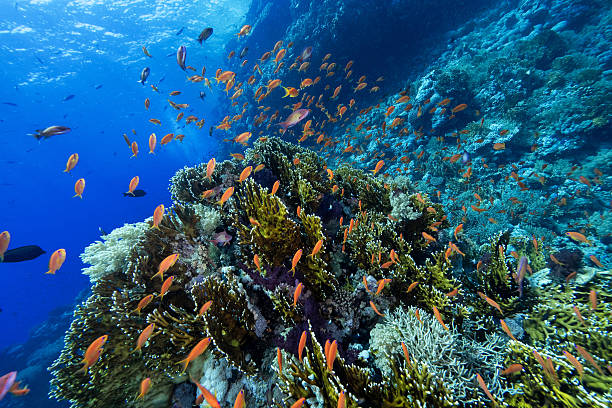
If successful, this effort could create the largest network of protected areas on Earth—covering millions of square kilometers of ocean and providing a safe haven for whales, sharks, sea turtles, and countless other marine species.
Source: BBC