
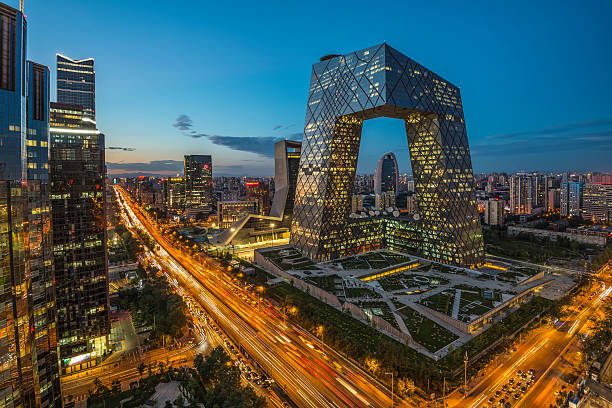
China travel and development is a story of striking contrasts: millennia-old temples and village life stand next to gleaming skylines, experimental urban districts and factories building the world’s future tech. For travellers, that mix creates one of the most compelling and practical opportunities on earth — you can hike a section of the Great Wall in the morning and take a 350 km/h high-speed train to a hyperconnected smart city by night. This guide explains the must-visit places, the developments that make China “ahead” in many infrastructure and tech categories (as of my latest verified knowledge to mid-2024), how those developments shape travel, and practical tips to plan an immersive, modern trip.
Why China is a travel destination unlike any other
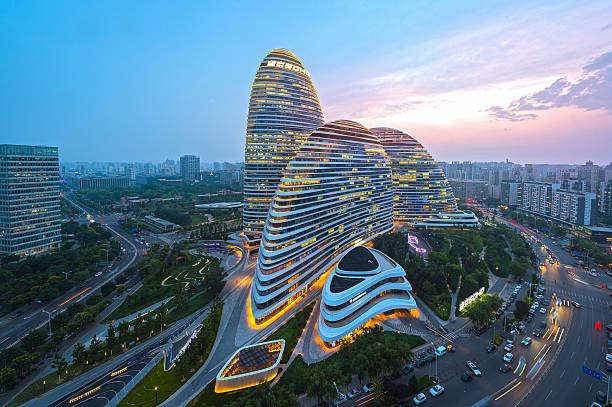
China’s scale matters. With hundreds of cities that each could be a country in population, and a sustained national investment into roads, airports, high-speed rail, renewable energy and digital infrastructure, everyday travel here feels fast and efficient. Major reasons China stands out:
• Infrastructure scale & speed: World’s largest high-speed rail network (tens of thousands of km by 2024), dozens of modern airports and city transit systems that are expanding rapidly.
• Digital everyday living: Mobile payments (Alipay, WeChat Pay) are the norm in cities — cashless convenience is real.
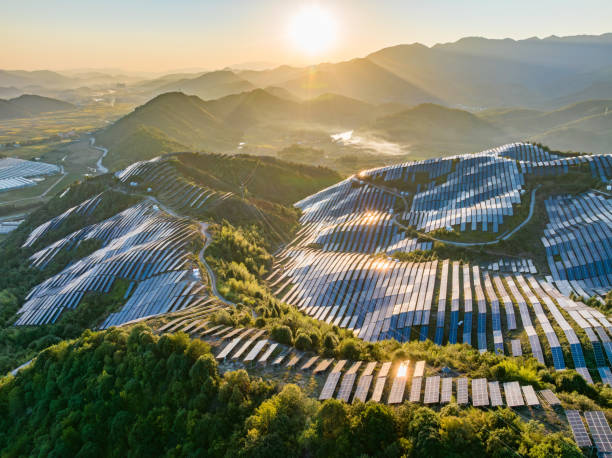
• Advanced manufacturing & EV leadership: Chinese companies lead in electric vehicles (BYD, NIO, Xpeng), battery production and solar panel manufacturing.
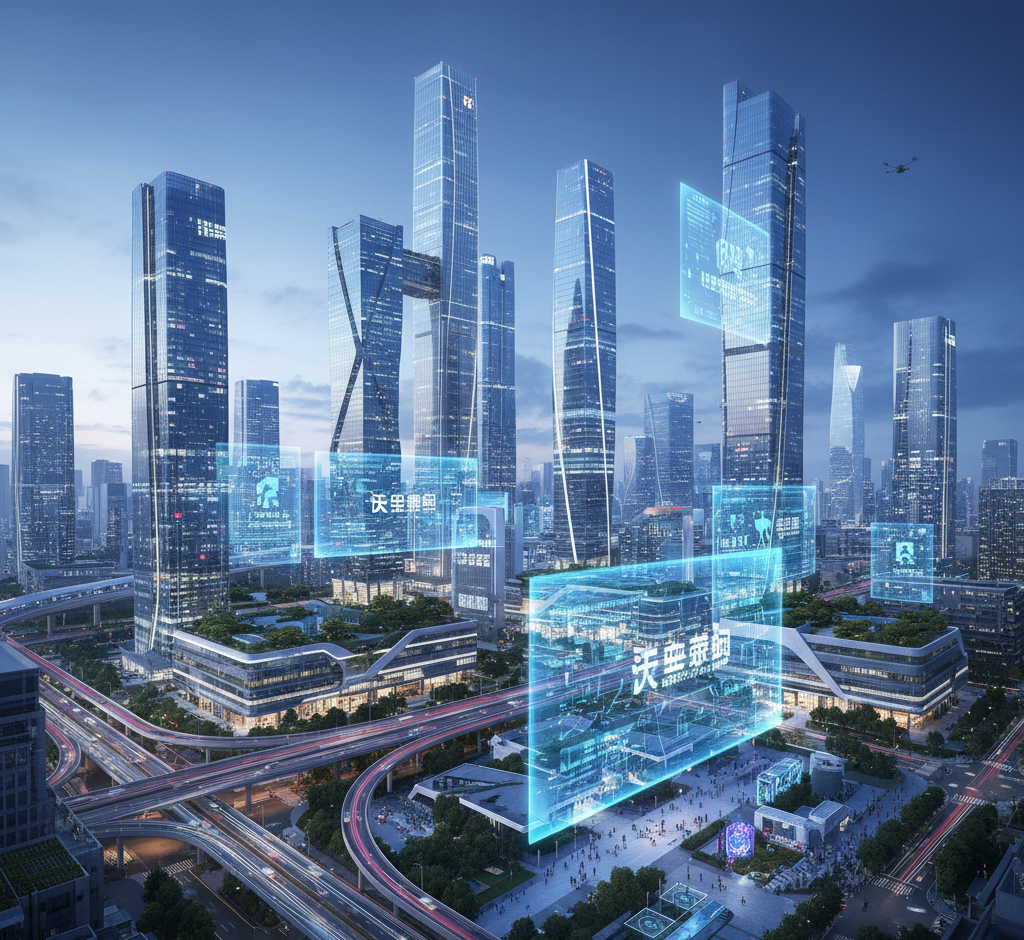
• City innovation: Hubs like Shenzhen, Hangzhou and Shanghai are testbeds for smart city tech, 5G coverage, logistics automation and fintech.
• Heritage & nature: From the Forbidden City and Terracotta Army to the karst peaks of Guilin and Tibetan plateau landscapes — variety is unmatched.
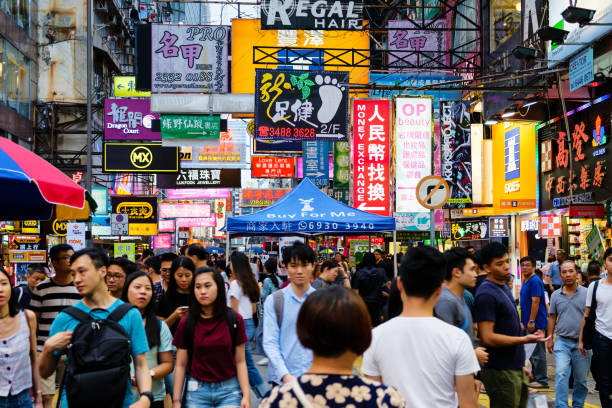
Top places to visit — classic sights + tech and development highlights
Beijing — ancient capital, modern policy hub
Visit: Forbidden City, Temple of Heaven, Summer Palace, sections of the Great Wall (Mutianyu or Jinshanling for fewer crowds). Development note: Beijing is a political and cultural nerve centre where new policy directions (including urban planning and tech regulation) are often announced.
Shanghai — skyline, art and fintech
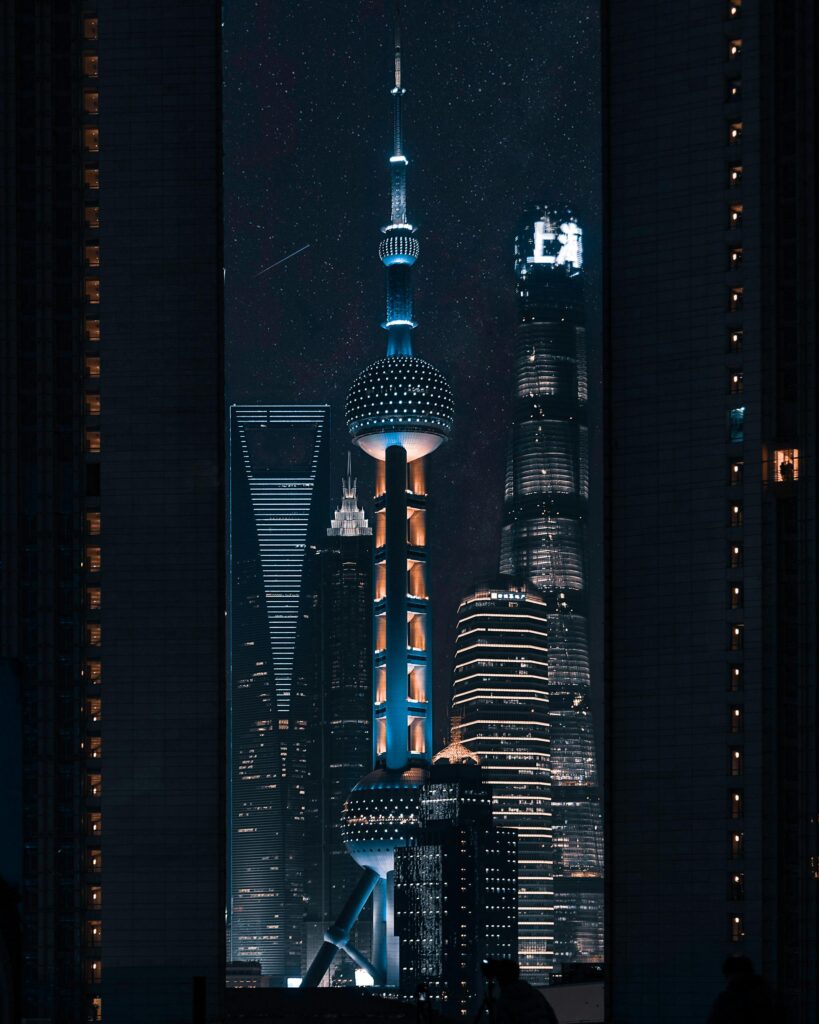
Visit: The Bund, Shanghai Tower, Yu Garden, M50 art district. Development note: Shanghai’s Pudong shows China’s rapid urban transformation; it’s also a fintech and commerce powerhouse.
Shenzhen — China’s Silicon Valley
Visit: Window of the World, OCT Loft, tech campuses (Huawei, Tencent nearby). Development note: Shenzhen pioneered rapid manufacturing, EV adoption, and is a national leader in 5G rollout and experimentation with urban mobility.
Hangzhou — e-commerce and smart city
Visit: West Lake, tea terraces, historic neighborhoods. Development note: Home to Alibaba; Hangzhou is an example of digital payments, smart logistics and AI integration in city services.
Xi’an — history and the Silk Road
Visit: Terracotta Army, ancient city wall, Muslim Quarter. Development note: Xi’an is also reviving as a logistics and high-tech city along modern Belt & Road routes.
Chengdu — culture, pandas and soft tech
Visit: Chengdu Research Base of Giant Panda Breeding, teahouses, Jinli Street. Development note: Chengdu’s startup scene and logistics hub for western China have been growing fast.
Guilin & Yangshuo — river landscapes
Visit: Li River cruise, karst scenery. Perfect for nature and photography, less about tech but a critical part of China’s tourism mix.
Zhangjiajie, Yunnan & Tibet — dramatic landscapes
Visit: Avatar-like pillars of Zhangjiajie, Lijiang/Yunnan’s cultural towns, Lhasa’s Potala Palace (permit rules apply). These regions show China’s investments in tourism infrastructure to open remote scenic regions.
Hainan Island — tropical resort & pilot economic zone
Visit: Sanya beaches, tropical resorts. Hainan has been positioned as a duty-free, travel-and-leisure pilot zone with fast-growing tourism infrastructure.
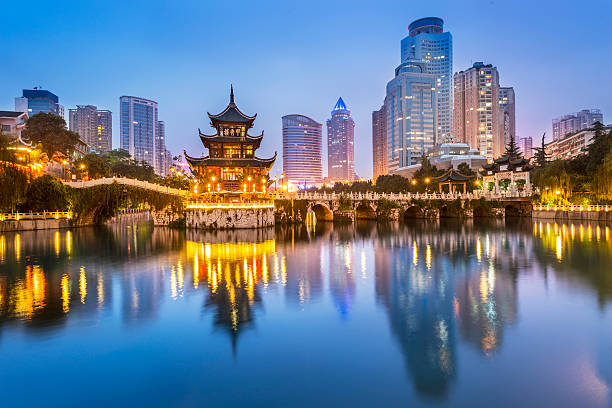
How development and tech change travel (practical impacts)
High-speed rail (HSR)
- Fast, frequent, often cheaper than flying for medium distances (200–1,200 km).
- Book through official apps or station kiosks; English service exists on major lines. HSR stations are modern, comfortable and often connected to city metros.
Urban mobility & EVs
- Shared e-bikes and scooters, ride-hailing apps (Didi), and heavy EV presence mean cleaner, quieter city transport. Charging network expansion makes EV rentals easier for regional travel.
Mobile payments & e-services
- Alipay and WeChat Pay dominate. For visitors, international QR-code solutions became more available (some banks and travel apps support guest payment flows), but carry a backup card/cash while arranging local mobile payment access.
5G, AI & smart services
- 5G hotspots, facial recognition payments and ticketing are common in big cities. AI-powered translation apps and smart kiosks help non-Mandarin speakers navigate faster.
Airport & logistics modernisation
- Many airports are new, with quick transit links to city centers. Luggage logistics and express shipping are highly efficient — handy if you buy goods to ship home.
Health & safety tech
- Digital health passes and streamlined medical appointment systems in major cities — useful for long trips or remote travel.
Future-looking strengths (why China appears “ahead” in some areas)
(phrased cautiously — based on trends and public data up to mid-2024)
• Scale of deployment: Rapid rollout of infrastructure (HSR, airports, 5G) gives China operational advantages — once a technology reaches maturity, adoption can be nationwide quickly.
• Manufacturing plus R&D link: Vertical integration from materials (batteries, solar) to finished EVs or panels accelerates iteration and cost reductions.
• Urban pilot zones: Cities routinely pilot autonomous vehicles, smart traffic control, and fintech services in controlled environments, speeding real-world learning.
• Government coordination: National plans (Five-Year Plans, tech priorities) align funding, regulation and procurement to scale promising sectors.
• Space & quantum investments: China’s large state investments in space (lunar exploration) and quantum communication labs have positioned it as one of the leaders in these niche, high-impact areas.
Responsible travel: cultural notes and etiquette
• Language: Mandarin is primary; learning basic phrases helps. Translation apps work well with 5G, but download offline packs for remote regions.
• Etiquette: Respect local customs, especially in religious or ethnic minority areas (Tibet, Xinjiang — note varying permit rules and political sensitivity).
• Permits & policies: Some areas (Tibet/Arunachal border regions) require permits. Visa rules change — always check the latest with official sources.
• Cashless norm: Many places prefer mobile payments; however, some rural vendors only accept cash. Have a small cash reserve.
• Connectivity: Foreign-brand social apps may be limited; consider setting up local SIM (read rules on VPNs if you rely on certain services).
Suggested itineraries (7–14 day combo options)
Fast Urban Tech Tour (7 days): Shanghai → Hangzhou → Shenzhen
- Highlights: Bund, Alibaba HQ visit or museum, Shenzhen tech district, local food scenes, metro/HSR convenience.
Classical + Scenic (10 days): Beijing → Xi’an → Guilin/Yangshuo
- Highlights: Great Wall, Forbidden City, Terracotta Army, Li River cruise and limestone peaks.
Nature & Culture Deep Dive (12–14 days): Chengdu → Yunnan (Dali/Lijiang) → Zhangjiajie
- Highlights: Pandas, ancient towns, Yunnan minority cultures, Zhangjiajie pillars, hiking.
Leisure & Beach + High-tech (10 days): Shenzhen → Hainan (Sanya)
- Highlights: City innovation, then tropical resort, duty-free shopping and watersports.
Practical planning & safety tips
• Best seasons: Spring (April–May) and autumn (Sept–Oct) for most regions. Summer for Hainan; winter for skiing in northern resorts.
• Visas: Check current visa rules well in advance; many travellers use e-visa or regular tourist visas depending on nationality.
• Health: Standard travel vaccines; altitude acclimatisation if heading to Tibet.
• Connectivity: Buy a local e-SIM or SIM at entry; download necessary apps before arrival.
• Money: Notify your bank if you plan to use cards; carry some RMB for rural areas.
Social & cultural highlights worth sharing
For social media and storytelling, try capturing these themes:
- “Then vs Now” images: ancient alleyways vs LED skyscrapers.
- Tech in daily life: QR-code tea shop purchases, smart metro gates, EV taxi rides.
- Slow travel snapshots: yak caravans in remote regions, tea picking in Zhejiang.
- Food series: regional rice noodles, hot pot, Cantonese dim sum, Sichuan street snacks.
Final note — sources & currency of facts
For the latest visa rules, seasonal events, or newly opened attractions, check official tourism sites, local municipal pages (e.g., Shanghai/Municipal tourism), airline/rail operator pages and trusted travel advisories before you travel.


nptlvq