The gaming industry is facing growing scrutiny as a consumer movement demanding stronger Game Ownership Rights gains international attention. What began as frustration over the shutdown of a popular online racing game has evolved into a wider debate about digital ownership, consumer protection, and the future of video game preservation.
Millions of players around the world purchase games believing they will retain access to them indefinitely. However, the rise of online-only and live-service games has created a situation where publishers can disable access by shutting down servers, effectively rendering some titles unplayable even after customers have paid for them.
The controversy has fueled support for the Stop Killing Games campaign, which is now drawing attention from policymakers, industry leaders, and gaming communities across the globe.
How the Game Ownership Rights Movement Started
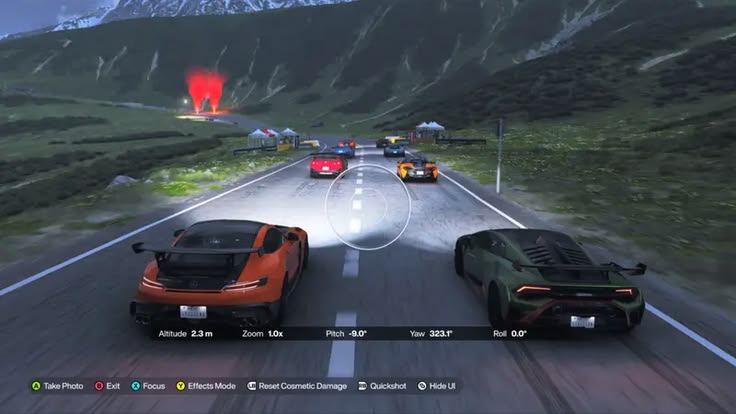
The current debate gained momentum after Ubisoft discontinued support for The Crew, an online-only racing game released in 2014. The game attracted millions of players during its lifetime and built a dedicated community over the course of a decade.
When the company shut down the servers in 2024, players lost access to the game entirely. Unlike traditional offline titles that remain playable after official support ends, The Crew relied on online infrastructure to function.
For many players, the issue was not simply that support had ended. The larger concern was that a game they had purchased could no longer be accessed in any form.
This event became the catalyst for the growing Game Ownership Rights campaign.
Stop Killing Games Gains Massive Support
The Stop Killing Games initiative was launched by content creator Ross Scott in 2024. The campaign argues that while publishers have the right to discontinue support for aging products, they should provide reasonable end-of-life solutions before shutting games down permanently.
Supporters are not demanding that companies operate servers forever. Instead, they propose alternatives such as offline modes, private server support, or software updates that allow games to remain functional after official support ends.
The campaign’s message resonated with players worldwide. By early 2026, supporters had collected nearly 1.3 million signatures on a petition submitted to European authorities, helping push the issue into mainstream political discussion.
The growing popularity of the movement demonstrates how strongly gamers feel about Game Ownership Rights and digital preservation.
Why Players Are Concerned
Many gamers compare purchasing a video game to buying other forms of entertainment or property.
Traditionally, consumers who bought a game expected to retain access to it regardless of whether the publisher continued supporting it. Online-only titles have challenged this assumption by linking access directly to active company-operated servers.
Critics argue that customers often do not fully understand the limitations associated with digital licenses at the time of purchase. While publishers typically disclose these conditions in user agreements, many consumers focus on the expectation that a purchased product will remain usable.
As a result, the debate has expanded beyond gaming communities and into broader conversations about digital consumer rights.
The Industry’s Position
Major gaming companies and industry organizations have defended their ability to discontinue online services.
Industry representatives argue that maintaining servers indefinitely can become financially unsustainable, especially for older games with declining player populations. They also note that technical, licensing, and security challenges may make long-term support impractical.
Publishers emphasize that customers generally purchase licenses to access games rather than permanent ownership of online services. This distinction forms the legal basis for many shutdown decisions.
Industry groups have also warned that mandatory preservation requirements could increase development costs and potentially discourage innovation in online gaming.
Despite these concerns, the conversation surrounding Game Ownership Rights continues to grow.
Live-Service Games Face Increasing Scrutiny
The issue has become more significant due to the rapid expansion of live-service gaming.
Many modern titles depend heavily on online connectivity, cloud services, and publisher-controlled infrastructure. While this model allows developers to deliver continuous updates and new content, it also creates long-term risks for consumers.
Recent examples have highlighted these concerns. Several multiplayer-focused games have been discontinued after failing to attract enough players, while others have been shut down despite maintaining dedicated communities.
These closures have strengthened arguments from gamers who believe publishers should provide alternative access options when ending support.
Could New Regulations Be Introduced?
The growing visibility of the Game Ownership Rights movement has attracted the attention of policymakers, particularly in Europe.
Consumer advocates argue that digital products should come with clearer ownership protections. Some believe legislation could eventually require publishers to implement preservation plans before shutting down online games.
Potential solutions include mandatory offline modes, community server support, or transparency requirements informing consumers about future risks before purchase.
Whether regulators will take action remains uncertain, but the issue has already sparked important discussions about the relationship between consumers and digital products.
The Future of Digital Game Ownership
The debate surrounding Game Ownership Rights represents a broader challenge facing the digital economy.
As entertainment, software, and services increasingly move online, questions about ownership, access, and preservation are becoming more important. The gaming industry now finds itself at the center of that discussion.
Supporters of reform argue that creative works should remain accessible whenever possible, while publishers maintain that flexibility is necessary to manage evolving technologies and business realities.
Whatever the outcome, the controversy has highlighted a growing gap between consumer expectations and the realities of digital licensing.
As governments, industry leaders, and players continue the conversation, the future of digital ownership may be shaped by decisions made in response to this rapidly expanding movement.
For more gaming and technology coverage, visit the innovation section of FFRNEWS Innovation. This report is based on coverage of the Stop Killing Games campaign, industry responses, consumer rights discussions, and developments surrounding digital ownership and online gaming preservation. Additional context was gathered from international technology and gaming reports.