Crimea Fuel Crisis has escalated sharply after Russian-backed authorities suspended public fuel sales across occupied Crimea, following a series of Ukrainian drone strikes targeting oil depots and logistics infrastructure. The unprecedented restrictions highlight the growing impact of Ukraine’s long-range campaign against Russia’s energy network, while intensifying pressure on Moscow’s military supply chains more than four years into the war.
Russian-installed Governor Sergey Aksyonov announced that fuel would no longer be sold to individuals or private businesses across Crimea. Instead, available supplies will be reserved exclusively for government agencies responsible for maintaining the peninsula’s “functioning and security.” The move comes after weeks of worsening shortages caused by repeated Ukrainian attacks on logistics routes connecting Crimea with mainland Russia.
The suspension marks the most significant fuel restriction imposed in occupied Crimea since Russia annexed the peninsula in 2014. Earlier measures had introduced rationing, limiting how much fuel residents could purchase, but authorities have now gone a step further by halting public sales altogether.
Ukraine Intensifies Campaign Against Russian Energy Infrastructure
The latest restrictions followed an overnight Ukrainian drone attack on an oil depot in Kerch, a strategically important city located near the Kerch Strait Bridge that links Crimea to Russia.
According to Russian-backed authorities, the attack killed four people and injured 28 others. Emergency crews responded throughout the night as fires broke out around the fuel storage facility.
Ukrainian President Volodymyr Zelensky described the operation as a “just response” to continued Russian missile and drone attacks against Ukrainian cities.
Zelensky also confirmed that Ukrainian forces targeted another logistics hub responsible for transporting oil in Russia’s Krasnodar region, directly across the Kerch Strait from Crimea. Local Russian officials reported one fatality after a passenger ferry was struck during the attacks.
In addition to energy infrastructure, Ukrainian forces claimed they also targeted military logistics facilities and radar installations, although exact locations were not disclosed.
Crimea Faces Growing Logistical Challenges
Crimea has become one of Russia’s most strategically important military hubs since the full-scale invasion of Ukraine began in 2022. Russian forces have used the peninsula as a launch point for missile strikes, troop deployments, naval operations, and logistics supporting combat across southern Ukraine.
Repeated Ukrainian attacks have increasingly disrupted these operations.
Fuel shortages have gradually worsened over recent months as Ukraine intensified strikes against supply routes, storage depots, railway networks, and transport facilities supporting Russian military logistics.
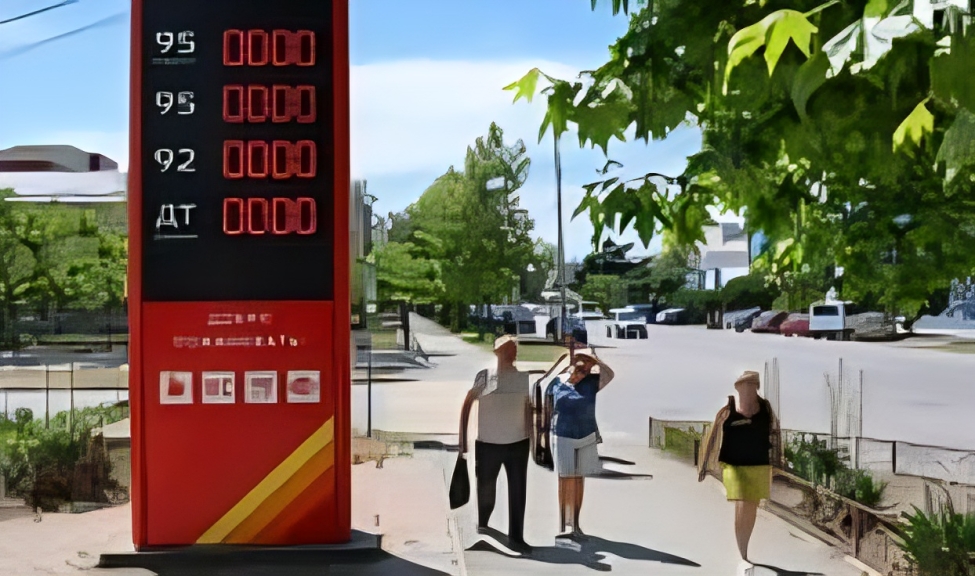
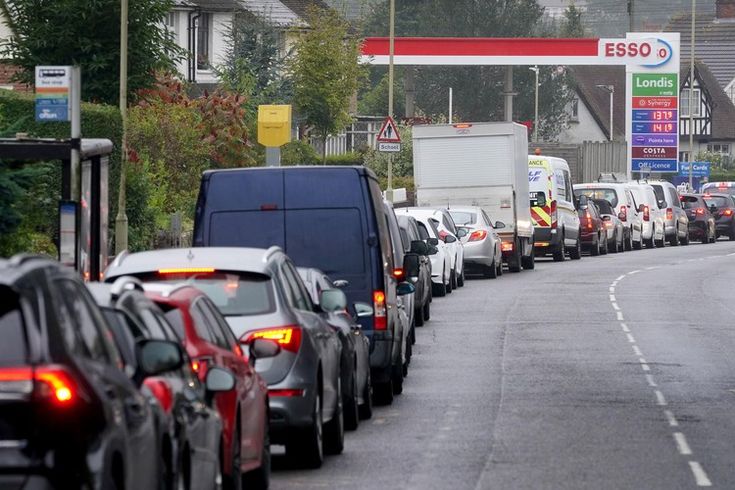
Residents have already experienced long queues at petrol stations throughout early June, with authorities introducing rationing to conserve remaining supplies.
Now, by suspending fuel sales altogether, officials acknowledge the growing difficulty of maintaining normal civilian life while prioritising military and government operations.
Authorities stated that further decisions regarding fuel distribution would be announced after evaluating the evolving security situation.
Strategic Importance of Crimea
Crimea remains one of the most valuable territories occupied by Russia.
Since its illegal annexation in 2014, Moscow has transformed the peninsula into a heavily militarised base housing naval fleets, missile systems, air defence units, and logistics centres supporting operations across the Black Sea and southern Ukraine.
The Kerch Strait serves as a critical supply corridor connecting Crimea to mainland Russia.
Disrupting fuel deliveries and logistics significantly complicates Russian military operations while increasing pressure on occupation authorities responsible for maintaining civilian services.
Military analysts believe Ukraine’s strategy aims not only to damage military infrastructure but also to expose vulnerabilities within Russia’s occupation administration.
Russia Claims Massive Drone Interceptions
Russia’s Ministry of Defence stated that its air defence systems intercepted or destroyed 239 Ukrainian drones overnight across multiple regions.
While Moscow continues to report large interception numbers, Ukrainian attacks have nevertheless succeeded in striking several high-value targets over recent months, including oil refineries, fuel depots, ammunition storage facilities, railway junctions, and military airfields.
Ukraine has increasingly relied on domestically developed long-range drones capable of travelling hundreds of kilometres into Russian-controlled territory.
The growing sophistication of these systems has allowed Kyiv to reach previously protected strategic facilities.
Zelensky Says Long-Range Strikes Are Working
President Zelensky defended Ukraine’s expanding campaign against Russian infrastructure, arguing that military pressure remains essential for achieving peace.
“Russia understands only strength, and our long-range strength is certainly working for peace,” Zelensky said in a statement posted on social media.
He also revealed that Russian attacks over the same weekend killed at least seven Ukrainian civilians and injured more than thirty others, including children.
Kyiv maintains that targeting military logistics and energy infrastructure is a legitimate strategy intended to reduce Russia’s ability to sustain offensive operations.
Russia Continues Offensive Despite Ukrainian Strikes
Despite increasing Ukrainian attacks inside Russian territory, Moscow has shown little indication of changing its military objectives.
President Vladimir Putin recently rejected Zelensky’s proposal for direct face-to-face negotiations aimed at ending the conflict.
Instead, Russia has continued missile and drone attacks across Ukraine while reinforcing defensive positions along occupied territories.
Military observers believe both sides are attempting to strengthen their bargaining positions before any future negotiations, making large-scale strikes increasingly common.
Impact on Civilians
The suspension of fuel sales is expected to have significant consequences for civilians living in occupied Crimea.
Private vehicles will be unable to refuel, businesses dependent on transportation may face operational difficulties, and tourism—traditionally an important part of Crimea’s economy—could experience further disruption during the peak summer season.
Reports from the peninsula already describe long queues at petrol stations before authorities implemented the complete suspension.
Government agencies responsible for emergency services, military logistics, healthcare, and public utilities will continue receiving fuel under the new restrictions.
Ukraine’s Expanding Defence Industry
Since the beginning of Russia’s full-scale invasion, Ukraine has rapidly expanded its domestic defence industry, particularly in drone technology.
Kyiv now produces increasingly sophisticated long-range unmanned aerial systems capable of striking military and industrial targets deep inside Russian territory.
These capabilities have transformed the battlefield by allowing Ukraine to target energy infrastructure, logistics networks, ammunition depots, and military facilities previously considered relatively secure.
Western allies have closely monitored Ukraine’s drone development, with several countries expressing interest in adopting similar technologies for future defence cooperation.
Regional Security Outlook
The latest escalation demonstrates that neither side is prepared to reduce military operations despite international calls for renewed diplomacy.
Ukraine continues focusing on disrupting Russia’s military logistics and economic infrastructure, while Russia maintains intensive missile and drone campaigns against Ukrainian cities.
As attacks extend deeper into both countries’ territories, the conflict increasingly affects civilian populations, transportation networks, energy supplies, and regional economic stability.
With negotiations remaining stalled and both governments determined to maintain military pressure, analysts warn that strategic infrastructure—including fuel depots, logistics centres, and transport hubs—will likely remain primary targets in the coming months.
The suspension of public fuel sales across occupied Crimea reflects the growing effectiveness of Ukraine’s campaign against Russian energy infrastructure and military logistics. By targeting oil depots, transport corridors, and supply routes, Kyiv aims to weaken Russia’s operational capabilities while increasing the economic cost of the war.
Meanwhile, Moscow continues to strengthen military operations despite mounting logistical challenges, ensuring that the conflict remains highly volatile. As both sides escalate long-range attacks, Crimea has emerged as one of the war’s most strategically significant battlegrounds, with its fuel shortages symbolising the broader struggle over control, supply lines, and military endurance.
Read more about the Russia-Ukraine conflict in the FFRNews Politics and follow continuing updates from BBC News and Reuters for comprehensive international coverage of the ongoing war and geopolitical developments.