A new UNICEF-backed report has placed the spotlight on Climate Risk Children, warning that nearly every child on Earth is now exposed to at least one major climate hazard. The findings paint a concerning picture of how climate change is increasingly affecting younger generations through extreme weather events, disrupted education, health risks, and economic instability.
According to the report, approximately 1.8 billion children face drought-related risks, while around 1.2 billion children are exposed to extreme heat conditions. Millions more are vulnerable to floods, storms, disease outbreaks, and other environmental challenges linked to a changing climate. The report also highlights that climate-related disruptions affected the education of 242 million children across 85 countries during 2024, demonstrating the far-reaching consequences of environmental instability.
As climate events become more frequent and severe, experts are warning that children are among the most vulnerable groups and will bear the greatest long-term impact if urgent action is not taken.
Why Climate Risk Children Is Becoming a Global Concern
The concept of Climate Risk Children refers to the growing exposure of children to environmental hazards caused by climate change. Unlike adults, children are more vulnerable to physical, psychological, and developmental impacts resulting from extreme weather events.
Heatwaves can increase health risks, including dehydration and respiratory illnesses. Floods can destroy homes, schools, and healthcare facilities. Droughts can threaten food security and access to clean water, increasing the risk of malnutrition and disease.
The UNICEF-backed report suggests that climate-related challenges are no longer isolated incidents but have become recurring threats affecting daily life for millions of young people around the world.
Drought Threatens Nearly 1.8 Billion Children
One of the report’s most striking findings is that approximately 1.8 billion children are exposed to drought conditions.
Droughts affect water supplies, agriculture, and food production. In many developing regions, families already struggling with poverty face additional challenges when water becomes scarce or crops fail.
Children living in drought-prone areas often experience food insecurity, reduced access to clean drinking water, and increased health complications. Prolonged drought conditions can also force families to migrate, disrupting education and social stability.
Experts warn that without stronger climate adaptation measures, drought risks may continue increasing in several regions across Africa, Asia, and Latin America.
Extreme Heat Impacts More Than 1.2 Billion Children
The report estimates that 1.2 billion children are exposed to extreme heat events, making rising temperatures one of the most widespread climate threats globally.
Heatwaves are becoming more frequent and intense in many parts of the world. Children are particularly susceptible to heat-related illnesses because their bodies regulate temperature differently than adults.
Extreme heat can also affect learning environments. Schools without adequate cooling systems may become unsafe during severe temperature spikes, reducing attendance and educational performance.
In urban areas, the heat island effect often worsens conditions, placing additional pressure on families and communities already facing environmental challenges.
Floods and Storms Continue to Disrupt Lives
Beyond drought and heat, millions of children are regularly exposed to flooding and severe storms.
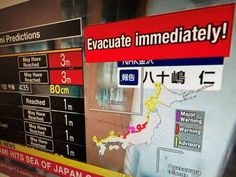
Climate experts have observed an increase in extreme rainfall events in many regions, leading to flash floods and infrastructure damage. Coastal communities are also facing greater risks from storm surges and rising sea levels.
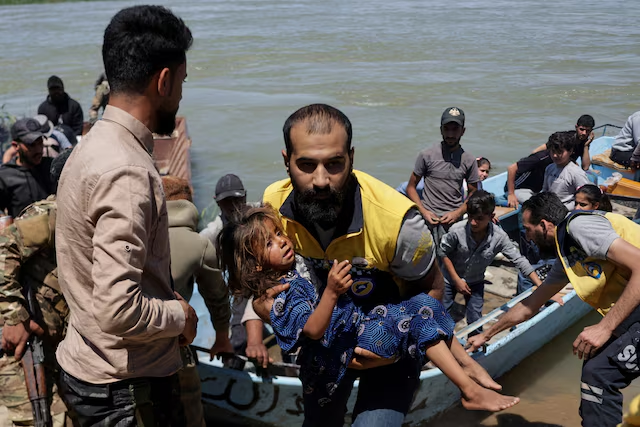
When floods strike, children often face displacement, interrupted schooling, limited healthcare access, and increased risks of waterborne diseases. Recovery can take months or even years, affecting long-term development and community stability.
The report emphasizes that climate adaptation efforts must prioritize child-focused protections to reduce these risks.
Education Disruptions Affect Millions
Perhaps one of the most concerning findings is the impact on education.
According to the report, climate-related events affected the education of 242 million children in 85 countries during 2024.
Schools are increasingly being damaged by floods, storms, wildfires, and extreme heat. In some cases, educational facilities are used as emergency shelters during disasters, further delaying learning.
Interrupted education can have lasting consequences. Students who miss significant amounts of school often face reduced academic achievement, lower future earnings potential, and greater social challenges.
Education experts stress that protecting schools from climate impacts must become a key priority for governments worldwide.
Health Risks Continue to Increase
Climate change is creating a wide range of health challenges for children.
Rising temperatures contribute to heat-related illnesses and respiratory problems. Flooding can increase the spread of infectious diseases. Poor air quality resulting from wildfires and pollution can further impact children’s health.
Children in low-income communities are often the most vulnerable because they have fewer resources to adapt to changing environmental conditions.
Health organizations are increasingly calling for climate-resilient healthcare systems that can continue serving communities during extreme weather events.
Economic Consequences for Future Generations
The effects of Climate Risk Children extend beyond immediate physical dangers.
Environmental disruptions can create long-term economic challenges for families and communities. Crop failures, infrastructure damage, and displacement often reduce household incomes while increasing living costs.
Children growing up in areas heavily affected by climate change may face fewer educational opportunities, reduced economic mobility, and greater uncertainty about their future.
Experts argue that investing in climate resilience today can help reduce future social and economic costs while protecting younger generations.
What the UN and UNICEF Are Calling For
The report urges governments, international organizations, and private institutions to increase investments in climate adaptation and child protection measures.
Key recommendations include:
- Strengthening disaster preparedness systems
- Improving climate-resilient infrastructure
- Expanding access to clean water and healthcare
- Protecting schools from environmental hazards
- Increasing support for vulnerable communities
UNICEF officials stress that children have contributed the least to climate change but are experiencing many of its most severe consequences.
Looking Ahead
The findings of the latest UNICEF-backed report serve as a powerful reminder that climate change is not only an environmental issue but also a humanitarian challenge.
With billions of children exposed to droughts, extreme heat, floods, storms, and other climate hazards, the urgency for action continues to grow. Policymakers, educators, healthcare providers, and environmental organizations are increasingly being called upon to develop solutions that prioritize the safety and well-being of future generations.
As climate-related risks continue to evolve, protecting children may become one of the most important measures of global climate progress in the years ahead.
Read more global environment coverage at FFR NEWS. This article is based on findings from a UNICEF-backed climate report and reporting by Reuters regarding children’s exposure to climate-related hazards worldwide.