
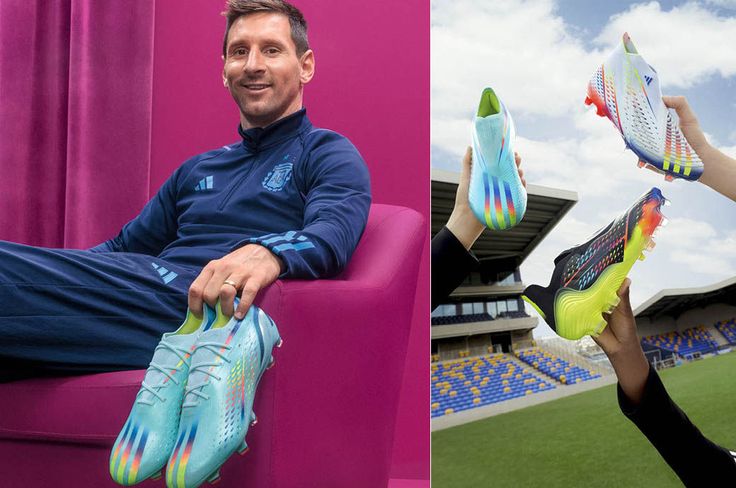
World Cup Brand Battle has become one of the biggest stories surrounding the FIFA World Cup 2026, with global sportswear giants Nike and Adidas competing for dominance through blockbuster advertising campaigns, athlete endorsements, official kits, retail activations, and digital engagement. While players battle on the pitch for football’s biggest prize, the two brands are fighting an equally intense contest off the field to capture the attention—and spending—of billions of football fans worldwide.
The FIFA World Cup has always been more than just a football tournament. It is also the world’s largest sporting marketing event, offering companies an unmatched opportunity to showcase their brands to a global audience. This year’s tournament has elevated that competition to unprecedented levels, with both Nike and Adidas investing tens of millions of dollars into campaigns designed to shape football culture far beyond the final whistle.
Nike launches blockbuster “Rip the Script” campaign
Nike entered the World Cup with its ambitious “Rip the Script” campaign, bringing together some of the world’s biggest sporting icons. The advertisement features football stars including Kylian Mbappé, Erling Haaland and Cristiano Ronaldo alongside basketball superstar LeBron James and several legendary figures from world football.
Rather than creating a traditional commercial, Nike produced a cinematic campaign that feels more like a Hollywood action film. The company designed the campaign to extend beyond television advertising into social media, digital storytelling, creator collaborations, and fan-generated content.
According to Nike Global Football Vice-President Camilo Andrade, the campaign was built to allow supporters to interact with and reinterpret the content rather than simply watch it. The company believes modern football culture thrives across platforms like YouTube, TikTok, Instagram Reels and Shorts, making digital participation just as important as television audiences.
The strategy appears to be paying off. Nike’s World Cup advertisement has already attracted tens of millions of YouTube views, significantly outperforming its rival in online engagement during the opening stages of the tournament.
Adidas responds with “Backyard Legends”
Adidas has answered with its own high-profile campaign titled “Backyard Legends,” featuring an equally impressive lineup of football icons.
The campaign stars Lionel Messi, Jude Bellingham, Lamine Yamal, Zinedine Zidane and even an AI-generated version of David Beckham alongside music superstar Bad Bunny.
Rather than focusing solely on elite football, Adidas celebrates the grassroots culture of the game by portraying local football pitches where legends are inspired. The campaign aims to connect everyday football experiences with the dreams of reaching the World Cup stage.
Reports suggest Adidas invested nearly £50 million into producing the advertisement, making it one of the most expensive football marketing campaigns ever created. Although the company has not officially confirmed the figure, industry experts believe both brands spent extraordinary sums ahead of FIFA 2026.
The battle extends far beyond advertisements
The rivalry between Nike and Adidas stretches well beyond television commercials.
Both companies sponsor national teams, provide official match apparel, manufacture football boots, and sign long-term endorsement deals with the world’s biggest football stars.
Adidas currently supplies kits for 14 national teams participating in the World Cup, while Nike outfits 12 countries. Puma follows closely with 11 national teams, making the sportswear market more competitive than ever before.
Among Adidas’ headline ambassadors are Lionel Messi, Jude Bellingham, Lamine Yamal and Raphinha, while Nike boasts global icons including Cristiano Ronaldo, Kylian Mbappé, Vinicius Junior, Virgil van Dijk and Marcus Rashford.
These endorsement partnerships represent investments worth hundreds of millions of dollars over several years, with Cristiano Ronaldo reportedly earning nearly $18 million annually through his long-term Nike agreement.
Adidas dominates the streets of New York
Although Nike has generated stronger digital engagement through YouTube, BBC Sport’s reporting from New York suggests Adidas currently enjoys greater visibility on the ground.
In Manhattan’s Soho district, Adidas has transformed its flagship store into a World Cup showcase, featuring tournament branding, national team shirts and interactive fan experiences.
Across the city, World Cup-themed Adidas pop-up stores, promotional installations and advertising displays have become increasingly visible.
Meanwhile, Nike’s flagship store has largely focused on celebrating the recent NBA success of the New York Knicks, resulting in a comparatively smaller football presence despite the World Cup taking place partly in the United States.
Marketing analysts believe Adidas has successfully blended football with fashion, making national team jerseys lifestyle products rather than simply sporting merchandise.
Football shirts become fashion statements
One of the defining trends of FIFA World Cup 2026 has been the growing connection between football and global fashion.
Adidas’ jersey designs, particularly those of Japan and Curaçao, have attracted widespread popularity beyond football supporters. These shirts have become symbols of cultural identity, streetwear and youth fashion.
Sports branding experts argue football shirts are no longer limited to matchdays. Instead, they have evolved into everyday fashion items embraced by younger audiences across major cities worldwide.
This crossover has helped Adidas strengthen its brand presence beyond traditional sports marketing.
Social media changes the marketing game
Experts believe the era of relying solely on television advertising has ended.
Today’s football supporters consume content across multiple platforms, sharing short video clips, memes, behind-the-scenes footage and creator content throughout the tournament.
Rather than measuring success solely through television ratings, companies now evaluate campaign performance using YouTube views, TikTok engagement, Instagram interactions and fan-generated content.
Nike’s strategy of encouraging supporters to remix and reinterpret campaign material reflects this digital-first approach.
Meanwhile, Adidas has focused on creating immersive experiences both online and in physical retail spaces, combining storytelling with community engagement.
World Cup remains sport’s biggest commercial stage
Despite the emergence of other major sporting events, industry experts agree that the FIFA World Cup remains unmatched in global commercial influence.
Billions of viewers follow the tournament across television, streaming services and digital platforms, providing sponsors with unparalleled worldwide exposure.
For both Nike and Adidas, the World Cup represents far more than a football tournament—it is a rare opportunity to strengthen brand loyalty, drive merchandise sales, expand global market share and shape football culture for years to come.
Although it is still too early to determine which company will ultimately benefit the most financially, the opening weeks of FIFA World Cup 2026 suggest both brands have successfully captured worldwide attention through innovative marketing and star-powered campaigns.
With the knockout rounds approaching and global audiences continuing to grow, the commercial battle between Nike and Adidas is likely to remain one of the tournament’s defining stories alongside the action unfolding on the pitch.
For further coverage of global sports business and FIFA World Cup developments, read more in the FFRNews Sports.. Additional reporting and analysis are available from BBC Sport and Bloomberg, which continue to provide comprehensive coverage of the Nike-Adidas marketing rivalry throughout FIFA World Cup 2026.