
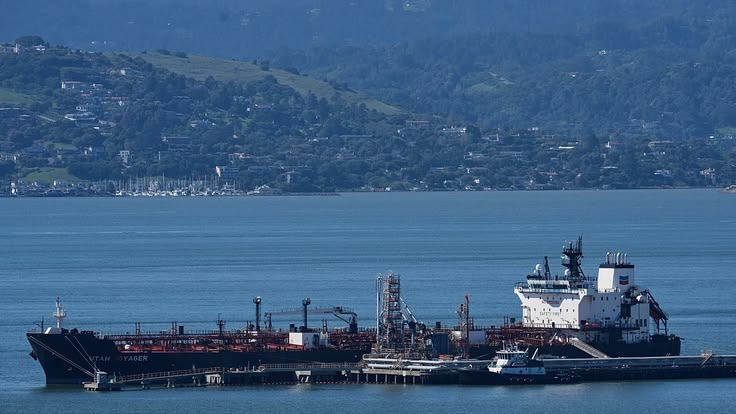
Global energy markets remain under intense pressure as Hormuz Oil Volatility continues affecting oil prices, shipping activity, and investor confidence worldwide. Ongoing negotiations between the United States and Iran have created uncertainty across financial markets as traders closely monitor developments involving the strategically critical Strait of Hormuz.
The waterway, which carries nearly one-fifth of the world’s oil supply, has become the center of global economic concerns following months of conflict involving Iran, the United States, and Israel. Although diplomatic progress has recently emerged, analysts warn that the oil market remains highly unstable because final agreements have not yet been secured.
Recent fluctuations in crude prices highlight how sensitive global markets remain to every political and military update connected to the Gulf region.
Oil Prices Swing Sharply During Negotiations
Oil prices have experienced major swings throughout recent trading sessions as investors reacted to conflicting signals from Washington and Tehran. Brent crude and West Texas Intermediate futures have repeatedly surged and fallen based on reports about ceasefires, sanctions, and possible reopening plans for the Strait of Hormuz.
Market experts say traders are struggling to predict whether diplomatic negotiations will succeed or collapse. Even positive developments have failed to fully calm markets because investors remain concerned about how quickly shipping operations can return to normal.
Several analysts believe the current volatility could continue for months even if a political agreement is reached.
Strait of Hormuz Remains the Biggest Risk
The Strait of Hormuz remains one of the world’s most important energy routes because massive quantities of oil and liquefied natural gas pass through it daily. Any disruption immediately impacts global energy prices.
During the recent crisis, shipping restrictions and military tensions forced several companies to reroute cargo operations while insurance costs for tankers increased sharply. The uncertainty created fears of supply shortages across Asia, Europe, and other energy-dependent regions.
Analysts say that although negotiations are progressing, full recovery of normal shipping activity may take significant time because infrastructure, security systems, and trade confidence have all been affected.
Trump Claims Agreement Is Close
US President Donald Trump recently stated that a peace agreement with Iran had been “largely negotiated,” creating temporary optimism in global markets.
According to reports, discussions include plans to reopen the Strait of Hormuz and gradually reduce regional hostilities. The proposed framework may also involve phased sanctions relief and future negotiations surrounding Iran’s nuclear programme.
However, uncertainty still remains because officials from both sides continue debating several unresolved issues related to security guarantees and regional military activity.
Investors Fear Inflation and Economic Slowdown
Economists warn that prolonged Hormuz Oil Volatility could worsen inflation across major economies. Rising oil prices increase transportation, manufacturing, and energy costs, eventually affecting consumers worldwide.
Countries heavily dependent on imported fuel are especially vulnerable. Several governments have already started preparing emergency energy measures while central banks continue monitoring inflation risks closely.
Financial markets have also shown signs of nervousness, with investors shifting funds toward safer assets whenever tensions rise in the Middle East.
Asian Economies Face Strongest Pressure
Asian economies are among the most exposed to instability in the Strait of Hormuz because countries such as China, India, Japan, and South Korea rely heavily on Gulf energy imports.
Any extended disruption could threaten industrial production, transportation systems, and electricity supply chains across the region. Analysts say Asian governments may increasingly look for alternative energy suppliers and strategic oil reserves if instability continues.
Shipping companies operating across Asian trade routes are also facing higher operating expenses because of security concerns and rerouting measures.

Markets React to Every Diplomatic Signal
The oil market is currently reacting almost instantly to diplomatic statements from Washington, Tehran, and regional mediators.
When negotiations appear positive, prices often decline because investors expect improved oil supply stability. However, reports of military threats or disagreements quickly trigger renewed price surges.
This pattern reflects the fragile state of market confidence and the enormous influence geopolitical developments now have over the global economy.
Energy Crisis Could Continue Beyond 2026
Even if a formal agreement is finalized soon, experts believe the global energy market may continue experiencing instability throughout the rest of 2026.
Years of geopolitical tensions, infrastructure risks, and supply-chain disruptions have weakened confidence among energy traders and governments alike. Some analysts predict oil prices could remain elevated for an extended period if shipping traffic does not fully normalize.
There are also concerns that future military incidents in the Gulf could quickly reverse diplomatic gains.
Global Attention Remains Focused on Gulf Region
The ongoing Hormuz Oil Volatility crisis has become one of the most important economic stories of the year because of its direct impact on inflation, energy security, and international trade.
Governments, investors, and financial institutions are closely monitoring negotiations between the US and Iran in hopes that a stable agreement can prevent further disruptions.
For now, markets remain cautious as diplomats continue working toward a framework capable of stabilizing one of the world’s most important energy corridors.
For more global finance and economic coverage, visit FFRNEWS Business. External information and market developments referenced in this article were sourced from Reuters Business, The Guardian Business.

Wish you happiness