
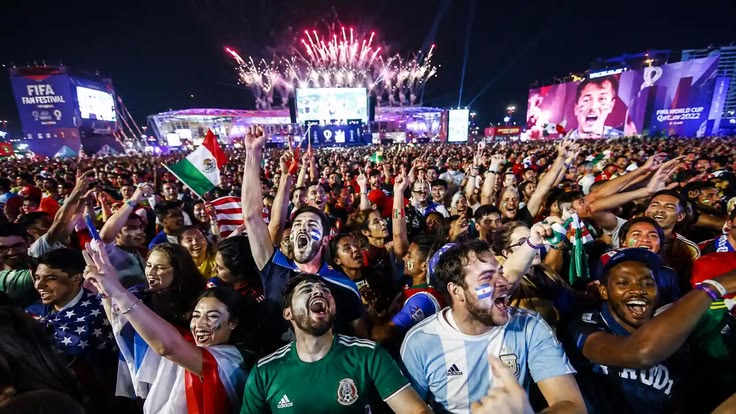
The governing body of world football has confirmed a series of important FIFA Rule Changes that will be implemented during the 2026 FIFA World Cup. The adjustments are designed to improve match flow, increase transparency in decision-making, and reduce time-wasting incidents that have frustrated players, coaches, and supporters in recent years.
As the tournament approaches, football federations, referees, and teams are preparing to adapt to the updated regulations that could significantly influence match outcomes. The FIFA Rule Changes are expected to be among the most discussed topics leading into the biggest football event in history.
FIFA Rule Changes Expand VAR Review Authority
One of the most notable FIFA Rule Changes involves the expansion of Video Assistant Referee (VAR) reviews.
Under the updated system, referees will have greater flexibility to review specific corner-kick situations and other incidents that may directly affect scoring opportunities. FIFA believes this change will help reduce controversial decisions and improve fairness across matches.
VAR has become a central part of modern football, but criticism has often focused on limitations regarding certain match incidents. The latest update aims to address those concerns while maintaining the speed and efficiency of the review process.
Tournament officials hope the expanded review system will increase confidence in officiating decisions and provide greater consistency across all World Cup matches.
Stricter Red-Card Offences Introduced
Another key element of the FIFA Rule Changes is the introduction of stricter disciplinary measures for serious misconduct.
Players who engage in aggressive confrontations, abusive behaviour, or excessive protests toward match officials may now face stronger sanctions, including direct red cards in situations that previously resulted in yellow-card warnings.
FIFA officials have repeatedly emphasized the importance of protecting referees and maintaining respect on the field. These new disciplinary standards are intended to discourage unsporting conduct and create a more professional environment during matches.
Teams participating in World Cup 2026 will need to educate players carefully regarding the updated misconduct guidelines to avoid costly suspensions.
Faster Restarts Expected to Improve Match Flow
The FIFA Rule Changes also focus heavily on reducing interruptions during games.
Goal kicks and throw-ins will now be subject to tighter timing expectations. Players delaying restarts intentionally may face warnings or disciplinary action.
Football authorities believe these measures will increase the amount of active playing time and create a more entertaining experience for supporters.
In recent years, concerns have grown regarding excessive delays during matches. FIFA hopes the faster restart regulations will ensure a smoother and more continuous style of play throughout the tournament.
Coaches may also need to adjust tactical approaches, particularly in situations where teams previously relied on slowing the pace of the game to protect leads.
New Time-Management Rules Target Delays
Time-wasting has become a frequent source of frustration across major competitions.
To address the issue, FIFA Rule Changes include stricter monitoring of delays involving substitutions, goalkeeper possession, injury stoppages, and restart procedures.
Referees will receive additional guidance on identifying deliberate attempts to consume time unnecessarily. More accurate tracking of stoppages is also expected to result in fairer added-time calculations.
The objective is simple: maximize active football while minimizing avoidable interruptions.
Tournament organizers believe supporters will benefit from more action-packed matches and a stronger competitive balance.
Impact on Teams and Players
The FIFA Rule Changes will require teams to adapt both strategically and mentally.
Players must exercise greater discipline when interacting with referees, while coaching staffs will need to prepare for faster match tempos and more efficient transitions.
Defensive teams that previously depended on slowing games could face new challenges under the stricter time-management framework. Meanwhile, attacking teams may benefit from increased playing time and quicker restarts.
Referees will also undergo additional training to ensure consistent application of the new regulations across all World Cup venues.
Why FIFA Introduced These Changes
According to football officials, the primary goals behind the FIFA Rule Changes are:
- Improve fairness and decision accuracy.
- Reduce controversial officiating incidents.
- Increase active playing time.
- Minimize deliberate delays.
- Enhance the overall spectator experience.
The organization believes modern football must continue evolving while preserving the sport’s competitive integrity.
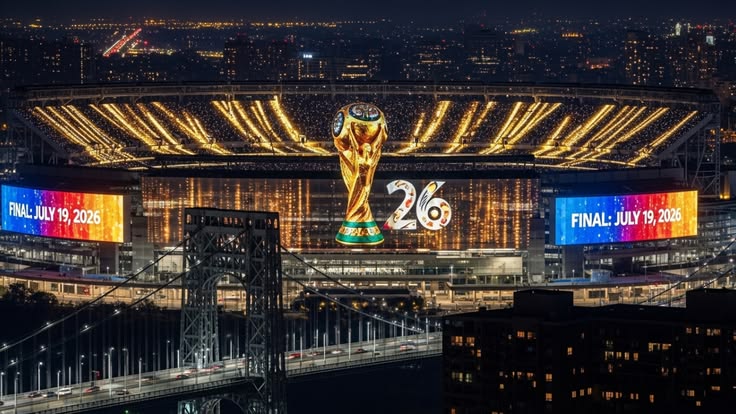
As the 2026 FIFA World Cup approaches, these adjustments represent one of the most significant updates to tournament regulations in recent years.
What Fans Can Expect at World Cup 2026
Supporters can expect faster-paced matches, more active gameplay, and increased referee intervention in situations involving misconduct or controversial decisions.
While some debate is inevitable whenever football rules change, FIFA officials argue that the new framework will create a fairer and more entertaining tournament.
The success of the FIFA Rule Changes will ultimately be judged during World Cup 2026, where the world’s biggest football stars will compete under a modernized set of regulations designed to improve the game at every level.
For more global sports coverage, visit the sports section of FFRNEWS. This report is based on recent FIFA regulatory updates and international football coverage. Additional context was gathered from major global sports media reports tracking preparations for the 2026 FIFA World Cup.