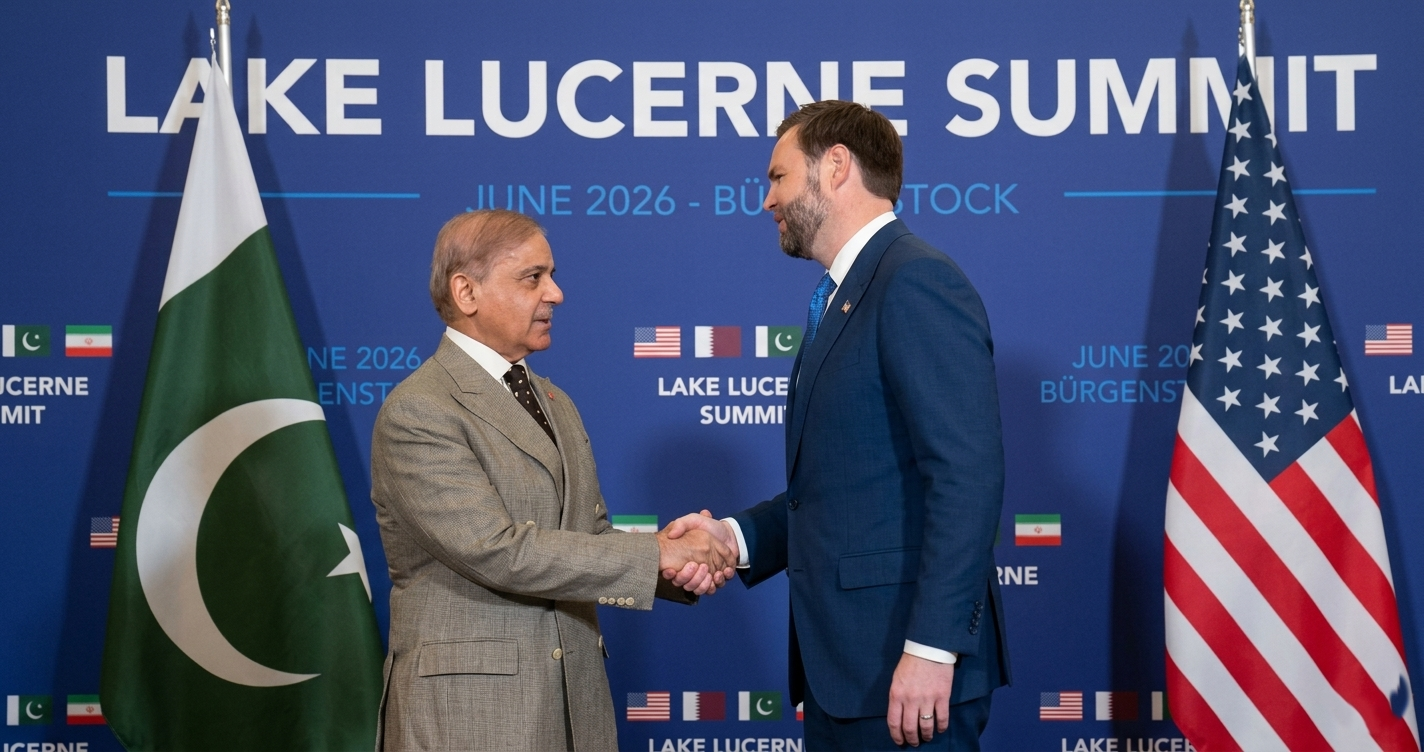
The highly anticipated Switzerland Peace Talks between the United States and Iran officially began on Sunday, marking a significant step toward ending months of conflict and diplomatic tensions that have shaken the Middle East and global energy markets.
Senior officials from both countries arrived at the Bürgenstock resort in Switzerland to launch direct negotiations following the signing of an initial peace agreement last week. The talks are expected to focus on Iran’s nuclear programme, sanctions relief, regional security, and the implementation of commitments outlined in the preliminary deal.
The negotiations represent one of the most important diplomatic developments of 2026, with governments, investors, and international organizations closely monitoring the outcome.
Switzerland Peace Talks Follow Initial Agreement
The current round of negotiations follows an initial agreement signed earlier this week by the United States and Iran.
The framework agreement included an immediate halt to hostilities and established a commitment by both sides to negotiate a final settlement within 60 days. The deal also called for the reopening of the Strait of Hormuz, one of the world’s most strategically important shipping routes, and an end to military confrontations linked to the broader conflict.
While the preliminary agreement reduced immediate tensions, many key issues remain unresolved. The Switzerland Peace Talks are designed to address those outstanding concerns and build a pathway toward a lasting settlement.
Diplomats involved in the process have described the negotiations as complex but necessary for long-term regional stability.
High-Level Delegations Arrive in Switzerland
The talks have attracted some of the most influential political figures involved in the conflict.
The American delegation includes Vice President JD Vance, presidential adviser Jared Kushner, and special envoy Steve Witkoff. Their participation demonstrates Washington’s commitment to securing a comprehensive agreement that addresses security concerns while reducing the risk of renewed conflict.
Iran is represented by Foreign Minister Abbas Araghchi and Parliamentary Speaker Mohammad Bagher Ghalibaf. Iranian officials have emphasized that they expect all commitments made during the initial agreement to be honored as negotiations proceed.
The presence of senior officials from both countries highlights the importance attached to the Switzerland Peace Talks and the potential consequences of their outcome.
Pakistan Continues Key Mediation Role
Pakistan remains a central player in the diplomatic process.
Prime Minister Shehbaz Sharif and Field Marshal Asim Munir joined the discussions in Switzerland after Islamabad successfully facilitated earlier negotiations between Washington and Tehran.
Pakistan’s role as a mediator has been widely recognized by international observers. By maintaining communication channels with both sides throughout the conflict, Islamabad helped create conditions that eventually led to direct negotiations.
Many analysts believe Pakistan’s continued involvement could prove essential in resolving disagreements that emerge during the current phase of talks.
The mediation effort has also elevated Pakistan’s diplomatic profile on the international stage.
Iran’s Nuclear Programme Remains the Biggest Challenge
Despite progress toward peace, Iran’s nuclear programme remains the most sensitive issue on the negotiating table.
The United States has repeatedly stated that preventing Iran from acquiring nuclear weapons remains a primary objective. American officials hope the Switzerland Peace Talks will produce concrete commitments regarding enrichment activities, monitoring mechanisms, and future nuclear development.
Iran, meanwhile, insists that its nuclear activities are intended for peaceful purposes and argues that its national sovereignty must be respected.
Negotiators are expected to spend considerable time discussing verification measures and international oversight arrangements.
Experts believe that the success or failure of the talks may ultimately depend on whether both sides can find common ground on this issue.
Sanctions Relief and Economic Recovery
Economic issues are also expected to dominate discussions.
The preliminary agreement includes plans for the United States to terminate various sanctions imposed on Iran. In addition, the framework outlines a proposed reconstruction package valued at approximately $300 billion.
Iranian officials view sanctions relief as a critical component of any final agreement. Years of economic restrictions have affected investment, trade, and economic growth throughout the country.
For Washington, sanctions relief is being considered as part of a broader diplomatic package that encourages compliance with future commitments.
If implemented successfully, these measures could significantly improve Iran’s economic outlook while contributing to regional stability.

Strait of Hormuz Remains Under Global Spotlight
One of the most closely watched aspects of the Switzerland Peace Talks involves the Strait of Hormuz.
The strategic waterway serves as a major route for global oil and gas shipments. Disruptions in the region have previously triggered market volatility and concerns about global energy supplies.
Although the preliminary agreement called for reopening the route, Iran announced restrictions after continued clashes involving Hezbollah and Israel. Despite these concerns, shipping data indicates that vessels have continued to pass through the strait.
Energy markets remain highly sensitive to developments surrounding Hormuz, making this issue particularly important for international stakeholders.
Any breakthrough regarding maritime security could help stabilize global energy prices and improve confidence among investors.
Ongoing Lebanon Conflict Complicates Negotiations
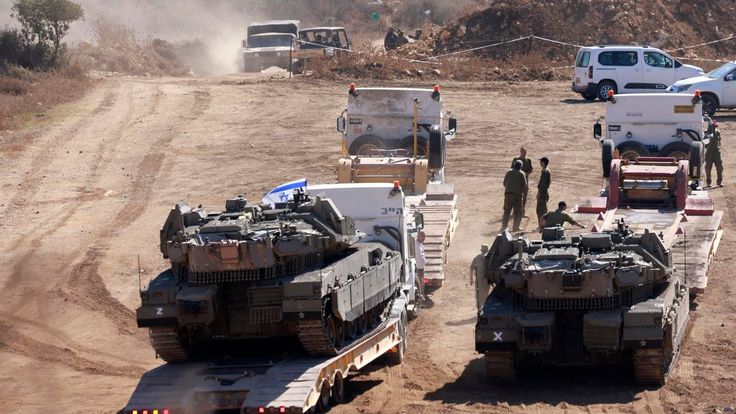
While the United States and Iran are pursuing diplomacy, fighting has continued between Israel and Hezbollah in Lebanon.
The two sides recently agreed to a ceasefire, but violations and clashes have continued in several areas. Israel has maintained that its military campaign against Hezbollah is separate from its conflict with Iran.
The continued violence presents a challenge for negotiators seeking broader regional stability.
American and Iranian officials are expected to discuss Lebanon extensively during the Switzerland Peace Talks, as both sides recognize that unresolved tensions could undermine progress achieved elsewhere.
Reducing violence in Lebanon may become a crucial component of any final agreement.
International Community Watches Closely
Governments across Europe, Asia, and the Middle East are closely following the negotiations.
A successful outcome could reduce geopolitical tensions, strengthen energy security, and create opportunities for broader diplomatic engagement throughout the region.
Failure, however, could increase uncertainty and raise the possibility of renewed conflict.
For now, diplomats remain cautiously optimistic. Both sides have indicated a willingness to continue discussions, even while acknowledging that difficult issues remain unresolved.
Looking Ahead
The launch of the Switzerland Peace Talks represents a significant milestone in efforts to end one of the most consequential conflicts of recent years.
Although major challenges remain, including Iran’s nuclear programme, sanctions relief, maritime security, and regional stability, the willingness of both sides to engage directly offers hope for progress.
Over the coming weeks, negotiators will attempt to transform the preliminary agreement into a comprehensive and lasting peace framework. The outcome will not only shape US-Iran relations but could also influence the future security and economic landscape of the broader Middle East.
Read more international coverage at FFR NEWS. This report is based on BBC reporting, official statements from US and Iranian officials, and developments surrounding ongoing diplomatic negotiations in Switzerland.