
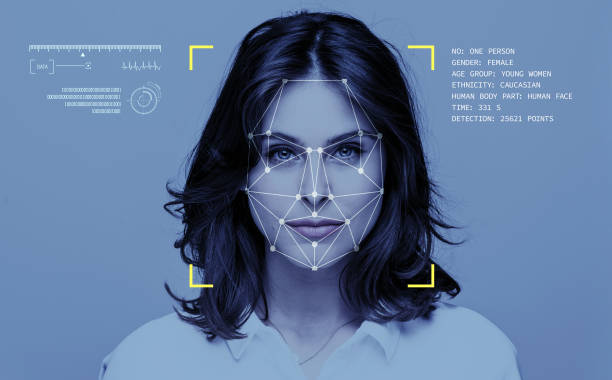
Digital ID UK is set to become a legal requirement for anyone working in the country, following Prime Minister Keir Starmer’s announcement at the Global Progressive Action Conference in London. The new scheme, which Labour expects to roll out fully by 2029, is designed to tighten border control, combat illegal migration, and modernize public services.
The move marks one of the most significant policy shifts in recent decades, reigniting debates over surveillance, civil liberties, and immigration. While Starmer has pitched digital identity as a tool to both protect workers and modernize the state, critics argue it risks eroding freedoms and could fail to stop illegal migration.
What is the Digital ID UK Scheme?
The Digital ID UK system will serve as a digital identity card, stored on mobile phones in a similar way to payment apps or the NHS app. Each ID will contain essential personal information such as:
- Full name
- Date of birth
- Nationality or residency status
- A digital photograph
The government has suggested that additional details, such as home addresses, may also be included after further consultation.
Unlike traditional ID cards, the scheme will be fully digital. Individuals will not be required to carry physical cards, but employers will be obligated to verify workers’ right-to-work status through the digital ID system.
Why is the UK Introducing Digital IDs?
Starmer framed the policy as a response to illegal migration and exploitation of undocumented workers. “It is not compassionate left-wing politics to rely on labour that exploits foreign workers and undercuts fair wages,” he said, stressing that every nation must know who is in the country.
According to the government:
- More than 50,000 migrants have crossed the English Channel in small boats since Labour came to power.
- Employers using fake documents or hiring undocumented workers have contributed to an underground labour market.
- Digital IDs will make it easier to verify identities, reducing reliance on fraudulent paperwork.
Darren Jones, the chief secretary to the Treasury, described the initiative as the “bedrock of the modern state”, predicting it would enable future reforms in public services.
Benefits of Digital ID UK
Supporters of the scheme argue it will bring several advantages:
- Tackling Illegal Migration – By requiring employers to verify digital IDs, it becomes harder for undocumented migrants to work illegally.
- Efficiency in Public Services – IDs could be used to streamline applications for driving licences, welfare, childcare, and tax services.
- Convenience for Citizens – Instead of carrying passports or utility bills, individuals can prove their identity instantly via smartphone.
- Consistency in Verification – Employers will have one standardized method to check identity, reducing fraud.
Former Labour Home Secretary Lord Blunkett backed the idea, saying it was long overdue. “We are living in an era of conviction politics, and this is an opportunity for coherent reform,” he said.

Criticism and Opposition
Despite government claims, the policy has drawn sharp backlash from opposition parties, campaign groups, and parts of the public.
- Conservative leader Kemi Badenoch dismissed the plan as ineffective, saying it would “do nothing to stop the boats” while adding unnecessary bureaucracy.
- Liberal Democrat leader Sir Ed Davey promised to “fight tooth and nail” against the proposal, arguing it would raise costs without fixing migration issues.
- Civil liberties groups such as Liberty and Big Brother Watch condemned the scheme as a step towards mass surveillance, warning it could make Britain “less free.”
- A petition against digital ID has already gathered over one million signatures, reflecting public unease about privacy and data security.
Concerns also extend to the risk of data breaches. Critics fear that concentrating sensitive personal information in one central database could make the system a target for hackers.
Public Reaction
Public opinion remains deeply divided.
- Some young citizens interviewed by BBC Newsbeat welcomed the idea for its practicality, noting that carrying IDs on phones could simplify daily life, such as proving age on nights out.
- Others raised concerns about exclusion, especially for those without smartphones, consistent internet access, or stable housing.
- Privacy advocates emphasized fears of government overreach, warning that the scheme could evolve into a tool of surveillance rather than security.
Comparisons to Past ID Card Plans
The idea of compulsory IDs in the UK is not new. Former Prime Minister Tony Blair pushed for a national ID card system in the early 2000s, but the scheme was scrapped in 2010 under the Conservative–Liberal Democrat coalition due to cost and civil liberty concerns.
Starmer argues that times have changed. “We all carry more digital ID now than we did 20 years ago,” he said, suggesting that public resistance may have softened in an age where smartphones are already used for banking, healthcare, and online verification.
When Will Digital ID UK Become Law?
- A public consultation will launch later this year, lasting three months.
- Legislation is expected to be introduced to Parliament in early 2026.
- The scheme will be phased in, with full mandatory compliance by the end of the current Parliament (2029 at the latest).
The government insists there will be exceptions for those unable to use smartphones, though details remain unclear.
Digital ID UK and the Political Landscape
Starmer’s announcement comes amid rising pressure from Reform UK, led by Nigel Farage, which has been polling strongly in recent months. Reform criticized the plan as a “cynical ploy” designed to look tough on immigration while continuing “Tory legacy” policies.
The Labour leader appears to be positioning digital ID as a centrepiece of his election strategy, framing the next contest as an “open fight” between Labour and Reform UK.
The introduction of Digital ID UK marks a pivotal moment in British politics, blending promises of stronger border control with the ambition to modernize public services. Supporters hail it as a necessary step to combat illegal migration and bring efficiency, while opponents warn it could erode civil liberties and fail to address root problems.
As consultations begin and legislation approaches, the future of digital identity in the UK is set to become one of the most heated debates of the decade.
Source: BBC