A devastating India political rally crush in Tamil Nadu has left at least 39 people dead, including women and children, and more than 50 injured. The tragedy occurred on Saturday evening in Karur district, where tens of thousands of supporters had gathered for a campaign event led by actor-turned-politician Vijay.
The incident has sent shockwaves across India, raising questions about crowd control, political responsibility, and the recurring dangers of mass gatherings in the country.
What happened at the rally?
According to eyewitnesses and local reports, the rally had been delayed for several hours, leaving large crowds packed tightly in sweltering conditions. When gates were finally opened, thousands surged forward, causing a deadly stampede.
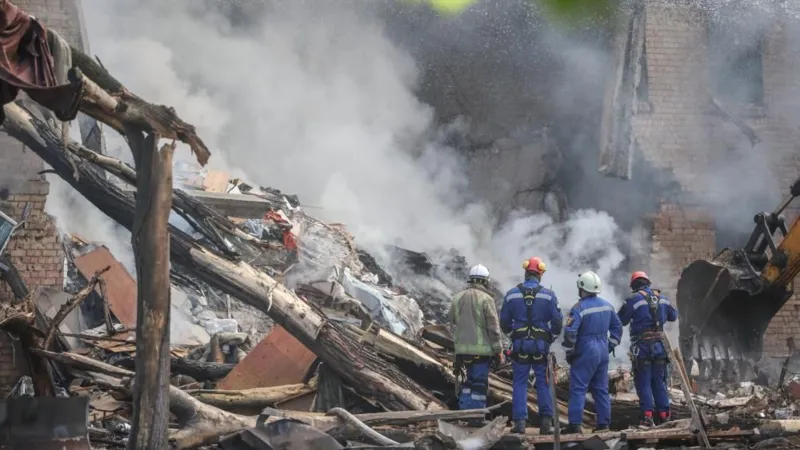
Television footage and images from the site showed abandoned shoes, slippers, and water bottles scattered across the ground as emergency responders worked frantically to rescue those trapped. Some fainted due to suffocation and heat, while others were crushed in the chaos.
Tamil Nadu Chief Minister M.K. Stalin confirmed that among the 39 dead were 17 women, 13 men, and 9 children. A further 51 people are currently being treated in hospitals.
Reactions from leaders
Chief Minister Stalin described the event as “heartbreaking” and pledged compensation of one million rupees (about $11,300) to the families of the deceased. He also announced that a formal inquiry would be launched to determine accountability and prevent future tragedies.
Actor-turned-politician Vijay, who was the central figure at the rally, expressed deep grief in a public statement. “My heart is broken. I am in unbearable, indescribable pain and sorrow. My deepest sympathies and condolences to the families of those who have died, and prayers for a speedy recovery to those injured,” he said.
Prime Minister Narendra Modi also weighed in on the tragedy, calling it “unfortunate and deeply saddening.” In a post on X (formerly Twitter), he extended condolences and support to those affected.
Voices from the ground
Families devastated by the incident shared heart-wrenching accounts. One man told ANI news agency that his brother’s two sons had attended the rally. “The elder one passed away, the younger one is missing. My sister-in-law is in the ICU. What should I do?” he asked, visibly shaken.
Such personal stories underline the heavy human toll of the tragedy, turning a political campaign into a night of mourning for dozens of households.
Why are deadly crushes common in India?
India has a long history of stampedes and crushes at mass gatherings — from religious festivals and sporting events to political rallies. Several factors contribute:
- Overcrowding: Massive turnouts often overwhelm venues not designed for such capacity.
- Poor crowd control: Inadequate barriers, narrow entry/exit points, and lack of trained personnel exacerbate risks.
- Heat and exhaustion: Many attendees wait for hours in the open, worsening health risks.
- Delayed events: Long waits sometimes trigger sudden surges once gates open.
In 2021, dozens were killed at the Kumbh Mela Hindu festival. Earlier this year, a crush outside a cricket stadium caused multiple fatalities. These recurring incidents highlight the urgent need for safety reforms.
Political rallies and safety challenges
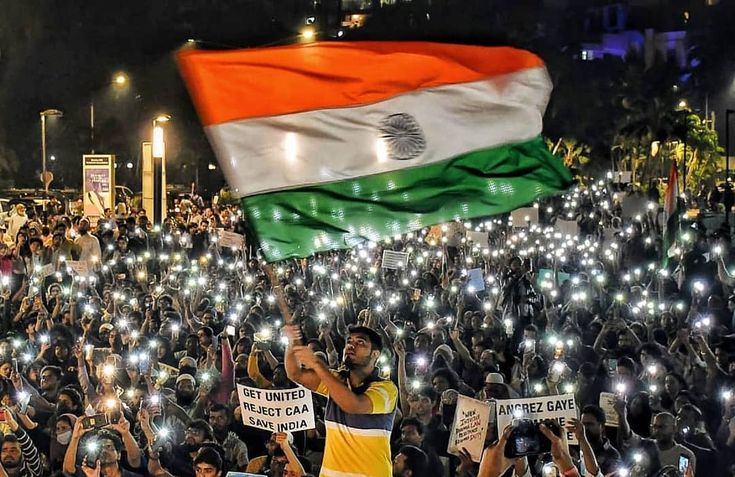
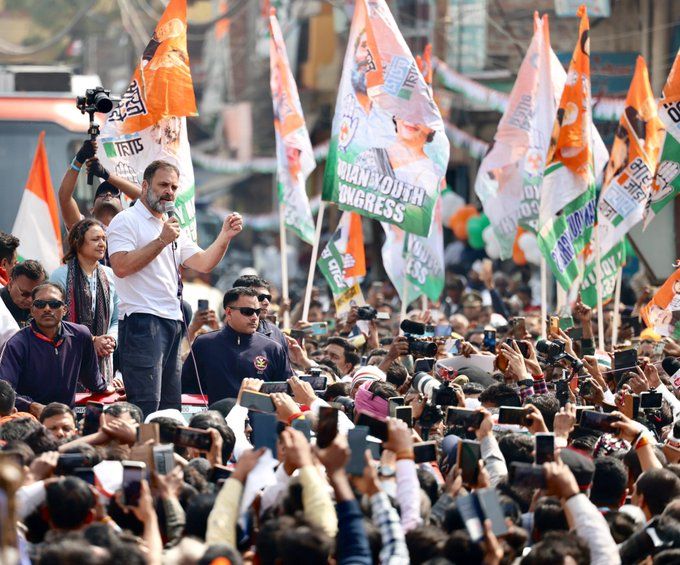
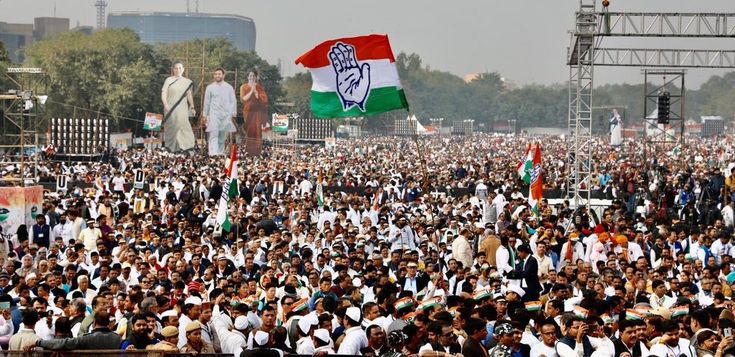
Political rallies in India often draw enormous crowds, especially when popular figures like Vijay are involved. A mix of enthusiasm, celebrity appeal, and political fervor creates an electric but volatile atmosphere.
Analysts note that event organizers and local administrations frequently underestimate the scale of turnout. Crowd management strategies — such as clear entry routes, emergency exits, adequate medical stations, and coordination with police — are often insufficient.
The Tamil Nadu rally is a stark reminder that political leaders and parties carry responsibility for ensuring the safety of their supporters. Experts argue that accountability should extend beyond compensation, involving stricter penalties for negligence.
Lessons from past tragedies
Several deadly crushes in India have prompted official inquiries, but reforms are rarely implemented consistently. Common recommendations include:
- Advanced planning with local police and emergency services.
- Use of modern technology such as drones and surveillance cameras for crowd monitoring.
- Setting clear caps on attendance based on venue capacity.
- Wider public education on crowd safety and emergency protocols.
Yet enforcement remains weak, especially during high-stakes political campaigns where organizers prioritize turnout over safety.
Global perspective on crowd disasters
Crush tragedies are not unique to India. In 2022, more than 150 people died during a Halloween crowd surge in Seoul, South Korea. In 2021, the Astroworld music festival in Houston saw 10 deaths when a crowd of 50,000 surged toward the stage.
What sets India apart, however, is the frequency of such incidents and the repeated failures to adopt lasting crowd safety measures. Experts warn that unless India invests heavily in infrastructure and crowd management, tragedies like the Tamil Nadu rally will keep occurring.
What happens next?
The Tamil Nadu government has promised an inquiry, but families of victims and safety advocates are demanding more than just investigations. Calls are growing for:
- Mandatory safety audits before political or religious gatherings.
- Criminal liability for event organizers and political parties in cases of negligence.
- Better infrastructure at rally grounds and public venues.
- Integration of health and safety protocols into India’s electoral processes.
Whether these demands translate into lasting change remains uncertain. Past tragedies suggest that public outrage fades quickly, allowing systemic problems to persist.
Outlook
The India political rally crush in Karur is not just a local tragedy but a national wake-up call. It underscores how political ambition, poor planning, and systemic neglect can combine to create preventable disasters.
As families mourn the 39 lives lost, the broader question is whether India will finally implement lasting crowd safety reforms. With elections looming and rallies set to intensify, the urgency could not be greater.
Source: BBC News