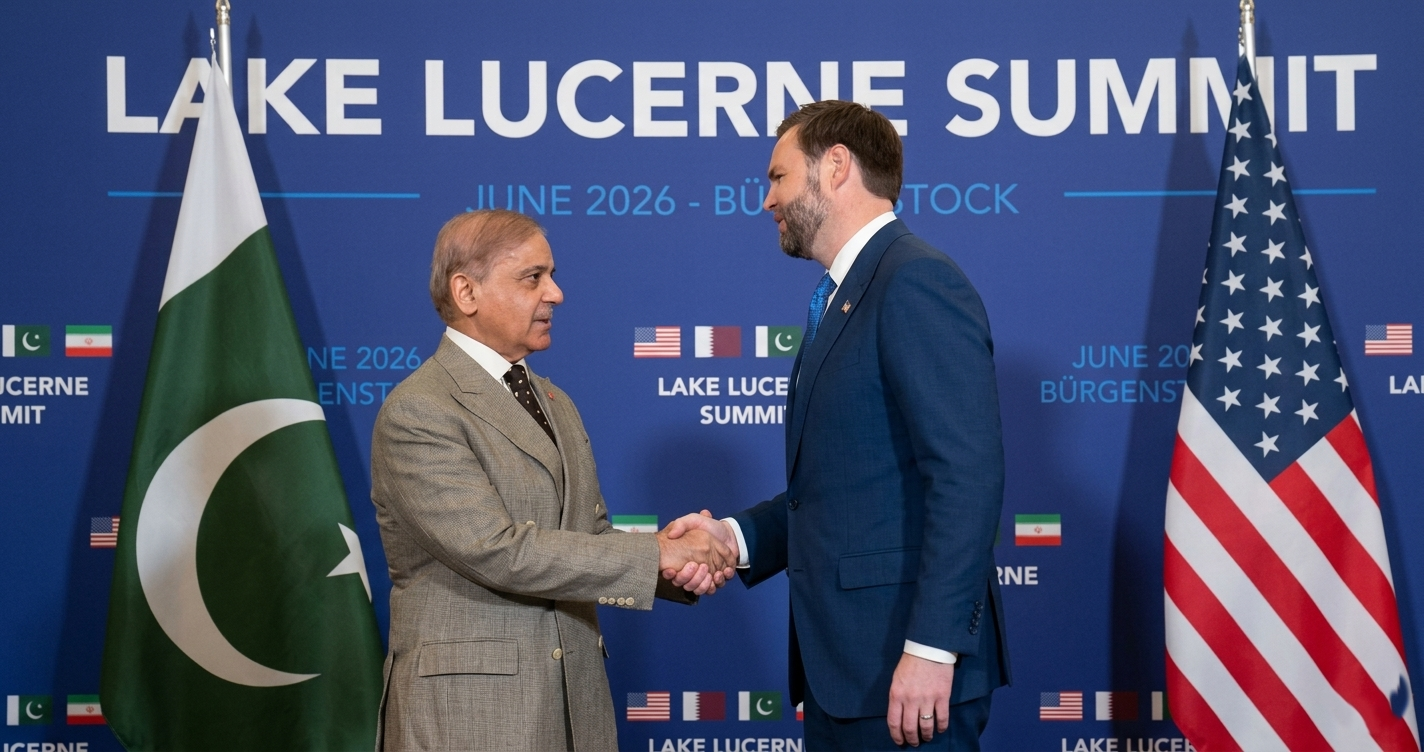
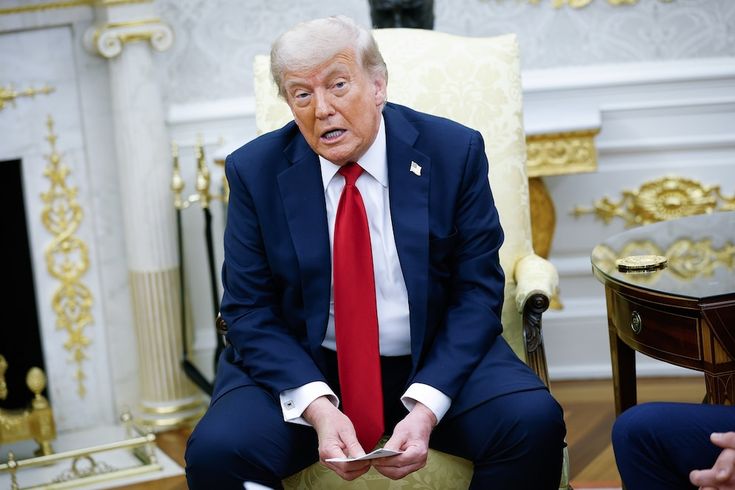
Trump considering supplying Ukraine with long-range missiles has emerged as a central foreign-policy flashpoint after US Vice-President J.D. Vance told reporters the administration is reviewing Kyiv’s request for Tomahawk-style weapons. The comments — echoed by other US officials — mark a notable shift in tone from portions of the previous US approach and raise urgent questions about battlefield effects, escalation risks, and the diplomatic calculus in a war that has entered its fourth year.
What was said — and who said it
The phrase Trump considering supplying Ukraine with long-range missiles entered headlines after Vice-President J.D. Vance told the BBC that Washington was weighing Ukraine’s request for missiles with intercontinental strike reach such as Tomahawks. Vance emphasized that the final call rests with President Donald Trump.
Shortly afterwards, US special envoy to Ukraine Keith Kellogg suggested on Fox News that Washington has already, in certain instances, authorised Kyiv to strike deep into Russian territory — a comment interpreted by some as signalling a de-facto green light for selective long-range operations. Taken together, the remarks produced a flurry of analysis, cautious support from some Western capitals and immediate denials or downplaying from officials in Moscow.
Why Ukraine wants long-range missiles
Kyiv’s broader strategy has long included the ability to hold Russian military infrastructure, command centres and logistical nodes at risk well behind the front line. Ukraine argues that:
- Long-range weapons would raise the cost of Russia continuing the war by threatening key industrial and military hubs.
- Striking deep targets could put pressure on Moscow to come to the negotiating table.
- Defensive systems alone are insufficient while Russia retains the ability to strike Ukrainian cities and supply lines at will.
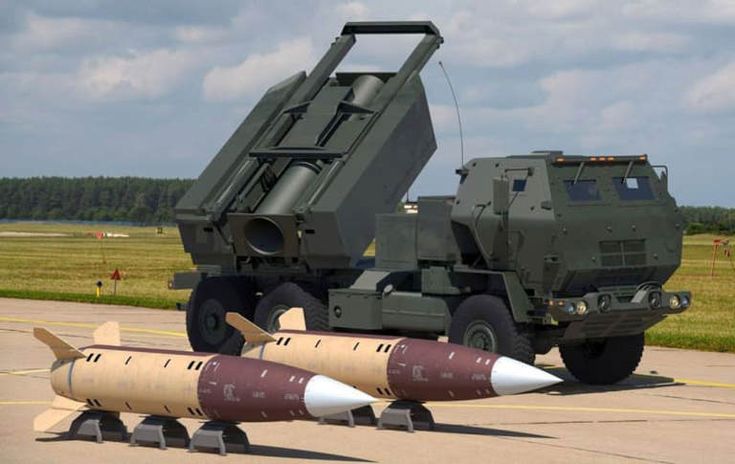
Tomahawk cruise missiles, for example, have a range of roughly 2,500 km (1,550 miles) — enough to reach major Russian regions from Ukrainian or allied-operated launch points. Kyiv contends such a capability could force strategic recalibration in Moscow.
The immediate military picture: harder skies, heavier strikes
The request comes amid a notable increase in the scale and lethality of Russian air campaigns. Recent reports described a 12-hour bombardment on Kyiv involving hundreds of drones and dozens of missiles; analysts said Russia has been deploying more advanced, multi-channel drones designed to defeat Ukrainian jamming systems.
Ukraine’s air-defence capacity remains stretched. Kyiv has requested additional Patriot batteries and other high-end interceptors to blunt mass drone and missile barrages. Officials argue that without strengthened air defences, long-range offensive systems alone would leave Ukrainian population centres vulnerable.
How supplying long-range missiles could change the battlefield
If Trump considering supplying Ukraine with long-range missiles culminates in approvals and deliveries, potential effects include:
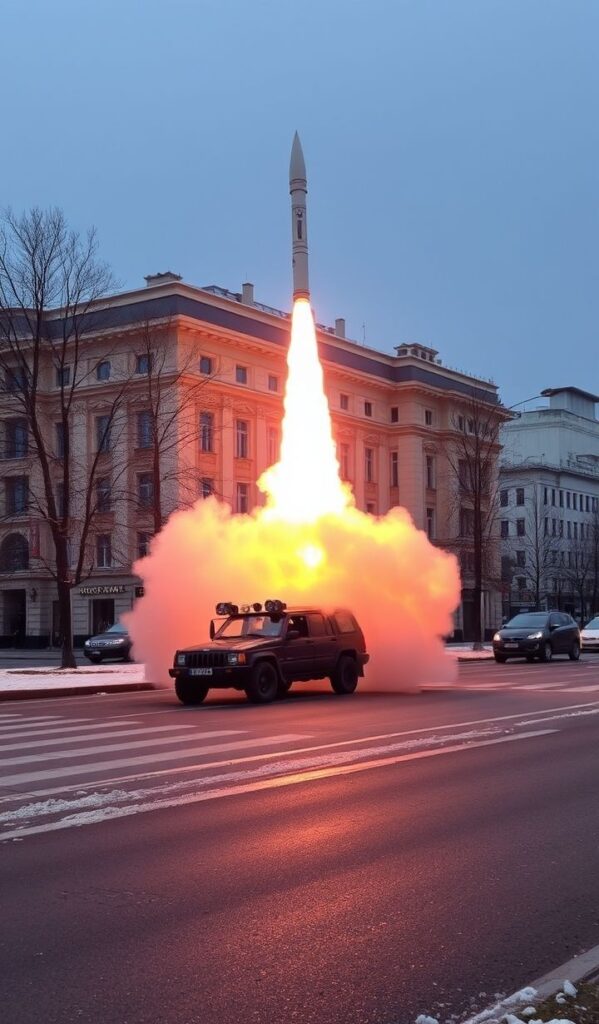
- Operational reach: Ukrainian forces (or their partners acting on their behalf) could target logistics, munitions factories, ports and airbases far from the frontline, disrupting Russian sustainment.
- Deterrence psychology: The mere knowledge that Russian rear areas are at risk might force Moscow to disperse critical assets, complicating its operational planning.
- Escalation risks: Russia is likely to view strikes on its homeland as a major escalation. Moscow could respond with retaliatory strikes, cyber operations, or attacks on NATO members’ interests — complicating alliance calculations.
- Chain reaction in arms flows: Other allies might be pressured to match capabilities, or to restrict certain systems to reduce escalation risk.
Military planners emphasise that the effectiveness of long-range strikes depends on targeting intelligence, platform survivability, and coordination with air-defence upgrades. A limited set of long-range strikes, carefully scoped and de-conflicted, would differ greatly from a broad campaign of strikes across Russian territory.
Political and legal considerations in Washington
Any decision to provide Tomahawk-class weapons would involve not just the White House but congressional oversight, interagency debate and treaty-level signalling. Points under consideration in Washington include:
- Presidential authority vs. congressional role: Large transfers of offensive weaponry often require consultation or notification to Congress.
- Domestic politics: The Trump administration must weigh electoral and public-opinion consequences; hawkish elements applaud tougher stances while others fear spiralling conflict.
- Allied coordination: Supplying long-range weapons without close consultation with NATO and EU partners risks creating rifts — many allies are cautious about measures that could widen the war.
Vance’s public framing — and Kellogg’s remarks — may be intended to telegraph to Moscow that the West’s tolerance for continued bombardment of Ukrainian cities is declining. Yet signalling carries risk: it can deter adversaries or provoke them.
Moscow’s reaction — bluster and dismissal
Kremlin spokesman Dmitry Peskov downplayed the potential effect, arguing there is “no panacea” that would alter the battlefield dynamic. Moscow’s likely responses include:
- Public denunciations and warnings of retaliation.
- Accelerated targeting of Ukrainian logistics and infrastructure.
- Diplomatic pressure on countries considering transfers and attempts to divide allies by exploiting economic ties.
Russian military doctrine and past behaviour suggest Moscow treats strikes on its sovereign territory as a threshold; the precise nature of its response would depend on scale, attribution and whether strikes are perceived as state-sanctioned versus carried out by irregular actors.
Wider geopolitical ripple effects
Approval of long-range weapons could have consequences beyond the immediate war:
- Regional security: Nations bordering Russia would reassess their defence postures. NATO members could be drawn into closer planning and contingency operations.
- Sanctions and economic warfare: Moscow might retaliate economically, using energy or trade levers where available.
- Arms control erosion: The move could further erode post-Cold War norms about striking sovereign territory, making reciprocal actions more likely in other conflicts.
Constraints and caveats
Several practical constraints complicate the picture:
- Logistics and training: Ukraine would need platforms and crews able to employ long-range missiles effectively.
- Intelligence: Precision targeting of strategic infrastructure requires accurate, timely intel — which is not guaranteed.
- Escalation management: Any transfer would likely come with strict caveats about use and possibly conditions attached by the US or partners.
What commentators and analysts say
Views among analysts are mixed. Some argue long-range strikes could be a strategic equaliser, increasing the cost to Moscow of sustaining war. Others warn that strikes on Russian soil could provide a pretext for dramatic escalation, possibly prompting strikes against Western assets or allies.
Ukraine’s own leaders consistently stress that such weapons are defensive tools to hasten conflict termination; critics fear their employment could blur the line between defence and offensive strategic targeting.
The next steps
For now, Trump considering supplying Ukraine with long-range missiles remains at the stage of public signalling and internal review. Key upcoming steps include:
- Formal interagency deliberations and legal reviews in Washington.
- Possible consultations with NATO allies and regional partners.
- Clarification from the White House on rules of engagement, scope and safeguards.
President Trump will make the final call — and whatever decision is taken will shape the next phase of an already brutal conflict.
Source: BBC