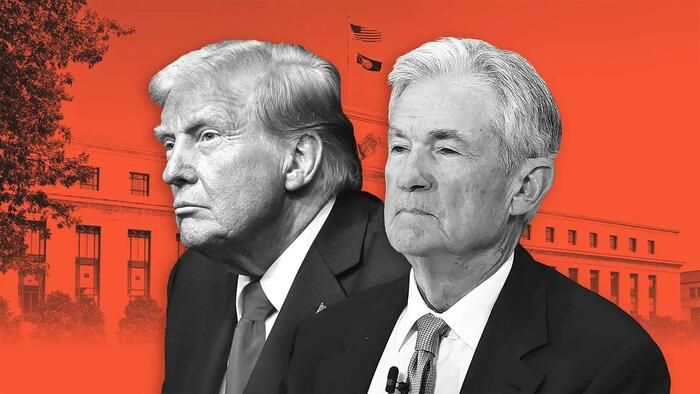
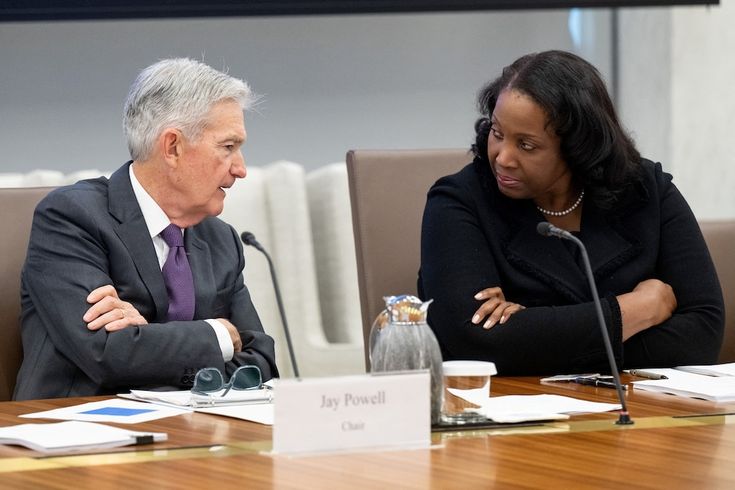
The Supreme Court Lisa Cook Federal Reserve case has become one of the most closely watched legal battles in Washington, carrying profound implications for U.S. monetary policy, political interference, and the independence of the Federal Reserve itself. In a major interim decision, the Supreme Court ruled that Lisa Cook, a Biden appointee, may remain in her role as a Federal Reserve governor for now despite President Donald Trump’s attempt to oust her over disputed allegations of mortgage fraud.
This ruling marks a temporary victory for Cook and the central bank, and a setback for Trump, whose pressure campaign on the Fed has raised alarms about the political independence of one of the world’s most powerful economic institutions.
The Court’s Decision
In an unsigned order issued Wednesday, the Supreme Court rejected Trump’s request to immediately remove Cook from her post. Instead, the justices said they would hear full arguments on the legality of her dismissal in January 2026.
The order upholds an earlier ruling from a federal judge, who placed a stay on Cook’s removal until the courts could evaluate whether Trump’s action was legal. That stay now remains in place, allowing Cook to participate in at least two critical monetary policy votes before the year ends.
Cook’s attorneys hailed the decision as a crucial affirmation of the Fed’s independence, saying:
“This decision rightly allows Governor Cook to continue in her role on the Federal Reserve Board, and we look forward to further proceedings consistent with the Court’s order.”
Trump’s Attempt to Remove Lisa Cook
President Trump announced in August that he was firing Lisa Cook, claiming she had lied on a mortgage application before joining the Fed board. Cook has denied the allegations, insisting that the president’s true motive is her policy stance on interest rates and monetary easing.
Trump, who has repeatedly criticized the Fed for not cutting interest rates aggressively enough, has argued that Cook’s positions are obstructing his economic agenda. By law, however, Federal Reserve governors are appointed to 14-year terms and can only be removed “for cause.” Crucially, the statute does not define what “for cause” means, nor does it outline a clear procedure for removing a governor.
This is the first time in U.S. history that a president has attempted to fire a Federal Reserve governor — a move seen by many as a direct threat to the institution’s independence.
Political Pressure on the Federal Reserve
The dispute highlights the long-running tension between the White House and the Federal Reserve. Shortly after beginning his second term, Trump launched a vocal campaign against the central bank for what he viewed as insufficient rate cuts.
He even floated the idea of firing Federal Reserve Chairman Jerome Powell, though he later backed down amid legal uncertainty and market turmoil. Instead, Trump has turned his sights on Cook, a prominent economist who joined the board under President Biden.
In addition, Trump took the unusual step of temporarily appointing Stephen Miran, the White House’s top economic adviser, to fill a vacancy on the Fed board — a move critics saw as further politicizing the central bank.
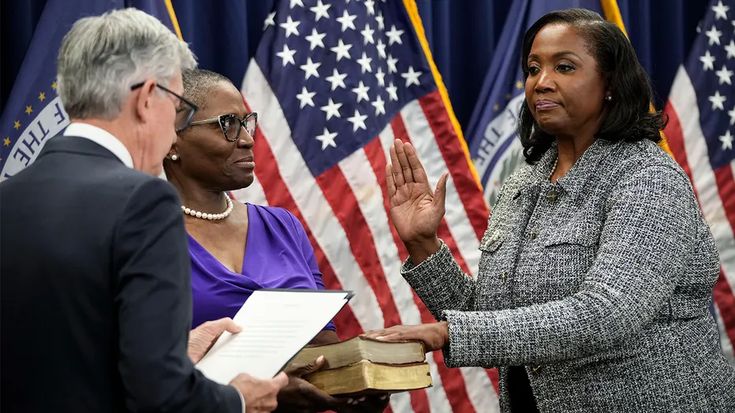
Why This Case Matters
The Supreme Court Lisa Cook Federal Reserve case matters far beyond the fate of one governor. It raises critical questions about the separation of powers and the degree to which political leaders can interfere with monetary policy.
The Federal Reserve operates under a dual mandate: to maintain stable inflation and to maximize employment. Its credibility rests heavily on its perceived independence from political pressure. If Trump’s effort succeeds, it could open the door for future presidents to remove Fed officials for policy disagreements, potentially undermining the central bank’s ability to make impartial economic decisions.
The Economic Stakes
Lisa Cook’s continued presence on the board will influence decisions on whether to pursue additional rate cuts this year. In September, the Fed reduced its benchmark interest rate for the first time in nearly 12 months, citing labor market weakness rather than political influence.
Wall Street expects further cuts before the end of the year. These decisions will directly impact mortgage rates, consumer borrowing, and business investment, shaping the economic landscape heading into 2026.
For ordinary Americans, the stakes are clear: the Fed’s decisions could determine whether mortgage rates ease, whether credit becomes cheaper, and how inflation trends in the coming months.
Broader Legal Implications
The Supreme Court will now confront the question of what “for cause” removal means in the context of the Federal Reserve. Legal scholars argue that defining it too loosely could erode institutional independence, while defining it too strictly could prevent accountability if a governor engages in genuine misconduct.
Cook herself has not been charged with any crime, and many experts suggest the allegations against her are politically motivated. The case could therefore establish a precedent for how presidents interact with independent federal agencies more broadly.
What Comes Next
The Supreme Court is scheduled to hear oral arguments in January 2026, with a decision likely in the spring. Until then, Cook remains a voting member of the Federal Reserve Board, ensuring she has a voice in at least two upcoming meetings.
For now, the ruling is a symbolic victory for the Fed’s independence and a reminder of the institution’s central role in U.S. democracy and economic stability. But the final outcome will determine whether the balance of power between the presidency and the Federal Reserve shifts dramatically in the years ahead.
A Battle Between Politics and Independence
The fight over Lisa Cook’s position illustrates the increasingly politicized climate surrounding economic policy. For Trump, securing lower rates is both an economic and political priority ahead of the 2026 midterms. For Cook and her defenders, the issue is about protecting the institutional integrity of the Federal Reserve.
Ultimately, the case represents a clash between short-term political agendas and long-term economic governance. The Supreme Court’s eventual ruling could redefine not only the Fed’s independence but also the limits of presidential power over independent agencies.
Source:
BBC News