Israel Hamas peace talks 2025 have begun in the Egyptian resort of Sharm el-Sheikh, marking a pivotal moment in one of the most destructive conflicts of the 21st century. Two years after the October 7, 2023 attacks, both sides — battered by war and mounting internal pressure — now face a defining choice: to seize the chance for peace or continue down the path of destruction.
The renewed peace negotiations come under the shadow of a humanitarian catastrophe in Gaza and growing global pressure. Donald Trump’s 20-point Gaza peace plan, the framework for these discussions, aims to end hostilities, secure the release of hostages, and lay the foundation for regional stability. Yet deep distrust and domestic political struggles threaten to derail progress before it begins.
A Grim Anniversary and a Fragile Opportunity
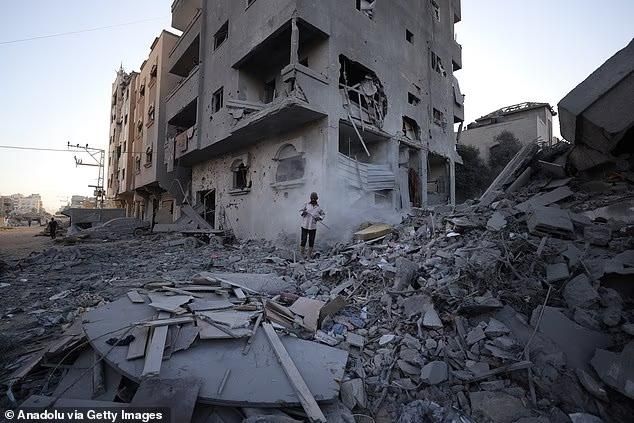
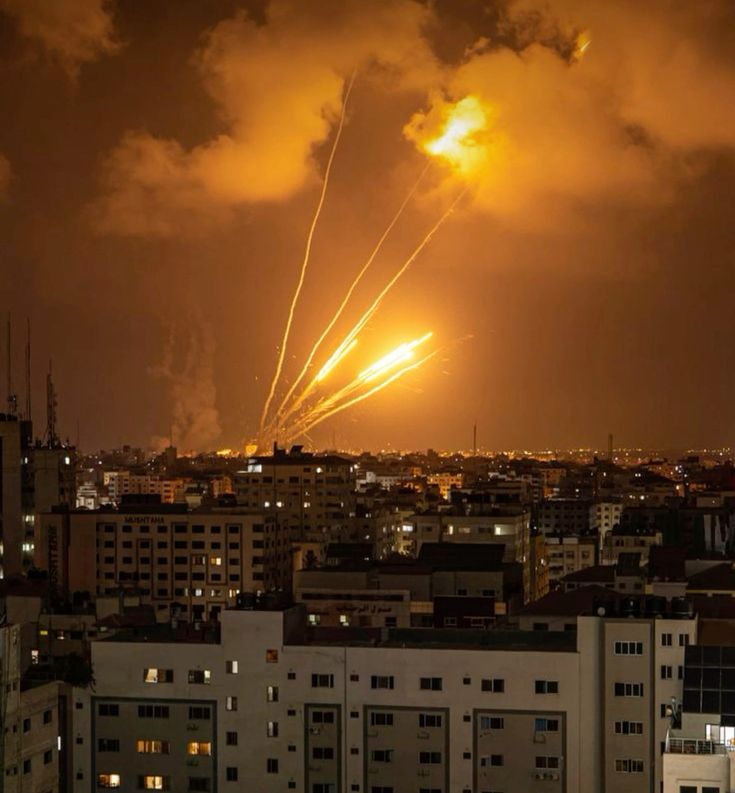
Exactly two years have passed since Hamas’s October 7 attacks, which killed about 1,200 people, mostly Israeli civilians, and saw 251 hostages taken. Israel’s retaliatory campaign devastated Gaza, killing more than 66,000 Palestinians, including 18,000 children, according to Gaza’s health ministry.
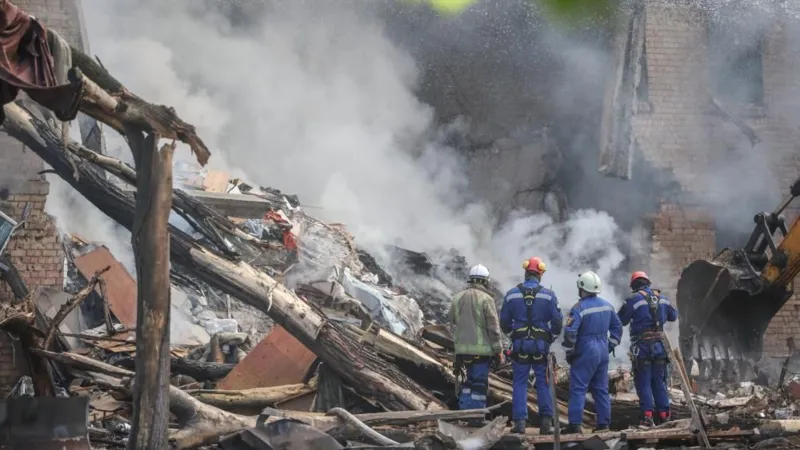
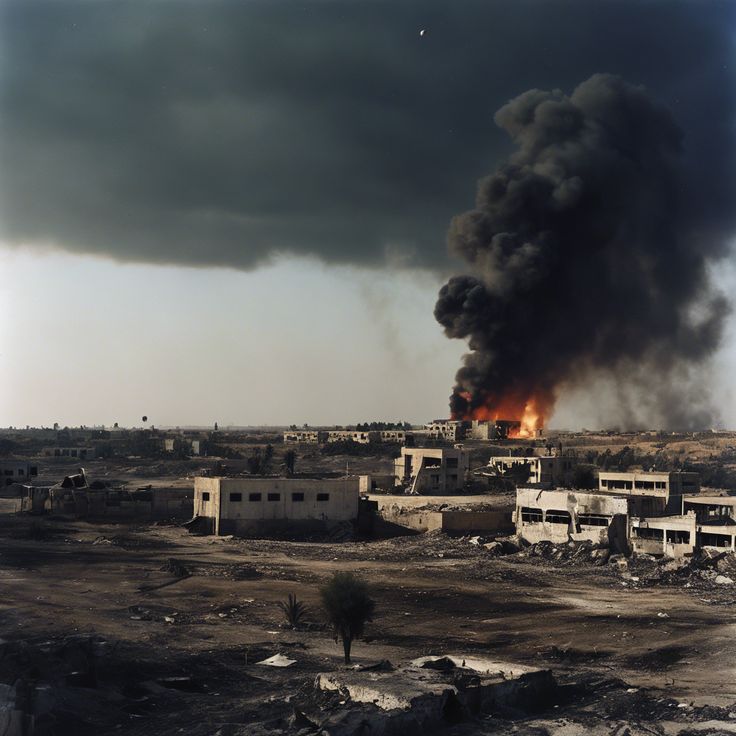
The destruction has left Gaza in ruins, displacing millions and creating what aid agencies call an “unlivable catastrophe.” Meanwhile, Israelis are weary of constant mobilization — hundreds of thousands of reservists have spent months in uniform, with polls showing a growing desire for a political end to the war.
Both sides’ suffering fuels hope that the anniversary might become a turning point rather than another reminder of failure.
The Context of the Sharm el-Sheikh Negotiations
The current round of Israel Hamas peace talks 2025 is taking place in Sharm el-Sheikh under the mediation of Egypt and Qatar, with strong involvement from the United States. The process is indirect, with no face-to-face meetings between Hamas and Israeli representatives.
Trump’s 20-point Gaza peace plan forms the basis of the negotiations. It calls for an immediate ceasefire, the exchange of Israeli hostages for Palestinian prisoners, and the gradual demilitarization of Gaza. However, the plan sidesteps major political questions — including the status of the West Bank and Palestinian statehood — making it more of a temporary truce framework than a lasting settlement.
While Trump touts the plan as “a historic opportunity,” critics warn that it could solidify divisions if underlying grievances are ignored.
Netanyahu’s Political Calculations
Israeli Prime Minister Benjamin Netanyahu faces mounting internal challenges. His political survival depends on delivering what he calls “total victory” — the return of all hostages, the destruction of Hamas’s military infrastructure, and the demilitarization of Gaza.
However, Netanyahu’s power is under strain. Widespread criticism of his handling of the 2023 attacks and ongoing corruption trials have weakened him politically. Trump’s pressure — including forcing him to apologize to Qatar’s prime minister after an airstrike — demonstrates how dependent Israel remains on U.S. support.
Netanyahu must navigate between hardline coalition partners who reject any compromise and international demands urging restraint and diplomacy.
Hamas’s Struggle for Survival
Hamas, too, is fragmented and weakened. Its once-centralized military structure has devolved into an urban guerilla network operating amid Gaza’s ruins. Despite devastating losses, Hamas remains determined to survive politically and militarily.
Sources close to the organization say its leaders are open to ceding administrative control to a technocratic Palestinian government — a major concession — but want to retain limited military capability to protect themselves from internal rivals.
The group’s top representative, Khalil al-Hayya, leads the delegation in Sharm el-Sheikh. He narrowly survived an Israeli strike in Doha that killed his son, underscoring the personal and political costs of the ongoing conflict.
Trump’s Pressure and the U.S. Role
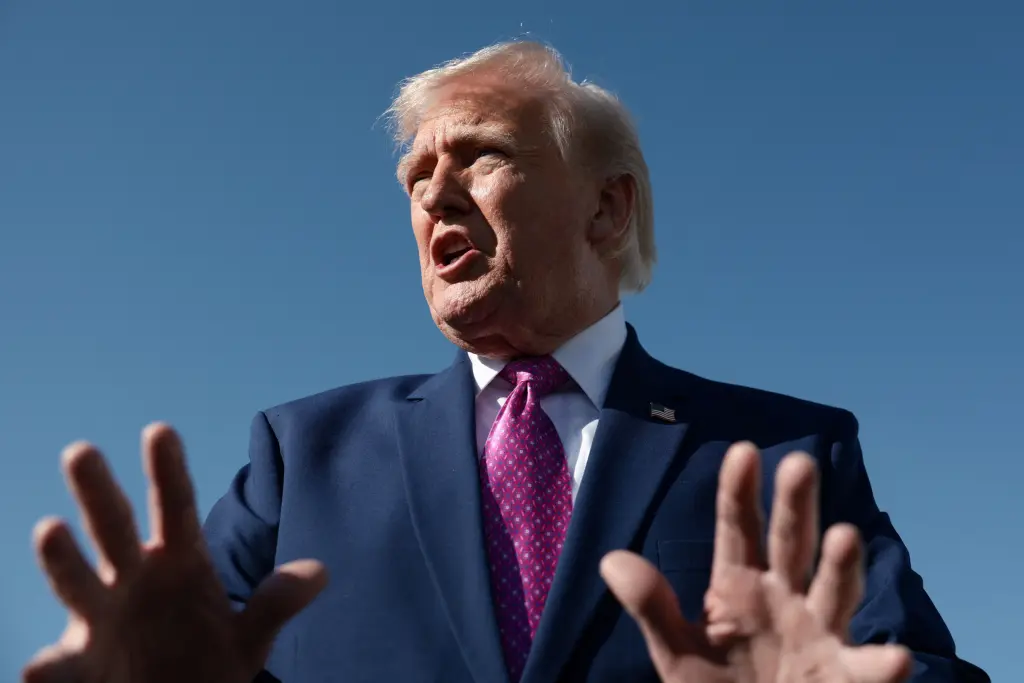
Donald Trump’s approach to the Israel Hamas peace talks 2025 differs sharply from his predecessors. Using a mix of coercion and incentives, he has pushed both sides toward negotiation. His threats of “total backing” for Israel if Hamas refuses cooperation and his insistence on Israeli flexibility show a strategic use of U.S. leverage.
Beyond Gaza, Trump’s broader aim is to secure normalization between Israel and Saudi Arabia — a cornerstone of his Middle East agenda. However, Saudi officials have made clear that normalization is impossible without an irreversible path toward Palestinian statehood.
Trump’s decision to make Netanyahu acknowledge that possibility — however vaguely — has reintroduced the two-state debate into diplomatic discussions, though its future remains uncertain.
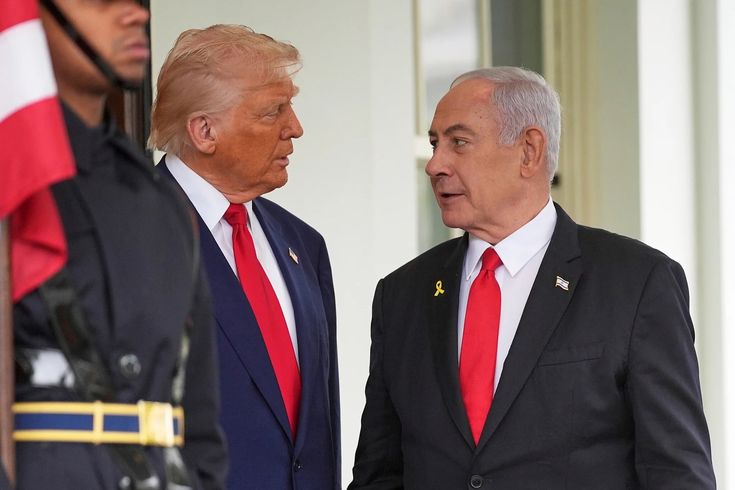
Hostages, Prisoners, and Political Extremes
The talks’ immediate goal is a deal exchanging Israeli hostages for Palestinian prisoners. Yet the complexity of these negotiations cannot be overstated. Israel’s far-right factions oppose any compromise with Hamas, while hardliners within Hamas view concessions as betrayal.
If the peace talks collapse, both sides risk catastrophic consequences — Israel could relaunch full-scale military operations, and Hamas might lose its last chance for political legitimacy.
Humanitarian Crisis and International Pressure
The humanitarian toll in Gaza is staggering. Over two million Palestinians face severe shortages of food, water, and medical supplies. International organizations accuse Israel of blocking aid and creating a “man-made famine,” which Israel denies.
Global calls for a lasting ceasefire have intensified. The United Nations, European Union, and Arab League all urge an agreement that enables aid, reconstruction, and civilian safety. The question is whether diplomacy can overcome years of bloodshed and mistrust.
Outlook: A Fragile Hope for Peace
Despite skepticism, the Israel Hamas peace talks 2025 may represent the best opportunity for peace in years. Both sides are exhausted, and Trump’s desire to secure a legacy deal adds urgency.
Still, the gaps remain vast. Trump’s framework lacks detailed enforcement mechanisms, and both parties face political extremes unwilling to compromise. Even so, a temporary ceasefire that halts fighting, allows aid to flow, and returns hostages could mark a vital first step toward a longer peace process.
For now, the world watches Sharm el-Sheikh with cautious hope — aware that what happens here could reshape the trajectory of the Middle East for years to come.
Source: BBC