
World Culture Festival 2025 Karachi is poised to transform the city into a vibrant global arts hub between October 30 and December 7, hosting over 800 artists from 102 countries in a sweeping cultural celebration. The city’s streets, halls, heritage sites, and public squares will come alive with music, dance, theatre, exhibitions, workshops, and immersive installations — all designed for local communities, international visitors, and cultural exchange.
The festival, announced recently by provincial culture authorities and covered by Daily Times, represents one of Pakistan’s boldest efforts to rejuvenate arts, civic pride, and international cultural diplomacy in decades. Multiple venues across Karachi will host performances — from metropolitan auditoriums to open-air waterfront stages — enabling wide public access across socioeconomic lines.
An Ambitious Multicultural Showcase
The scale of the World Culture Festival 2025 Karachi is ambitious. Delegations from 102 countries will present their native art forms:
- Traditional and contemporary music performances, ranging from classical orchestras to folk and indie acts
- Dance troupes presenting styles such as flamenco, Bharatanatyam, Kathak, West African, tango, and contemporary dance
- Theatre and spoken word performances exploring social narratives, diasporic identities, and cross-cultural stories
- Art installations and interactive media that invite public participation — projection mapping, augmented reality murals, sculpture gardens
- Film screenings and visual art exhibitions curated by international curators, focused on themes of identity, heritage, migration, and climate resilience
Special emphasis is placed on cross-cultural collaboration: artists from different countries collaborating on fusion performances, residencies where international creators team with Pakistani artists, and joint public workshops bridging cultures.
Venues, Layout & Audience Access
Organizers plan to spread the festival across multiple zones in Karachi. Key target venues include:
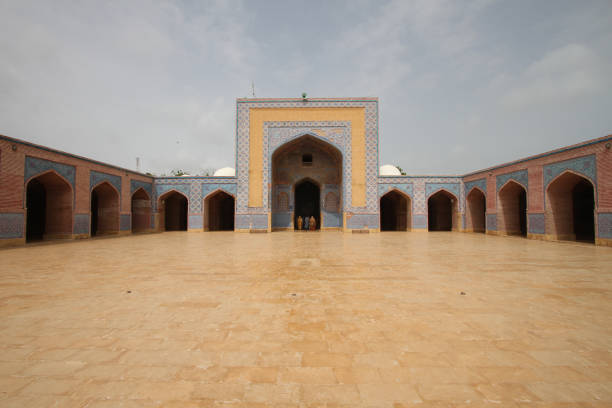
- Heritage and historic sites: locations with architectural or historical significance to mix culture with legacy
- Public parks and waterfronts: open-air venues ideal for large audience gatherings and installations
- Cultural centers, galleries, auditoriums: for indoor performances, film, and exhibition work
- Pop-up stages in neighborhoods: small-scale performances in local communities to ensure outreach
Transportation, signage, crowd management, and program scheduling will be crucial. Organizers have committed to offering free or low-cost access to many events to ensure inclusivity across economic backgrounds.
With a projected daily average attendance of tens of thousands, the festival expects to attract national and international audiences, boosting Karachi’s cultural tourism and hospitality sectors.
Cultural Diplomacy, Legacy & Soft Power
At the heart of the festival is cultural diplomacy. By bringing artists from over 100 nations, Pakistan seeks to:
- Forge cross-border artistic networks
- Showcase Pakistan’s cultural openness and modern narrative
- Enhance global partnerships with cultural institutions, embassies, UNESCO chapters, and arts NGOs
- Create opportunities for Pakistani artists to gain international exposure
Officials frame the festival as one of economic, social, and cultural rebirth. Karachi’s creative ecosystem — galleries, studios, youth arts groups — will be deeply engaged. The festival aspires to leave behind upgraded arts spaces, public installations, artist residencies, and strengthened public-city arts infrastructure.
Economic Impact & Local Benefits
The festival is more than performance; it’s a catalyst for local economic stimulation. Projections include:
- Boost in tourism flow, with visitors booking accommodations, dining, transport
- Revenue for local vendors, craft and artisan stalls, food markets at festival grounds
- Job opportunities in venue operations, logistics, security, technical staff, stage crews
- Activation of Karachi’s creative sector: galleries, local musicians, artists, designers
Municipal coordination is underway to ensure public amenities — parking, sanitation, security — scale with demands. Festival organizers are also advocating for capacity building in local arts management and technical skills, so that the legacy is sustained.
Challenges and Risk Mitigation
Given the festival’s scale and ambition, several risks must be addressed:
- Security and crowd safety: Karachi’s dense urban structure demands robust security protocols, emergency planning, and crowd flow control
- Weather risk: Late-monsoon rains or unexpected storms could disrupt open-air events
- Logistics and coordination: Synchronizing multiple venues, artist movement, tech setups and transport in a megacity of 20+ million
- Funding and sponsorship: Ensuring budget continuity, sponsor commitments, contingency funds
- Access inequality: Ensuring lower-income communities are not excluded due to cost barriers
To mitigate, organizers plan to partner with local government, police, arts commissions, and NGOs. Backup indoor venues, alternate dates, and flexible programming are part of risk plans.
Programming Highlights & What to Watch
During the festival, audiences can expect:
- Opening gala featuring collaborative performances between Pakistani and international artists
- A special heritage arts corridor combining traditional folk art and modern reinterpretation along Karachi’s old districts
- Daily community arts workshops in neighborhoods — dance, mural painting, storytelling
- Nighttime projections or light shows on iconic buildings along the harbor
- Film series centering on global cultural narratives and local storytelling
- Closing ceremony with mass performance, public art unveiling, and awards for cross-cultural collaboration
Local youth, school groups, and diaspora communities are slated to participate heavily in these side-events, building a sense of shared ownership and local pride.
Measuring Success & Long-Term Goals
Success metrics for the World Culture Festival 2025 Karachi include attendance numbers, international participation, media reach, economic uplift for neighborhoods, and sustained arts engagement post-festival.
Organizers aim for the festival to become an annual or biennial fixture, with Karachi evolving into a cultural destination in South Asia. Long-term goals include establishing a permanent festival arts campus, supporting artist residencies year-round, and integrating creative clusters into city planning.
i0z5ui