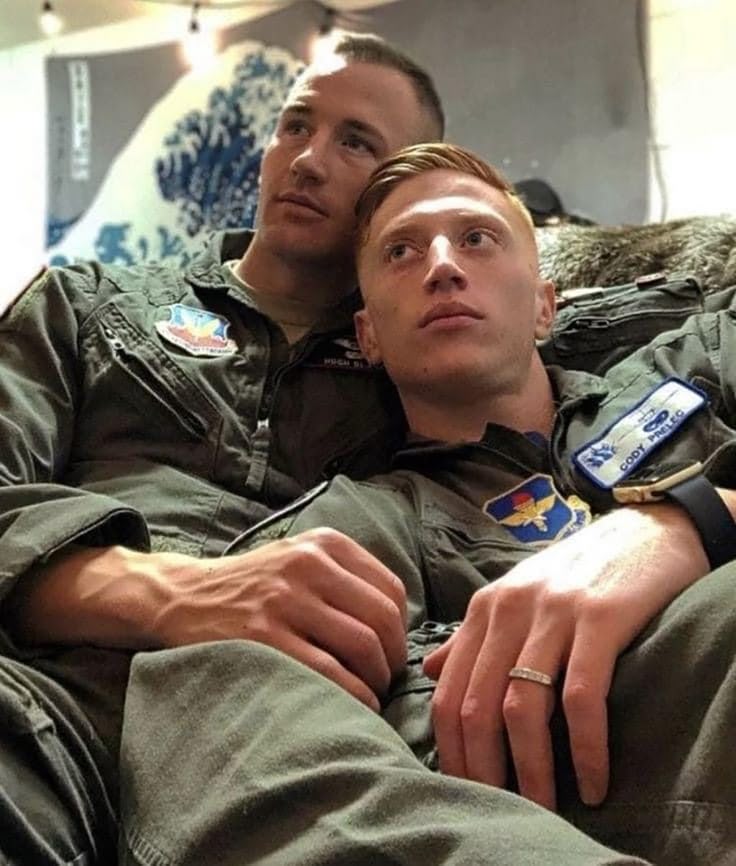
For centuries, gay people in the US military have served their country in silence — forced to hide who they are, to live and fight under a shadow of fear. A new Netflix comedy-drama, Boots, brings this untold history to light with humour, heart, and a deep sense of justice.
Service and Secrecy: A Hidden Legacy
The story of LGBTQ+ people in the armed forces is defined by two words — service and secrecy. Friedrich Wilhelm von Steuben, the Prussian military officer who helped George Washington form America’s first professional army in the 18th century, is believed by historians to have been gay. Yet, like countless soldiers after him, he never came out.
For decades, gay troops risked punishment, dishonourable discharge, and imprisonment simply for their identity. Even when “Don’t Ask, Don’t Tell” was introduced in 1994 — allowing lesbian, gay, and bisexual people to serve so long as they kept quiet — it institutionalized silence and fear.
When Silence Was Law
Before the repeal of “Don’t Ask, Don’t Tell” in 2011, any admission of same-sex attraction could end a career. Article 125 of the Uniform Code of Military Justice, introduced in 1951, made “unnatural carnal copulation” illegal — a vague term used to target same-sex intimacy.
President Joe Biden’s 2024 pardon of veterans convicted under this law acknowledged the injustice: “Many former service members were convicted simply for being themselves,” he said.
Blackmail, Fear, and Survival
Cultural historian Dr. Nathaniel Frank, author of Unfriendly Fire: How the Gay Ban Undermines the Military and Weakens America, says blackmail was a constant risk for closeted service members.
“Lesbian, gay and bisexual troops operated under a cloud of fear, suspicion, and uncertainty,” Frank told the BBC. “Their pay, retirement benefits, and entire careers were at risk if they were outed.”
Even minor personal conflicts could lead to exposure. Some were imprisoned under military law simply for private relationships.
The Policy That Made It Worse
When President Bill Clinton introduced “Don’t Ask, Don’t Tell,” it was meant to protect gay service members from harassment. In practice, it had the opposite effect.
“Officials weren’t supposed to ask if someone was gay,” says Frank, “but they did — and witch hunts continued. The number of discharges actually went up instead of down.”
By trying to make sexuality invisible, the policy magnified scrutiny and fear.
‘Boots’ and the Fight for Authenticity
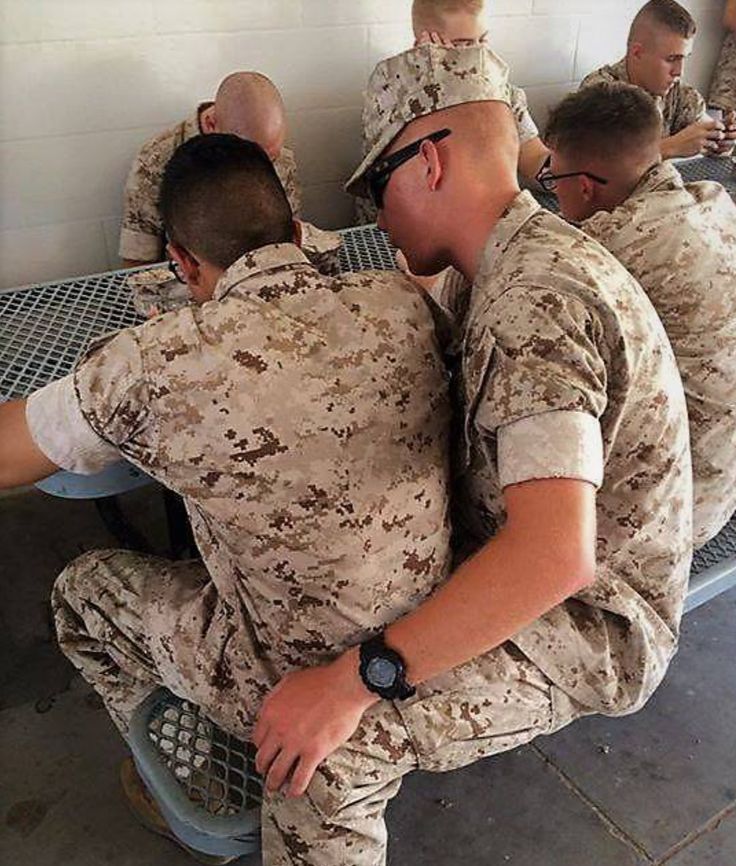
Netflix’s Boots dramatizes this tension through the story of Cameron, a closeted teenager (played by Miles Heizer) who joins the US Marine Corps seeking belonging. Based on Greg Cope White’s 2016 memoir The Pink Marine, the series reimagines his real-life experiences during a time of secrecy and repression.
White describes the military as “the great equaliser,” but admits that hiding his identity was exhausting: “The Marines is a place to find your authentic self. But I wasn’t allowed to be authentic, and I couldn’t continue being inauthentic with people I respected so much.”
Creator Andy Parker, who previously worked on Netflix’s Tales of the City, says every recruit in Boots is hiding something. “Our gay main character has a secret that’s high stakes,” he explains. “But everyone there is running from something — that’s what binds them together.”
The Absurdity of Exclusion
Even non-LGBTQ+ veterans who worked as advisers on Boots saw the irony in the policies of the time. The ban on open service, they said, undermined the very cohesion the military prized.
As Parker notes, the absurdity of “Don’t Ask, Don’t Tell” was that it punished honesty and rewarded silence — the opposite of the military’s core values of integrity and courage.
From Exclusion to Inclusion
In 2015, a Pentagon survey found that 5.8% of service members identified as lesbian, gay, or bisexual — proof of quiet progress. But equality remains incomplete. Transgender personnel, for instance, continue to face challenges.
Former President Donald Trump’s 2019 ban on trans service members, though later reversed by the Biden administration, revealed how fragile progress can be. As Boots creator Parker said, “I thought we were telling a piece of history. I didn’t realise it would be so relevant again.”
Defining Patriotism Anew
Dr. Frank believes the fight for inclusion in the armed forces mirrors the broader American struggle over identity and belonging. “National defence has always been a stage for debates about what it means to be an American,” he says.
For many activists, allowing LGBTQ+ people to serve openly challenged stereotypes — proving that patriotism, discipline, and courage have no sexual orientation.
A Legacy of Courage
Greg Cope White sees the issue in simple, human terms: “We ask young people from all walks of life to come together and give their lives to protect our Constitution. Anyone willing and qualified to serve should not just be allowed — they should be embraced and celebrated.”
What was once a story of silence and shame is now one of recognition and resilience — a testament to the countless soldiers who served under the cloud of secrecy, and those who continue to demand the right to serve with pride.
End of an Empire, Beginning of Equality
Boots isn’t just a television series — it’s a cultural reckoning. By turning history into story, it reminds viewers that freedom and authenticity are battles still being fought — even in the land of the free.
Source: BBC CULTURE