
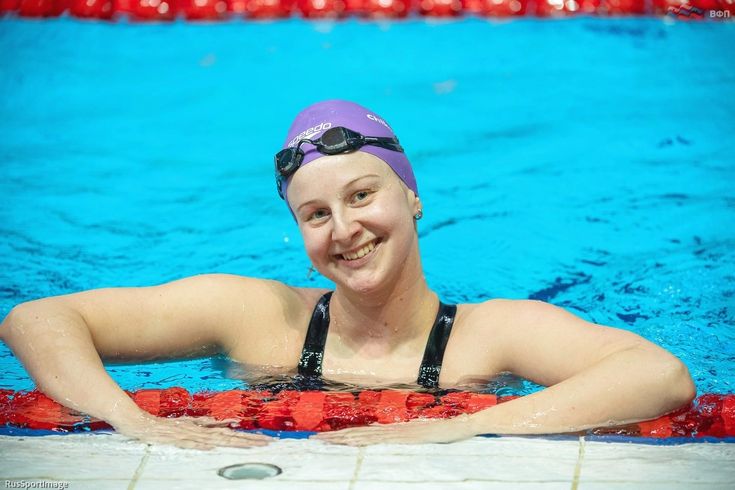
Ariarne Titmus Retirement, Australia’s four-time Olympic gold medallist, has officially marked the end of her competitive swimming career at just 25 — closing one of the most remarkable chapters in modern sports. Known for her fierce yet respectful rivalry with American champion Katie Ledecky, the Ariarne Titmus Retirement story reflects a legacy defined by dominance, humility, and inspiration.
Her announcement came as a surprise to fans and athletes worldwide. Many expected her to compete again at the 2028 Los Angeles Olympics. However, Titmus shared in a heartfelt video that her priorities had shifted, saying, “I’ve always loved swimming, but I’ve realised some things in life are just a little bit more important to me.”
A Career of Gold and Grit
Ariarne Titmus retires as one of Australia’s most decorated athletes — with eight Olympic medals, four world titles, and the distinction of being one of the few swimmers to consistently challenge and defeat Katie Ledecky at her peak.
Her defining moment came at the Paris 2024 Olympics, where she won her third individual gold medal in the 400m freestyle — a race famously dubbed “the race of the century.” Outpacing Ledecky and Canada’s Summer McIntosh, Titmus cemented her place in Olympic history with a performance of pure power and poise.
Nicknamed “The Terminator” early in her career, Titmus became the face of Australian swimming — a symbol of national pride who helped restore Australia’s dominance in the pool after years of struggle.
The Turning Point
Following her Paris triumph, Titmus took a planned year off from swimming to rest, reflect, and recover. During that time, she underwent surgery to remove benign ovarian tumours — a health scare that shifted her perspective on life and sport.
Reflecting on that period, she said, “Delving into those health challenges made me think about what’s most important. Beyond swimming, I’ve always had personal goals — and now, I’m excited for what’s next.”
Her words carried the weight of both gratitude and growth — a realization that even champions must sometimes let go to find balance beyond victory.

The Rivalry That Redefined Women’s Swimming
Few rivalries in sports were as electrifying and respectful as Ariarne Titmus vs. Katie Ledecky. Their head-to-head battles elevated women’s swimming to global prominence, inspiring millions.
From her first major win over Ledecky at the 2019 World Championships to her unforgettable comeback in the 400m freestyle at the Tokyo Olympics, Titmus proved that greatness could coexist with grace.
Even after years of competition, the two remained mutual admirers. Ledecky herself wrote on Instagram after the retirement news:
“An outstanding competitor, champion and person!”
Their rivalry was never about animosity — it was about excellence pushing excellence.
End of a Golden Era
Born in Tasmania and trained under elite coach Dean Boxall in Queensland, Titmus’s journey from local pools to Olympic podiums is the story of ambition fulfilled. Her 400m and 800m freestyle titles at the 2018 Commonwealth Games announced her arrival, but it was her Olympic victories that made her immortal in Australian sport.
The successful defense of her Olympic title in Paris made her the first Australian woman since Dawn Fraser to go back-to-back in an individual swimming event — an achievement that will stand as one of the greatest moments in Australian sporting history.
Her coach’s animated celebrations became part of swimming folklore, mirroring the intensity and joy that defined her career.
Beyond the Pool
Ariarne Titmus departs as not just a swimmer, but a role model. Her honesty, resilience, and unwavering dedication have inspired countless young athletes. Her next chapter, whatever it holds, will likely carry the same passion that made her a legend in the water.
In her own words, “More than anything, I’m excited for what’s next.”
End of a Golden Era, Beginning of a New Chapter
Ariarne Titmus’s retirement is not an ending — it’s a transition from waves to new horizons. She redefined what it means to compete with heart, to lead with humility, and to leave the stage on her own terms.
Her name will forever be etched beside swimming greats like Dawn Fraser, Ian Thorpe, and Katie Ledecky — a reminder that true greatness is measured not just by medals, but by legacy.
Source: Al Jazeera