
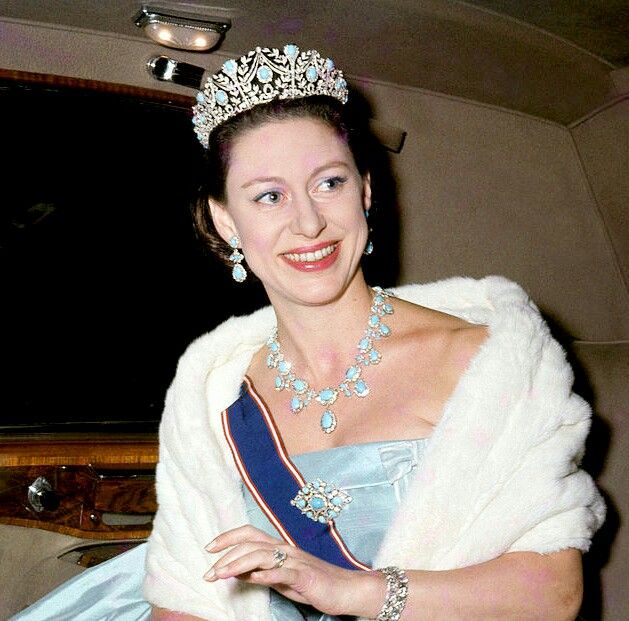
Princess Margaret first love — the phrase itself whispers of passion, scandal, and sacrifice behind palace walls. Long before modern royal controversies and fairy-tale weddings, there was the story of Princess Margaret and Group Captain Peter Townsend — a love that dared to defy royal convention and shook the foundation of the British monarchy.
When Princess Margaret, the younger sister of Queen Elizabeth II, announced on 31 October 1955 that she was ending her engagement to Townsend, Britain was heartbroken. The world saw a young princess torn between love and loyalty — a woman forced to choose duty over desire. Yet, as decades passed, declassified government papers revealed that the truth was far more complicated than the legend suggests.
The Hero Who Captured a Princess’s Heart
Peter Townsend wasn’t a mere suitor — he was a decorated war hero. Born in 1914, Townsend joined the Royal Air Force at the age of 19 and rose to fame during World War II as a courageous fighter pilot. He was part of the Battle of Britain, helping to shoot down the first German bomber to crash on English soil. His valor earned him the Distinguished Flying Cross and national respect.
After the war, Townsend found himself working at the heart of royalty — appointed as equerry to King George VI. This role placed him close to the royal family, and it wasn’t long before his loyalty, poise, and charm drew the admiration of the young Princess Margaret.
During a royal tour of South Africa in 1947, 17-year-old Margaret’s fondness for the older, married officer began to blossom. Though Townsend was nearly twice her age and a father of two, their emotional connection deepened over time.
Love in the Shadows
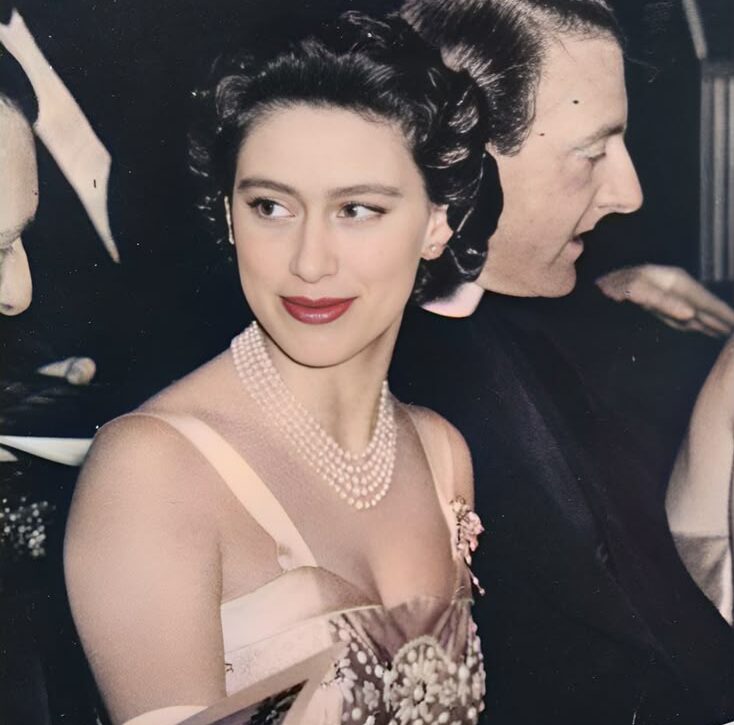
In the early 1950s, whispers of their closeness circulated through palace corridors. Lady Jane Rayne, one of Margaret’s friends, recalled an encounter at Balmoral in 1951: “They never kissed or held hands, but you could just feel it,” she said. Their relationship, though innocent in its beginnings, grew into an intense romance that would soon face the scrutiny of an entire empire.
After the death of King George VI in 1952 and Elizabeth’s ascension to the throne, the royal household entered a new era — one defined by public appearances, duty, and moral image. In 1953, at the coronation of her sister, Margaret’s small gesture of brushing lint off Townsend’s jacket sent the press into a frenzy. It was enough to confirm what many suspected: the princess was in love with a divorced man.
The Royal Barrier
When Townsend’s divorce became final, he proposed to Margaret. Yet under the Royal Marriages Act of 1772, she required the Queen’s consent to wed before turning 25. Elizabeth asked her sister to wait a year before deciding, but the monarchy’s senior advisers — particularly Sir Alan “Tommy” Lascelles — fiercely opposed the union. Divorce was still taboo in royal circles, especially since the monarchy was the symbolic head of the Church of England.
In a move designed to separate them, Townsend was reassigned to Brussels as air attaché to the British Embassy. Though framed as a career advancement, it was an enforced exile — a message that love had its limits within the crown.
Letters Across the Sea
Despite the distance, their bond endured. The pair exchanged letters nearly every day, and when Margaret turned 25 in August 1955, she was legally free to marry whomever she chose. The world watched closely. Could love finally triumph over tradition?
When Townsend returned to London in October, the moment of truth arrived. If Margaret chose marriage, she would have to give up her royal title, her annual Civil List income, and her right of succession. Many believed she was given a cruel, black-and-white choice — love or crown.
But secret files released decades later told another story. A compromise had been quietly reached: Margaret could have kept her royal title and income, provided she married Townsend in a civil ceremony rather than a grand church wedding.
The Day Love Died
On 31 October 1955, the BBC interrupted its programming with a short but devastating announcement. Reading from Princess Margaret’s official statement, the newsreader declared:
“I have been aware that, subject to my renouncing my rights of succession, it might have been possible for me to contract a civil marriage. But, mindful of the Church’s teaching that Christian marriage is indissoluble, and conscious of my duty to the Commonwealth, I have resolved to put these considerations before any others.”
Peter Townsend, ever the gentleman, accepted her decision gracefully. In later interviews, he admitted, “She would have been stripped of practically everything.” His respect for her never faded, even when time and distance carried them to different lives.
Separate Lives, Shared Legacy
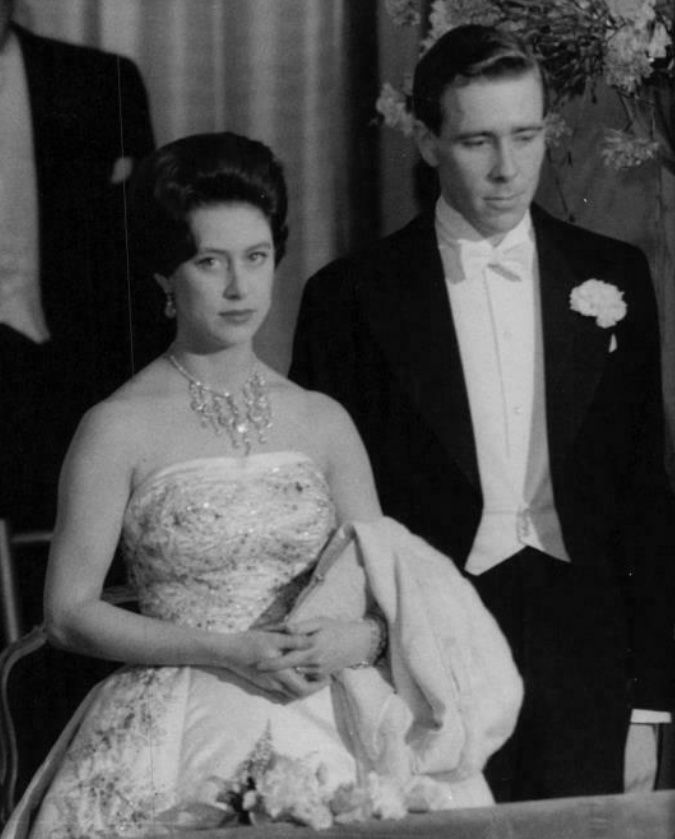
After their separation, Townsend returned to Belgium and married 20-year-old Marie-Luce Jamagne, a tobacco heiress. In 1960, Princess Margaret married photographer Antony Armstrong-Jones, who became the Earl of Snowdon. Their marriage was celebrated as a royal fairy tale — but by 1978, she became the first British royal to divorce since Henry VIII.
Townsend, reflecting on his past love, once said that if Margaret walked into the room, “I should be delighted to see her, and I presume that if she walked into this room, it would only be because she would be delighted to see me.”
Beyond the Fairy Tale
Princess Margaret’s first love story remains a haunting reminder of the price of royal duty. Before Diana or Harry and Meghan challenged tradition, it was Margaret who first exposed the emotional cost of being royal. Her love story with Townsend remains both timeless and tragic — proof that sometimes, even a princess cannot choose her heart over her crown.
Source: BBC