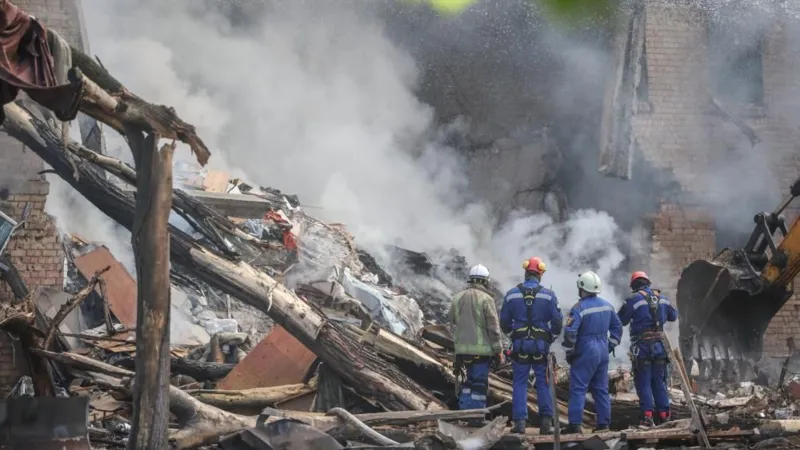
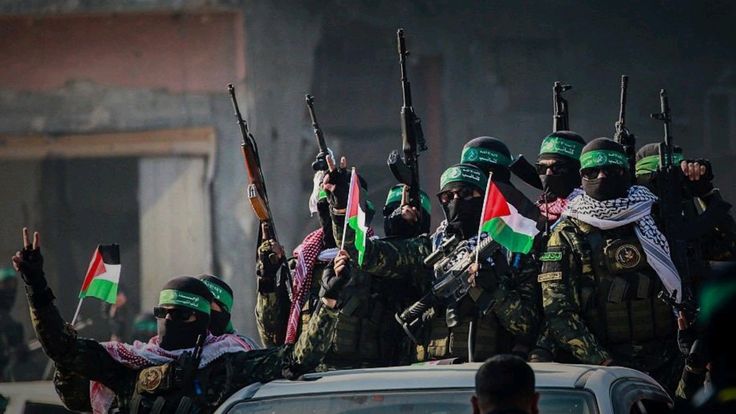
Israel Gaza attacks have continued into a fourth consecutive day, defying the fragile US-brokered ceasefire and deepening fears of a renewed all-out war in the besieged Palestinian enclave. According to reports from Al Jazeera’s correspondents, at least three people were killed in the latest overnight strikes, marking yet another test of the already unstable truce.
The Israeli military launched fresh air raids targeting eastern Khan Younis and residential homes near Gaza City, causing widespread panic among civilians. Although no new casualties were immediately confirmed from the latest round of explosions, the attacks have reignited concern that the ceasefire is collapsing before meaningful peace efforts can resume.
The International Committee of the Red Cross reported that it transferred three unidentified bodies to Israel after they were handed over by Hamas. Israeli officials believe that the remains of at least 11 captives still lie within Gaza, as negotiations continue under intense international pressure.
Meanwhile, tensions have also escalated across the occupied West Bank, where Israeli forces reportedly carried out multiple raids in towns such as Yabad, Tubas, and Nablus. Local sources claim troops fired indiscriminately during operations, arresting and later releasing several minors. In Nur Shams camp, soldiers even fired flare grenades, heightening fears of expanding unrest.
A poll conducted by Israel’s Channel 12 further revealed growing unease among Israelis themselves. According to the survey, 67 percent of Israelis believe the United States is dictating the country’s military strategy in Gaza, while only 24 percent think Israel is fully in control. The data underscores the internal political strain between Prime Minister Benjamin Netanyahu’s government and Washington, as US Vice President JD Vance recently dismissed claims that Israel acts as a “client state,” instead describing the partnership as one of “shared security interests.”
Residents inside Gaza, however, see little relief. After weeks of intense bombing, families continue to search for food, clean water, and medical supplies. One local family told Al Jazeera they have been forced to live inside a damaged home with an unexploded bomb still lodged in the walls — a grim symbol of how the conflict has invaded every corner of daily life.
The ceasefire, initially brokered with support from Washington and Cairo, was meant to open a pathway for humanitarian aid and potential hostage exchanges. But ongoing Israeli operations and sporadic rocket launches from Gaza militants have kept both sides on edge.
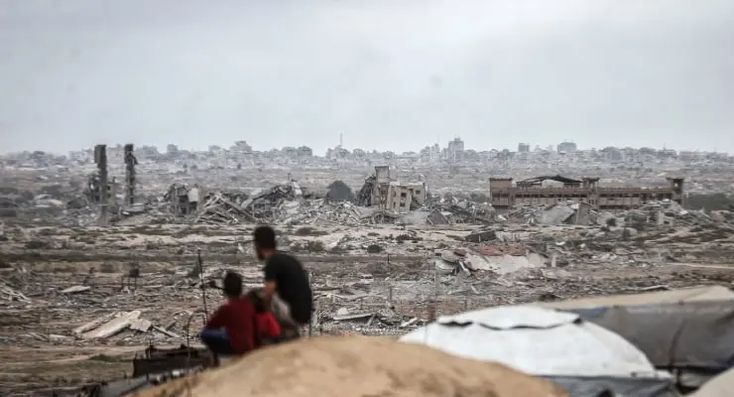
In Khan Younis, witnesses described hearing “relentless thunder” through the night as Israeli jets struck suspected Hamas positions. Emergency services scrambled to respond despite fuel shortages that have crippled ambulances and hospital generators.
Humanitarian organizations warn that if the violence continues, Gaza’s already dire conditions could worsen dramatically. The World Health Organization says dozens of hospitals are on the brink of shutting down due to lack of electricity and medical supplies.
On the political front, international actors, including the United Nations and the European Union, have called for restraint. UN Secretary-General António Guterres expressed deep concern that continued bombings could “erase the minimal trust needed” to sustain ceasefire talks.
For Palestinians, the fear is not abstract — it’s daily life. Many describe this latest round of strikes as a “slow return to total war,” reminiscent of the devastating 2023 and 2024 escalations that left thousands dead and entire neighborhoods flattened.
While the Israeli government insists its actions are defensive and targeted, human rights organizations say the strikes have disproportionately harmed civilians and vital infrastructure. Power cuts, blocked aid convoys, and communications blackouts are once again isolating Gaza from the outside world.
In the occupied West Bank, meanwhile, the Israeli army’s operations have widened, sparking protests and clashes in cities like Jenin and Nablus. With arrests mounting and young Palestinians increasingly defiant, analysts warn the situation risks spreading beyond Gaza, turning into a wider regional crisis.
As of early Saturday morning, explosions could still be heard across Gaza’s southern and eastern regions, while Israeli drones hovered continuously overhead. For many residents, the question is no longer whether the ceasefire will collapse — but when.
If the current trend continues, observers fear the fragile truce could unravel entirely within days, plunging both Israelis and Palestinians back into the brutal cycle of retaliation and suffering that has defined their shared history for decades.
Source:
Al Jazeera