Updated by FFRNews on November 2, 2025
WASHINGTON, Nov 1, 2025 — The United States is facing an unprecedented hunger crisis as the US federal food aid lapse 2025 takes effect amid an ongoing government shutdown. For millions of low-income Americans who rely on the Supplemental Nutrition Assistance Program (SNAP), the situation is dire.
For Roma Hammonds, a 60-year-old grandmother from Chattanooga, Tennessee, food stamps have been her family’s lifeline. After taking custody of her grandchildren five years ago, she has depended on $563 in monthly SNAP benefits to feed her family of four. But this November, that essential aid may not arrive.
“I don’t know what I’ll do,” Hammonds said, reflecting the desperation felt by roughly 41 million SNAP recipients across the country.
The federal food aid lapse marks a historic moment — the potential suspension of a 60-year-old nutrition program that has been central to fighting hunger in America. The SNAP program distributes about $8 billion monthly to low-income individuals and families across all states.
Federal Shutdown Paralyzes Food Aid Distribution
The ongoing U.S. government shutdown, now stretching into its fourth week, has frozen major welfare programs, with food aid being the hardest hit. Neither Congress nor the administration of President Donald Trump has taken definitive action to ensure funding for November benefits.
On Friday, two federal judges ruled that the administration cannot block the November SNAP benefits, ordering the U.S. Department of Agriculture (USDA) to use roughly $5 billion in contingency funds to pay recipients. The USDA has been directed to provide updates on compliance with this ruling by Monday.
However, as of now, the USDA has not clarified how it will respond or how quickly it can distribute funds. States, meanwhile, have been left scrambling, unsure whether to intervene or wait for federal action.
Only a Handful of States Stepping Up
Out of 50 states, only Delaware, New Mexico, Louisiana, Virginia, Vermont, and the District of Columbia have announced plans to cover some or all of the November benefits themselves.
Most other states have stated they cannot afford to pay SNAP benefits on their own, citing technical barriers and budget constraints. Others have not issued any public statements, leaving millions of residents uncertain about their food security.
The USDA’s October 24 memo made matters worse by confirming that the federal government will not reimburse states that decide to front the cost of benefits — a move that discourages even wealthier states from stepping in.
According to the Pew Charitable Trusts, most states operate on balanced budgets that leave little room for emergency allocations. This uncertainty, compounded by federal inaction, has exposed deep structural weaknesses in how the United States handles essential social safety nets.

Voices from the Ground: “We Don’t Have $130 Million to Spare”
Advocates and state officials have expressed frustration at the federal stalemate.
“Every year we have significant budget shortfalls and are working to balance the budget,” said Christine Woody, food security policy manager at Empower Missouri, a social justice organization. “We don’t have $130 million to put towards this without any assurance.”
Her statement echoes the sentiment shared by many local administrators who face the impossible choice between breaking state budgets or leaving families hungry.
In states like Missouri, Mississippi, and Alabama — where poverty levels are already among the nation’s highest — the end of SNAP funding could push hundreds of thousands of households into food insecurity overnight.
Multi-Million-Dollar Gaps and Systemic Barriers
SNAP benefits are distributed via Electronic Benefit Transfer (EBT) systems managed by third-party contractors. These contractors rely on federal data systems and funding streams to load money onto recipients’ cards.
States such as California, which receives more than $1 billion monthly, and Wyoming, which receives about $4.9 million, have warned they cannot make the necessary technical changes to process payments independently.
Even if states wanted to pay temporarily, they face logistical bottlenecks: outdated EBT systems, contractual limitations, and no guarantee of federal reimbursement.
This complex web of administrative dependency underscores the fragility of America’s welfare infrastructure — a system deeply reliant on federal stability to function at even the most basic level.
Political Blame and the Human Cost
The USDA has described the current shutdown as an “inflection point for Senate Democrats,” accusing them of withholding votes on the spending bill. Democrats, on the other hand, have criticized the agency for failing to use available contingency funds earlier to prevent the crisis.
The political tug-of-war in Washington has left families like the Hammonds in limbo. Hunger advocates warn that unless funds are restored immediately, food banks and local charities could be overwhelmed within weeks.
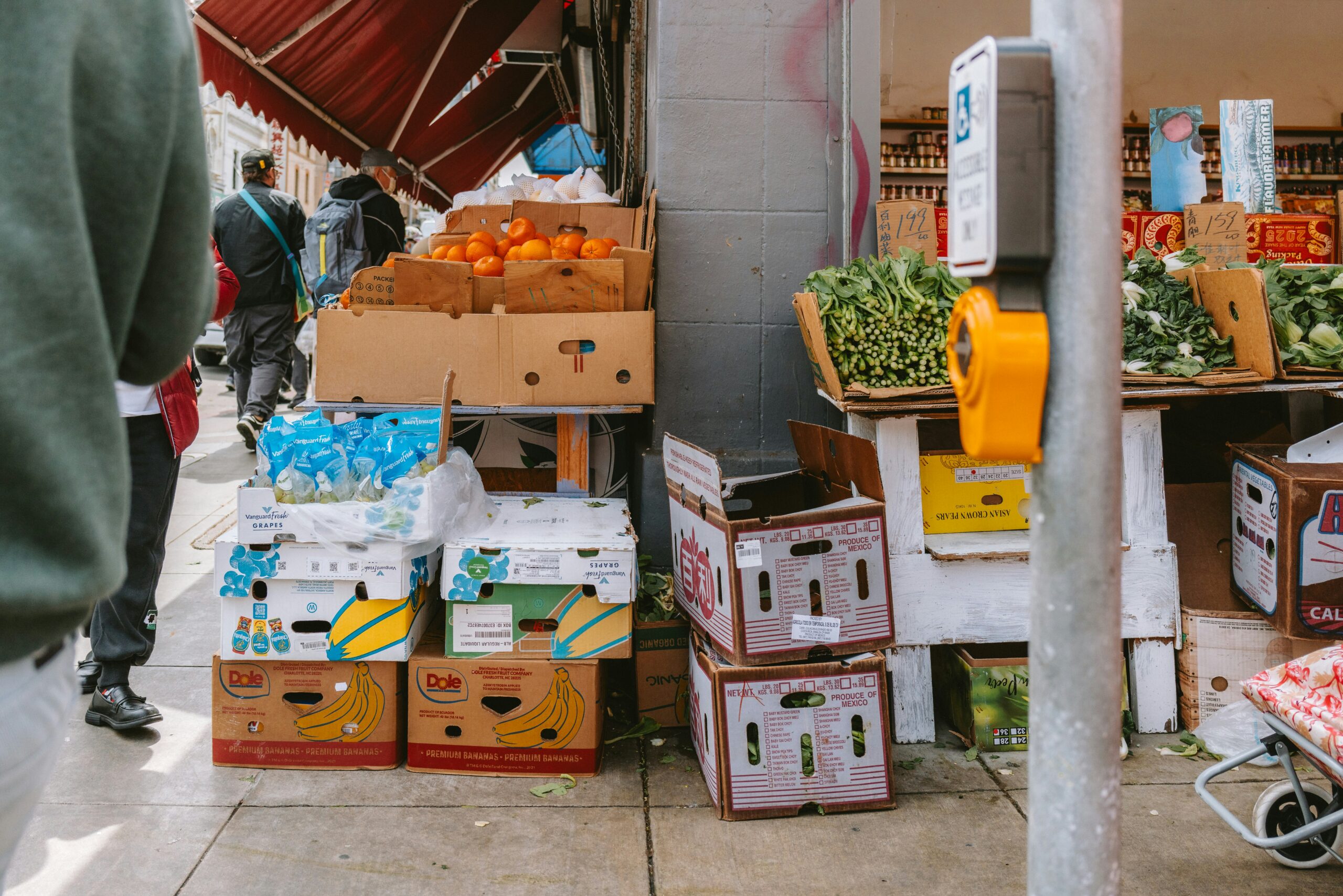
According to Feeding America, the nation’s largest hunger relief organization, food pantries are already reporting surges in demand as news of the lapse spreads. In cities like Chelsea, Massachusetts, volunteers are distributing emergency groceries at places such as La Colaborativa’s food pantry, where lines now stretch around the block.
The Bigger Picture: A Nation’s Safety Net Unraveling
Experts say the US federal food aid lapse 2025 is a symptom of a larger problem — the country’s increasing dependence on fragile political negotiations to maintain basic welfare programs.
A study from the Center on Budget and Policy Priorities (CBPP) found that every month of delayed SNAP payments translates into over $6 billion in lost food purchasing power, impacting not only families but also grocery retailers, farmers, and local economies.
The ripple effects are immense: reduced consumer spending, higher healthcare costs due to malnutrition, and an overall rise in poverty indicators.
For now, advocacy groups are urging Congress to approve emergency funding and shield SNAP from political gridlock in future shutdowns.
“No child or senior citizen should go hungry because politicians can’t agree,” said Lisa Davis, senior vice president at No Kid Hungry. “This isn’t just a funding lapse — it’s a moral failure.”
End of an Empire, Beginning of a Warning
As the clock ticks and millions brace for empty EBT cards, the US federal food aid lapse 2025 stands as a grim reminder of how fragile America’s safety nets have become.
For families like the Hammonds, the issue isn’t politics — it’s survival. The image of parents lining up outside food pantries in the world’s richest nation paints a sobering picture of systemic neglect.
Until Congress and the White House find common ground, millions of Americans remain caught in the crossfire of bureaucracy and political posturing — with dinner plates growing emptier by the day.