

Updated by FFRNews on November 5, 2025
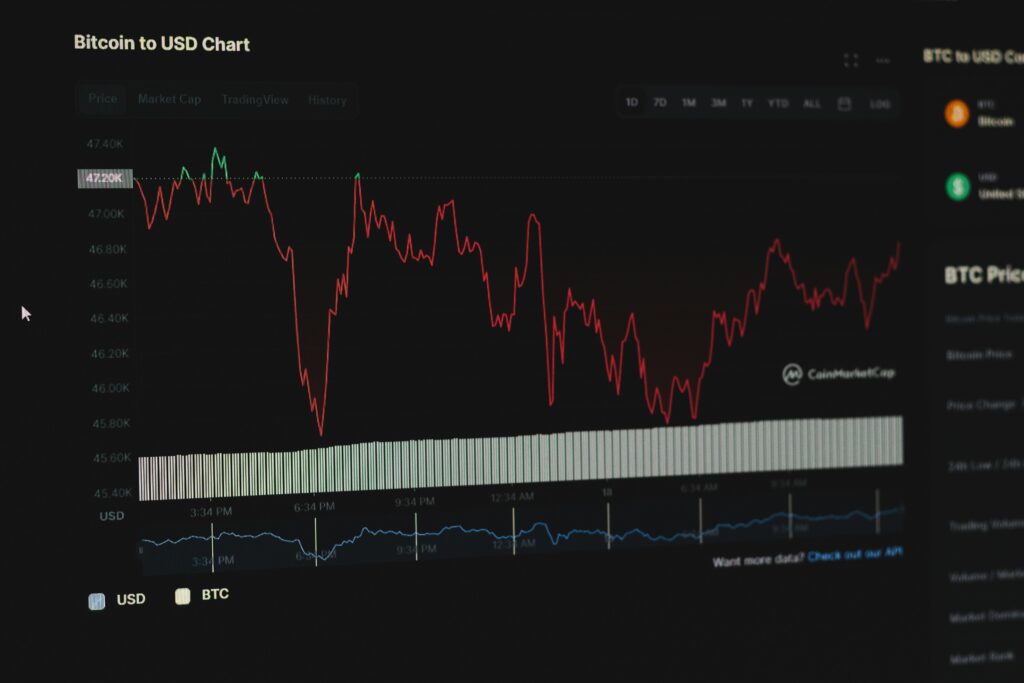
Global markets staged a tentative rebound, but analysts and investors warn that the recovery remains fragile. The theme of this week — markets rebound but remain fragile — captures both the optimism and underlying vulnerabilities sweeping through equities, currencies and commodities.
The Bounce-Back: What Happened
Following a sharp sell-off in the technology sector, global equity markets found footing and posted modest gains. The S&P 500 rebounded, the Dow Jones Industrial Average rose, and European indices followed suit. In Asia, several markets trimmed earlier losses. Reports from major outlets such as the Associated Press confirm that the short-term rally reflects improved earnings results and positive investor sentiment.
Yet despite the gains, the atmosphere is cautious. Traders remain wary of macro risks that could upset the recovery: tight monetary policy, geopolitical tensions, and valuation concerns in rapidly-growing sectors.
Fragile Foundations: Why the Recovery Looks Precarious
Several factors contribute to why markets rebound but remain fragile:
1. Tech Sector Slump and Valuation Pressure
High-flying tech stocks led the recent downturn. With concerns mounting around artificial intelligence hype, stretched valuations and profit margins, many investors took profits or tightened exposure. While the sector has shown some signs of stabilisation, it remains the main source of vulnerability.
2. Strong U.S. Dollar and Risk-Off Sentiment
The U.S. dollar’s continued strength is complicating the global picture. When the dollar appreciates, emerging markets, commodities and non-U.S. equities often suffer. Safe-haven currencies like the Japanese yen and Swiss franc have gained, underscoring investor caution. A strong dollar can also mean lower earnings for multinational firms and strain global debt.
3. Policy Uncertainty and Inflation Concerns
Central banks remain on alert for inflation and economic overheating. In the U.S., despite signs of softening labour markets, inflation continues to pose risks. Markets looking for rate cuts may be disappointed if central banks stick to hawkish rhetoric. The tension between wanting to support growth and controlling inflation is underpinning the “fragile” tag to the rebound.
4. Geopolitical and Trade Risks
From U.S.–China tensions to Middle East instability, geopolitical shocks continue to loom. Trade policy uncertainty and new regulatory moves (such as tariffs) could impose more strain on global supply chains and investor confidence.

What This Means for Investors
When markets rebound but remain fragile, investors should approach the recovery with nuance:
- Diversification is key: Don’t rely solely on growth-oriented stocks or high-beta sectors. Including defensive stocks, quality bonds or alternative assets can reduce risk exposure.
- Monitor macro indicators: Inflation readings, employment data, central-bank minutes and currency flows will be key in determining whether the rebound is sustainable.
- Watch earnings surprises: A string of disappointing results from tech or other growth names could trigger renewed weakness.
- Be cautious in emerging markets: Because of currency risk and strong dollar headwinds, emerging-market equities and debt may underperform.
- Focus on liquidity: When sentiment shifts, liquidity dries up quickly. Having dry powder (cash) allows you to act when volatility returns.
Regional Outlook and Implications
In the United States, the rally is supported by improving corporate earnings, but valuations remain high. In Europe, the rebound is weaker; many economies face structural issues such as slow growth and high debt. In Asia and emerging markets, the strong dollar and dollar-denominated debt are major risks. Commodities, especially oil and metals, are also vulnerable to a sustained dollar rally.
Looking Ahead: What Could Break the Recovery
Several trigger events could tip the recovery back into decline:
- A hawkish turn by the U.S. Federal Reserve or other major central banks.
- A major geopolitical shock or global conflict.
- A resurgence of inflation that forces the withdrawal of monetary stimulus.
- A collapse in valuations in the tech or AI sectors.
- A sharp currency depreciation in emerging markets, leading to debt stress.
The phrase “markets rebound but remain fragile” captures the current state of global finance. While the rebound is welcome, it is built on uncertain foundations. Investors, policymakers, and analysts should treat the rally with both optimism and caution — aware that the next phase may test the resilience of this recovery.
For further coverage, visit the FFRNews Finance Section or read full reports from Reuters