November 07, 2025
US Sniper Rifle Sale to Brazil has ignited a fierce debate across diplomatic and human rights circles after reports confirmed that the U.S. government approved a weapons deal to one of Brazil’s most lethal police units, despite warnings from American diplomats about potential human rights violations.
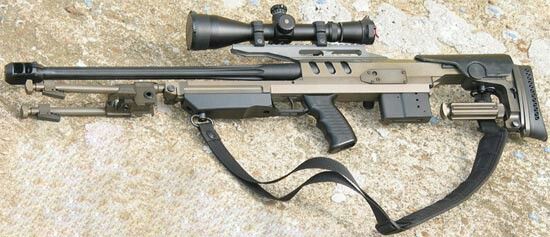
According to an exclusive investigation by Reuters, the elite Rio de Janeiro police unit known as BOPE (Batalhão de Operações Policiais Especiais) purchased 20 high-powered sniper rifles made by Georgia-based Daniel Defense LLC in 2023, under the administration of then-President Joe Biden. The rifles were delivered in 2024 — just months before a controversial raid that left 121 people dead, including four police officers.
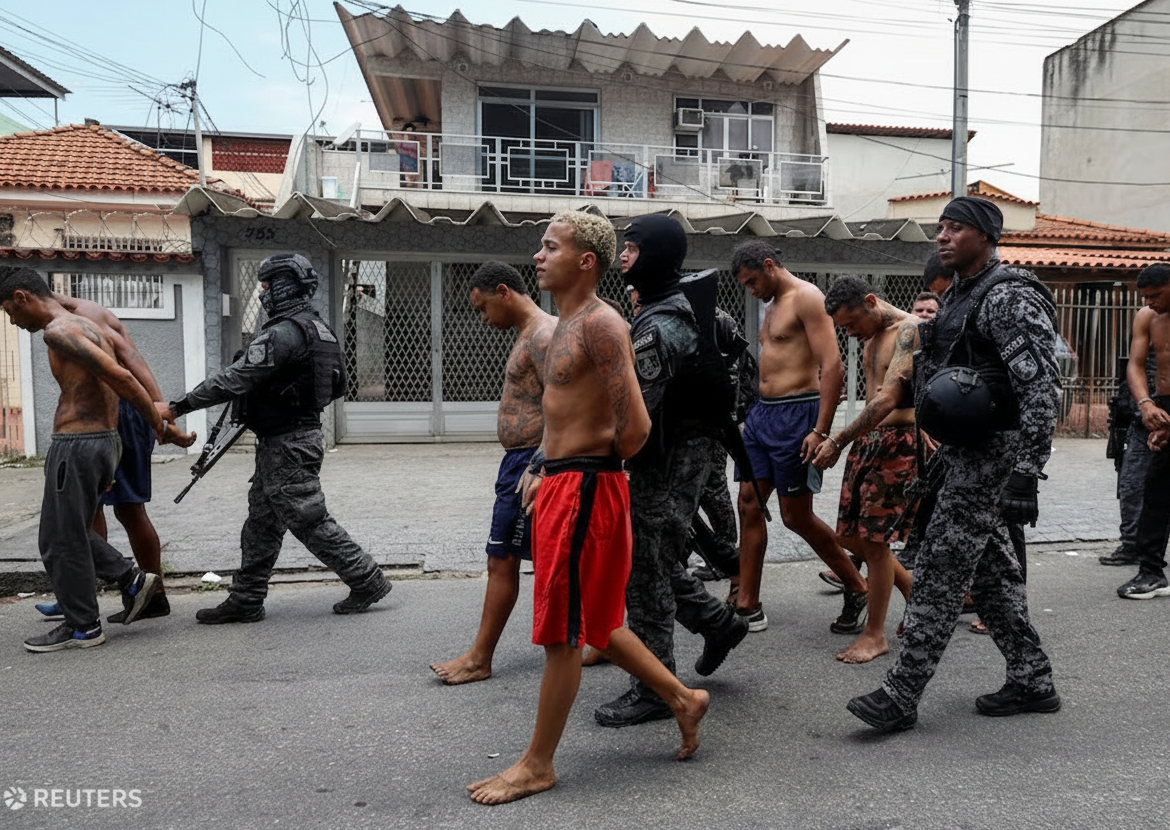
The operation, carried out last week in Rio’s Penha favela, was described as Brazil’s deadliest police raid in modern history. United Nations experts and human rights advocates quickly condemned the incident, calling for an independent investigation into potential extrajudicial killings.
Diplomatic Opposition Ignored
Documents reviewed by Reuters revealed that several U.S. State Department diplomats had opposed the weapons sale. Among them was Elizabeth Bagley, then U.S. ambassador to Brazil, who warned that BOPE had a long history of civilian killings. A January 2024 memo described the unit as “among the most notorious police divisions in Brazil in regard to killings of civilians.”
Despite these objections, the U.S. Commerce Department approved the export license — effectively overriding human rights concerns. The sale included suppressors produced by Wisconsin-based Griffin Armament, although those shipments were initially blocked before later being reconsidered under administrative pressure.
The deal, valued at around $150,000, was relatively small compared to other arms exports. However, it carried outsized geopolitical implications, reflecting deep divisions within Washington about how to balance security cooperation with human rights accountability.
Trump Administration Reversal
Adding to the controversy, the State Department under President Donald Trump later defended the transaction, rescinding earlier Biden-era restrictions on arms sales tied to human rights concerns.
In a statement, a State Department spokesperson told Reuters:
“The previous administration’s disastrous foreign policies aided and abetted our hemisphere’s most violent gangs. We remain committed to ensuring our partners have the tools needed to combat vicious criminals.”
The spokesperson further implied that the Biden administration had denied critical defensive equipment to “trusted partners” like Brazil’s security forces — even as those forces were tasked with protecting President Biden during the 2024 G20 Summit in Rio de Janeiro.
BOPE’s Record of Violence
BOPE, founded in 1978 to combat Rio’s powerful drug cartels, is known for its black-uniformed officers and skull-emblazoned insignia. While the unit is hailed by some Brazilians as a symbol of law and order, its operations are often characterized by extreme brutality, civilian casualties, and allegations of torture.
According to the Brazilian Public Safety Forum, Rio police — led by BOPE — were responsible for 703 civilian deaths in 2024 alone. Many of these killings were labeled as “resistance deaths,” a term critics say masks executions during police operations.
International observers argue that the U.S. government’s willingness to arm such units sends a dangerous signal. Amnesty International and Human Rights Watch have previously urged Washington to restrict sales of lethal weapons to Brazilian forces accused of human rights abuses.
The Vila Cruzeiro Massacre and Mounting Concerns
A January 2024 State Department memo cited BOPE’s involvement in the infamous “Vila Cruzeiro massacre” of 2022, where 23 individuals were killed during a single operation. The report argued that the event should have “tipped the scales” against further weapons approvals. Yet, bureaucratic and political pressure — reportedly from key U.S. congressional staffers — pushed the deal forward.
One of the most influential supporters of the sale was Ricardo Pita, a top Latin America policy adviser for the Republican-led House Foreign Affairs Committee. According to two U.S. officials, Pita personally lobbied diplomats to authorize both the rifle and suppressor shipments. He has since been appointed as Senior Adviser for Western Hemisphere Affairs at the State Department.
Sources told Reuters that Pita even inquired internally about which diplomats opposed the transaction, a move that raised ethical questions about retaliation and transparency within the department.
Human Rights vs. Security Priorities
The sale underscores a broader dilemma for the United States’ foreign policy — balancing support for allied security forces with commitments to human rights and accountability.
Critics note that by approving such deals, Washington risks undermining its credibility in Latin America, where accusations of hypocrisy have long shadowed U.S. diplomatic efforts. “You can’t claim to defend democracy and human rights while arming units that act outside the law,” said Marina Oliveira, a policy analyst at Human Rights Watch Brazil.
Still, support for BOPE remains high domestically. A 2025 AtlasIntel poll found that 55% of Brazilians approved of the deadly raid in Rio, with support rising to 62% among Rio state residents frustrated by rampant crime and drug violence.
BOPE officers, meanwhile, argue that they are fighting a war against heavily armed criminal factions, often outnumbered and under-resourced. In 2024 alone, 55 Rio police officers were killed in the line of duty.
The International Fallout
The United Nations has called for a formal inquiry into BOPE’s most recent operation, with special rapporteurs citing possible violations of international humanitarian law. Washington faces growing pressure from rights groups to review its arms export policies, particularly under the Trump administration’s more permissive approach.
At the same time, analysts warn that restricting exports could drive Brazil to source weapons from rival powers such as Russia or China, complicating U.S. strategic interests in the Western Hemisphere.
For further analysis of arms trade controversies and Latin American geopolitics, visit FFRNews Global Affairs. You can also read the original investigative report from Reuters for additional details.