Delhi Red Fort Blast has left India in shock after a devastating car explosion killed at least 13 people and injured more than 20 others near the historic Red Fort in New Delhi on Monday night. Authorities have invoked India’s Unlawful Activities (Prevention) Act (UAPA) — a stringent anti-terrorism law — as investigators probe the possibility of a coordinated or suicide attack.
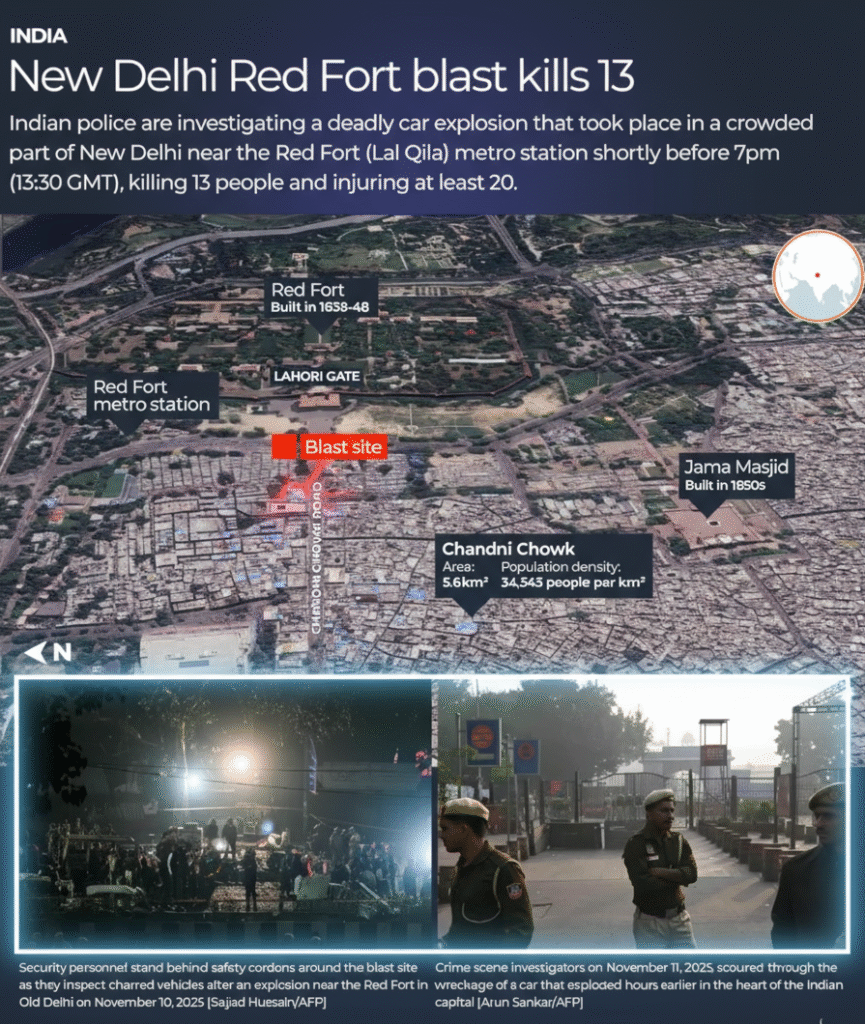
The explosion occurred at a congested intersection close to the Red Fort metro station, one of the busiest areas in the capital’s old quarter. The impact shattered windows, destroyed vehicles, and sent shockwaves across the city. Witnesses described scenes of chaos, screaming, and panic as emergency services rushed to contain the fire and rescue victims from burning cars.
The Incident: Chaos Near a National Symbol
Eyewitnesses reported that the blast originated from a moving Hyundai i20 vehicle that had stopped at a red light. “There was an explosion. The fire reached the top of the street lights,” said Kumar, one of the witnesses interviewed by Al Jazeera. “Ten to 12 cars were destroyed. The entire street was a mess and everyone was running.”
Shopkeeper Naveen Sharma, whose store is located near the site, told the Press Trust of India that “the blast shook all the shops,” sending goods flying off shelves. “We saw injured people crying and calling for help. Some were lying unconscious on the road,” he recalled.
Delhi Police Commissioner Satish Golcha later confirmed that the explosion occurred within the vehicle and damaged several surrounding cars. “A slow-moving vehicle stopped at a red light. An explosion happened in that vehicle, and due to the explosion, nearby vehicles were also damaged,” Golcha said.
Anti-Terror Law Invoked: UAPA Activated
Authorities have invoked the Unlawful Activities (Prevention) Act (UAPA), signaling that the explosion is being treated as a possible act of terrorism. The UAPA, enacted in 1967 and later amended in 2019, allows Indian security agencies to detain suspects for extended periods without charges.
While supporters argue that UAPA is essential for combating terrorism and cross-border crime, critics say the law is often misused to silence dissent. According to India’s Home Ministry data, the law has a conviction rate of only about 2%, raising questions about due process.
The decision to apply UAPA indicates the seriousness of the probe. The National Investigation Agency (NIA) and Intelligence Bureau (IB) have been called in to assist local police. Preliminary findings suggest the blast may have been triggered using improvised explosives, although officials have not ruled out the possibility of a suicide bomber.
Faridabad Connection: Terror Module Under Scrutiny
The Delhi explosion may be linked to a recent counterterror operation in Faridabad, a city 30 kilometers away. Indian media reports suggest that hours before the Red Fort blast, police in Faridabad uncovered a large cache of explosives and arrested two Kashmiri doctors suspected of ties to the Pakistan-based militant group Jaish-e-Mohammad.
Investigators believe the car involved in the Delhi blast may have been registered to one of these individuals. Both suspects are currently under interrogation as authorities trace the vehicle’s ownership history. “We are examining every lead, including possible links to previous terror networks,” said a senior Delhi police official.
Global Reactions: Solidarity and Condolences
World leaders have expressed shock and solidarity with India following the tragedy. Israel’s Foreign Minister Gideon Saar extended condolences to the victims, stating, “Israel stands with India in its fight against terror.”
China’s Foreign Ministry described the explosion as “deeply shocking” and conveyed sympathies to the families of the deceased. Leaders from Sri Lanka, Bhutan, and the Maldives also expressed grief, reaffirming regional unity against extremism.
The United States and the United Kingdom issued travel advisories urging their citizens to avoid crowded areas in Delhi, including Red Fort and Chandni Chowk. “We urge citizens to stay alert and follow local guidance,” the US Embassy said in a statement.
Witness Accounts: Stories of Horror and Loss
Many survivors and family members recounted their trauma after the explosion. “We saw someone’s hand on the ground — they were completely blown up,” said a man identified as Irfan, who was near the site. “I saw someone’s lungs and a car steering wheel completely damaged. I just can’t imagine how their families will deal with this.”
In the nearby city of Meerut, a grieving mother named Sajeeda told ANI, “I want justice for my son. He has small children.” Her son Mohsin, an e-rickshaw driver, had been working near the Red Fort at the time of the explosion.
Another victim, Ashok, was reportedly returning home from work when he was killed. “He has three children — two daughters and one son. How will my sister-in-law raise them?” asked his sister Bhuri, speaking to local media.
Political and Security Response
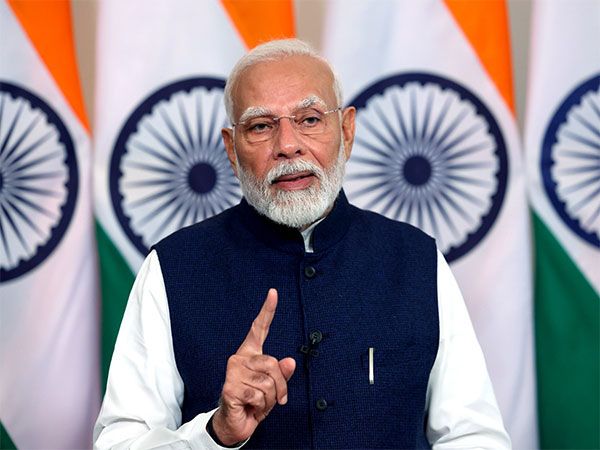
Prime Minister Narendra Modi, who was on an official visit to Bhutan, said he was “deeply anguished” by the attack and promised that those responsible would be brought to justice. Home Minister Amit Shah held an emergency security meeting with intelligence chiefs and directed all central agencies to coordinate their investigations.
The government has heightened security across major cities, including Mumbai and Lucknow. Railway stations, airports, religious sites, and public spaces have been placed on high alert. Rajasthan’s Chief Minister Bhajanlal Sharma also directed state police to operate in “full alert mode.”
Historical Context: The Red Fort’s Symbolism
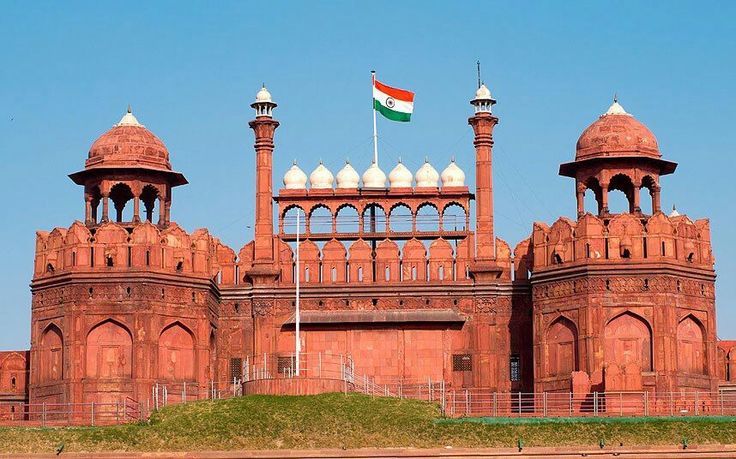
The Red Fort (Lal Quila) is not just a monument — it is a symbol of India’s national identity. Built in 1648 by Mughal Emperor Shah Jahan, the fort has witnessed centuries of India’s history, from colonial rule to independence. It was from the ramparts of this fort that Prime Minister Jawaharlal Nehru delivered his iconic speech on August 15, 1947, marking the end of British rule.
Every year since then, India’s Prime Minister has raised the national flag at the same site on Independence Day. The proximity of the explosion to such a historically significant landmark underscores the psychological and symbolic weight of this attack.
A Pattern of Violence: India’s Troubled History with Urban Attacks
Delhi and other Indian cities have faced several major bombings over the decades. In 2008, serial blasts in crowded markets killed 33 people. In 2011, a briefcase bomb outside the Delhi High Court claimed 15 lives. The Red Fort itself was targeted once before in December 2000 by Lashkar-e-Taiba militants.
Security analysts say the recurrence of attacks in high-profile urban areas underscores the persistent threat of radical networks operating across India’s borders.
The Road Ahead: India on High Alert
As investigators piece together the evidence, India remains on high alert. The use of a busy public area near a national landmark suggests careful planning and intent to spread fear. “This attack sends a clear message that urban terrorism remains a major challenge for India,” said security analyst Ajai Sahni.
Forensic teams continue to analyze debris from the site, and DNA samples from the remains found in the vehicle may provide clues to the identity of those responsible.
While no group has claimed responsibility so far, the invocation of UAPA means the investigation will be thorough and could span multiple states. As the capital mourns its dead, the nation braces for what may unfold next.
This report is based on information originally published by Al Jazeera, with additional analysis and context provided by FFR News.