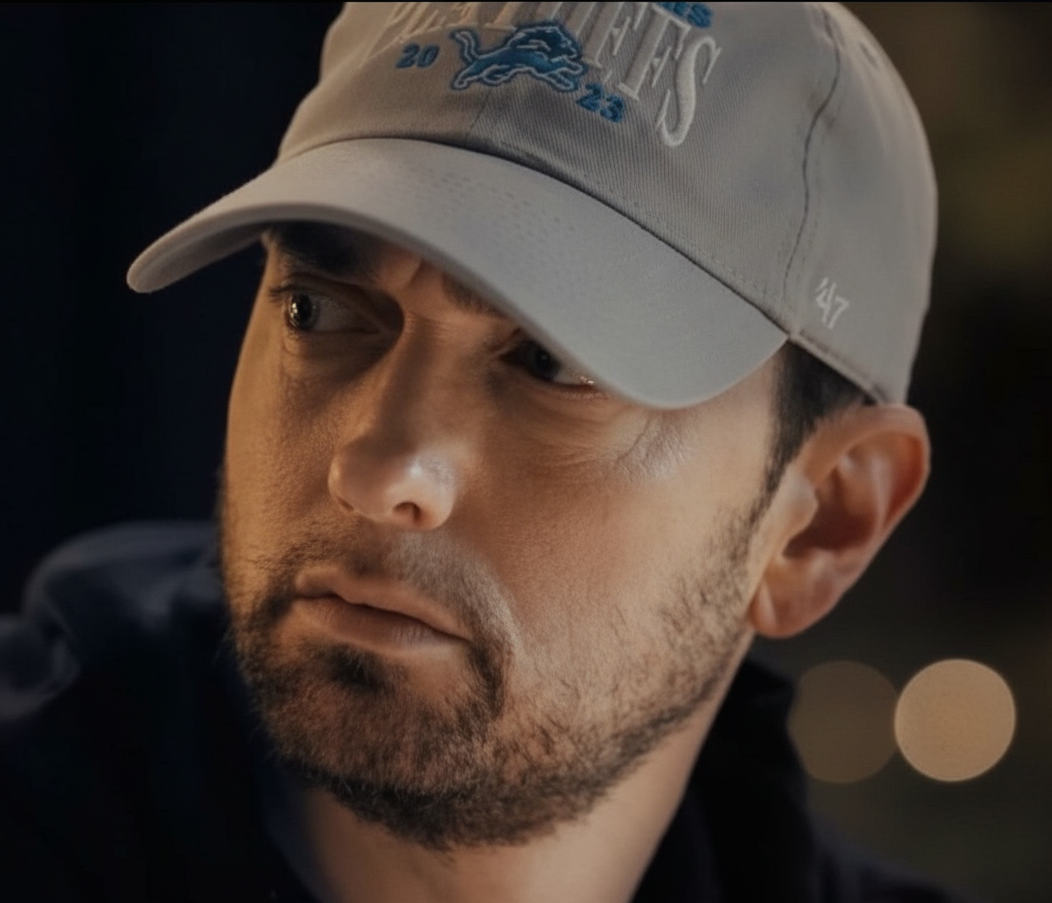
Eminem lawsuit has ignited a high-stakes global trademark dispute after the iconic rapper moved to cancel the trademark of the Australian beachwear startup Swim Shady. The rapper, known legally as Marshall B Mathers III, alleges that the brand’s name creates a false commercial association with his world-famous persona Slim Shady. The case has quickly gained international attention, raising fresh questions about branding, intellectual property, celebrity identity rights, and the boundaries of cultural influence in the digital era.
The legal fight traces back to September, when Eminem filed a petition with the United States Patent and Trademark Office requesting the cancellation of the Swim Shady trademark granted earlier this year. The dispute then expanded, with Eminem additionally launching an opposition case in Australia, arguing that the company’s branding leverages the fame of his alter ego to sell beach umbrellas, swim bags and accessories. As the deadline approaches for the Australian company to respond in the US, the confrontation has escalated into one of the most watched celebrity trademark battles of 2025.
Eminem Claims “False Association” With Slim Shady Identity
Court filings reveal that Eminem’s legal team argues the Swim Shady name intentionally mimics the Slim Shady trademark, which dates back to 1999 in the United States. Slim Shady is one of the rapper’s most recognizable identities, central to the branding of hit albums, merchandising and the global marketing of his music career.
The petition asserts that Slim Shady has become a “distinctive and famous” mark over more than two decades and that Swim Shady improperly capitalizes on the recognition and fame tied to the name. Eminem’s lawyers insist that the similarity between “Slim Shady” and “Swim Shady” is not coincidental and is likely to mislead consumers or create a false commercial connection.
This argument is built on decades of precedent in trademark law: fame increases the level of protection a mark receives. Because Slim Shady is deeply embedded in popular culture, Eminem’s team argues he holds the exclusive right to its commercial use — and anything resembling it.
How Swim Shady Responded To The Lawsuit
The Sydney-based company behind Swim Shady says it will fully defend its intellectual property and denies using Eminem’s name or reputation to market its products. The startup originally launched under the name Slim Shade before rebranding to Swim Shady in 2024. It now sells portable beach umbrellas, insulated bags, and other beach-related lifestyle products.
In a statement to the BBC, the company said:
“Swim Shady is a grass roots Australian company that was born out of a desire to produce stylish and effective sun shades and other items to protect from the harsh Australian sun.”
The business maintains that its brand identity is built on beach culture, not hip-hop culture, and that its use of the name is a creative expression unrelated to music or celebrity branding.
However, the timing and name similarities raise questions that the courts will ultimately need to resolve. Until the case concludes, Swim Shady says it cannot comment further due to legal constraints.
Why Eminem Filed His Australian Trademark So Late
A notable detail in the case is that Eminem only filed for the Slim Shady trademark in Australia in January 2025 — years after his first US filing and long after his career exploded globally.
This has created a complicated legal environment.
In Australia, the Swim Shady company registered its name in September 2023, well before Eminem submitted his Australian trademark application. Under Australian intellectual property law, priority often goes to whoever filed first, unless bad-faith intent or consumer confusion can be proven.
This timing mismatch may become a focal point of the legal dispute. Eminem’s team must prove that the Australian brand sought to benefit from his fame knowingly, despite the company’s seemingly legitimate registration history.
A Case That Reflects Growing Trademark Clashes With Celebrities
This case echoes several recent celebrity-related trademark battles in Australia and globally. The most notable comparison comes from last year, when an Australian court overturned an earlier ruling that pop star Katy Perry had infringed on the trademark of designer Katie Perry, who sold clothes under her birth name.
The Katy Perry case demonstrated that even globally famous figures can face legal hurdles in trademark disputes if small businesses establish legitimate prior use of similar names.
This history suggests the Eminem lawsuit could unfold in unpredictable ways. Courts may consider:
- Similarity of the marks
- Evidence of consumer confusion
- Timeline of registrations
- Commercial intent behind the names
- The cultural fame of Slim Shady versus the niche nature of Swim Shady
Both sides have leverage, meaning either outcome remains possible.

The Cultural Legacy Behind Slim Shady Strengthens Eminem’s Argument
Part of what makes this case so significant is the enduring cultural power of the Slim Shady persona. Since the late 1990s, Slim Shady has represented one of the most influential and recognizable identities in music. The alter ego helped launch Eminem into global superstardom, beginning with the Grammy-winning single “The Real Slim Shady” in 2000.
The name has long been associated with the rapper’s edgy lyrical style, rebellious imagery and distinctive personal branding. Eminem argues that such cultural weight makes the Slim Shady trademark exceptionally strong — strong enough that similar-sounding names in unrelated industries could still cause consumer confusion.
This foundation may play a crucial role in how the court interprets the significance of the overlap between Slim Shady and Swim Shady.
What Happens Next As The Deadline Approaches
Swim Shady has until next week to respond to the cancellation petition filed in the US. If the company fails to respond, the trademark could be cancelled by default. If it responds, the case proceeds to a full review that could take many months, including evidence submissions, legal briefings, and potentially hearings.
Meanwhile, Eminem’s separate challenge in Australia will proceed on its own timeline. Outcomes in one jurisdiction do not dictate outcomes in another, meaning two different legal results are possible.
Experts predict this case may become a benchmark for how courts navigate the intersection of celebrity identity, brand creativity and global commerce.
One outcome could reinforce celebrity control over similar-sounding marks. The other could strengthen the rights of small businesses with legitimate registrations. Either way, the ruling will influence how brands in entertainment, fashion, lifestyle and culture approach naming strategies in the future.
This report is based on information originally published by BBC News, with additional analysis and context provided by FFR News.