Updated by FFRNews on 18 November 2025
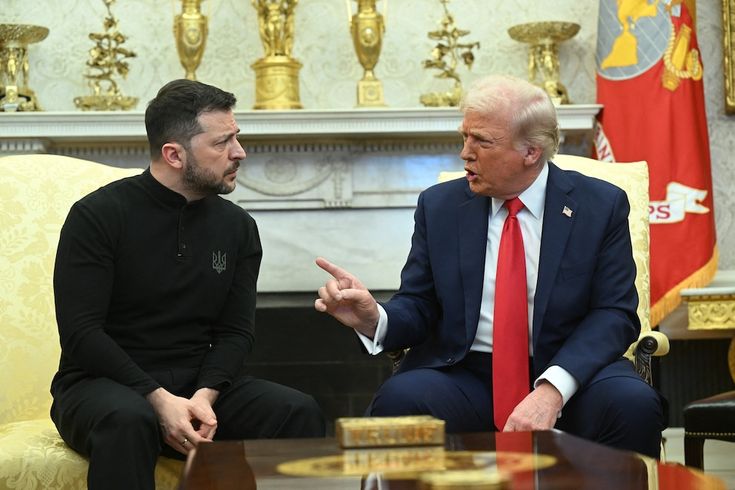
Ukraine peace talks progress has accelerated significantly this week as Kyiv pushes for President Volodymyr Zelensky to meet US President Donald Trump “at the earliest suitable date” in November. The move underscores Ukraine’s urgency to finalize the evolving peace framework that negotiators have been discussing in Geneva, amid fresh military escalations and political pressure from multiple sides.
Rustem Umerov, head of Ukraine’s security council, said that Kyiv and Washington have reached a “common understanding on the key terms of the agreement discussed” in earlier talks. Though the White House has not commented on the potential Trump-Zelensky meeting, momentum appears to be building behind the negotiations.
Yet even with this apparent Ukraine peace talks progress, major uncertainties remain. Russian objections, European counter-proposals, and continuing battlefield violence underline how fragile the diplomatic path still is.
Key Developments Driving Ukraine Peace Talks Progress
According to Umerov, Ukraine’s delegation “looks forward” to arranging Zelensky’s visit to the US to complete final steps of the peace agreement. A senior US official travelling with Army Secretary Dan Driscoll in Abu Dhabi suggested that Ukraine had already accepted the broad framework of the US plan, with only minor details pending.
However, the US administration later pointed reporters back to Secretary of State Marco Rubio’s statement in Geneva — that high-level discussions were still necessary and unresolved issues remained.
Although negotiators have reduced some of the disagreements within the 28-point US peace plan, the gap between what Russia and Ukraine can accept remains substantial. Moscow, in particular, is seen as highly unlikely to approve concessions that Kyiv considers essential.
European Counter-Proposals and Their Impact on Ukraine Peace Talks Progress
European allies — specifically the UK, France, and Germany — reportedly drafted counter-proposals after expressing concern that the initial US plan tilted too heavily in Russia’s favor. Those counter-drafts:
- Refused recognition of Russian-held regions
- Proposed allowing Ukraine a larger army
- Did not rule out future NATO membership
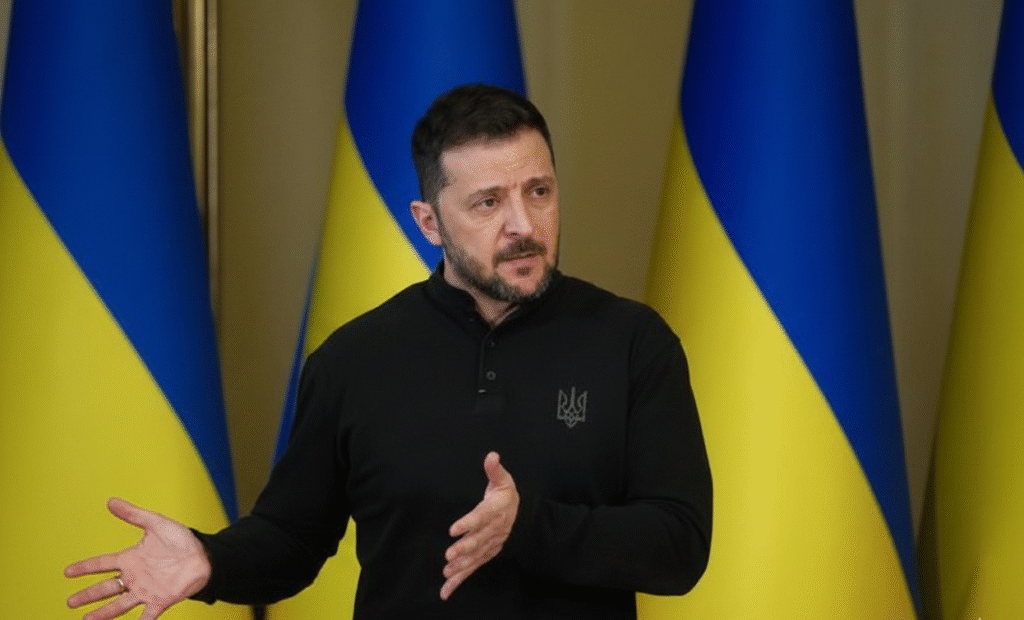
Zelensky welcomed these revisions, calling them “correct” and saying they made the peace framework “doable.”
But the Kremlin rejected the European amendments as “completely unconstructive.” Moscow insists that any agreement must follow the “spirit and letter” of the Alaska talks held in August between Trump and President Vladimir Putin.
Russia Responds as Ukraine Peace Talks Progress Faces Obstacles
Russian Foreign Minister Sergei Lavrov claimed Russia had not yet received the updated “interim version” of the plan. Moscow has consistently pushed for full Ukrainian withdrawal from the eastern Donbas region — including Donetsk and Luhansk — and maintains control over Crimea as well as parts of Kherson and Zaporizhzhia.
This creates a core contradiction: Ukraine refuses to legitimize Russian gains, while Russia demands legal recognition of what it calls irreversible “new realities.” This is the central obstacle to genuine Ukraine peace talks progress.
Overnight Strikes Threaten the Ukraine Peace Talks Progress
Even as diplomatic efforts intensified, Russia and Ukraine exchanged heavy missile and drone attacks late Monday into Tuesday.
According to Zelensky:
- 22 missiles and over 460 drones were launched at Ukraine overnight
- Fires broke out in two residential high-rise buildings in Kyiv
- At least six civilians were killed
Russia’s defense ministry claimed it intercepted 249 Ukrainian drones overnight, including over the Black Sea and the border region of Kursk. At least three people reportedly died in Russia’s Rostov region.
These renewed attacks illustrate the urgency behind the diplomatic push — but they also risk undermining Ukraine peace talks progress by inflaming public and political pressure.
Wider International Reactions to Ukraine Peace Talks Progress
A virtual meeting of European allies — described by the UK as a “coalition of the willing” — convened Tuesday to assess the situation. UK Prime Minister Sir Keir Starmer said the final peace plan must prevent future Russian aggression and insisted Moscow should “definitely not” be allowed to rejoin the G8.
Starmer also held what Zelensky called a “good and very productive” conversation earlier in the day regarding the talks.
Meanwhile, Trump said that “something good may be happening,” but warned: “Don’t believe it until you see it.”
What the Ukraine Peace Talks Progress Means Now
Despite the complexities, the pace of negotiations is faster than at any point in the last two years of the war — a sign that all sides feel pressure to move toward resolution.
Still, the fundamental issues remain highly contentious:
- Territorial recognition
- Security guarantees
- Ukraine’s future military capacity
- NATO membership
- Russia’s place in the global economy
Whether the forthcoming Trump-Zelensky meeting can finalize a plan is uncertain, but the momentum suggests that Ukraine peace talks progress is entering a decisive phase — with enormous implications for the war, Europe’s security, and global geopolitics.
For Further Coverage
Read more about global political developments on FFR News. and follow continuing updates from BBC News for global reporting on the Russia-Ukraine conflict and peace negotiations.