
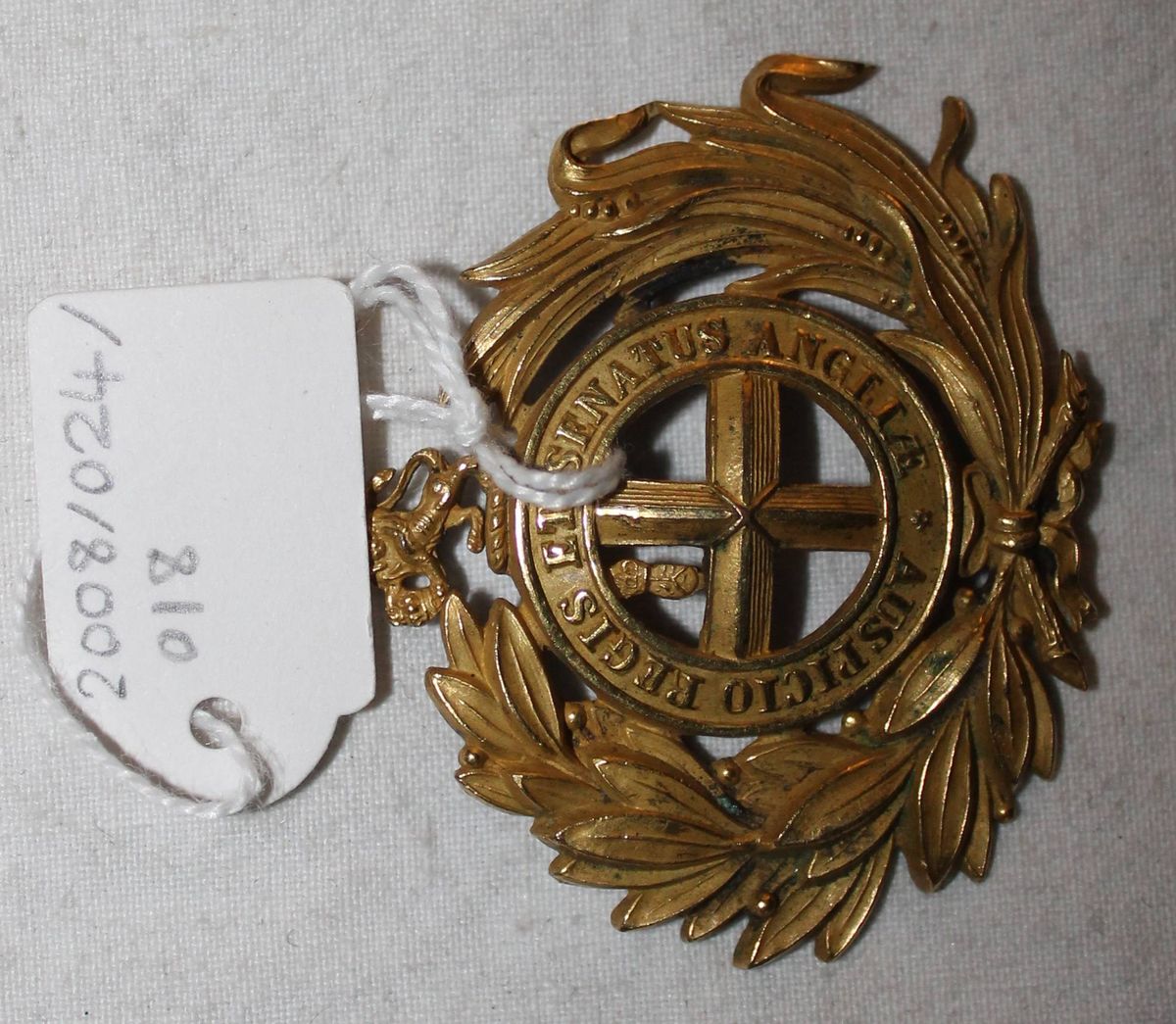
High-Value Museum Raid: Over 600 Artefacts Stolen from Bristol
Cultural Crime and Loss: The Unprecedented High-Value Museum Raid at Bristol
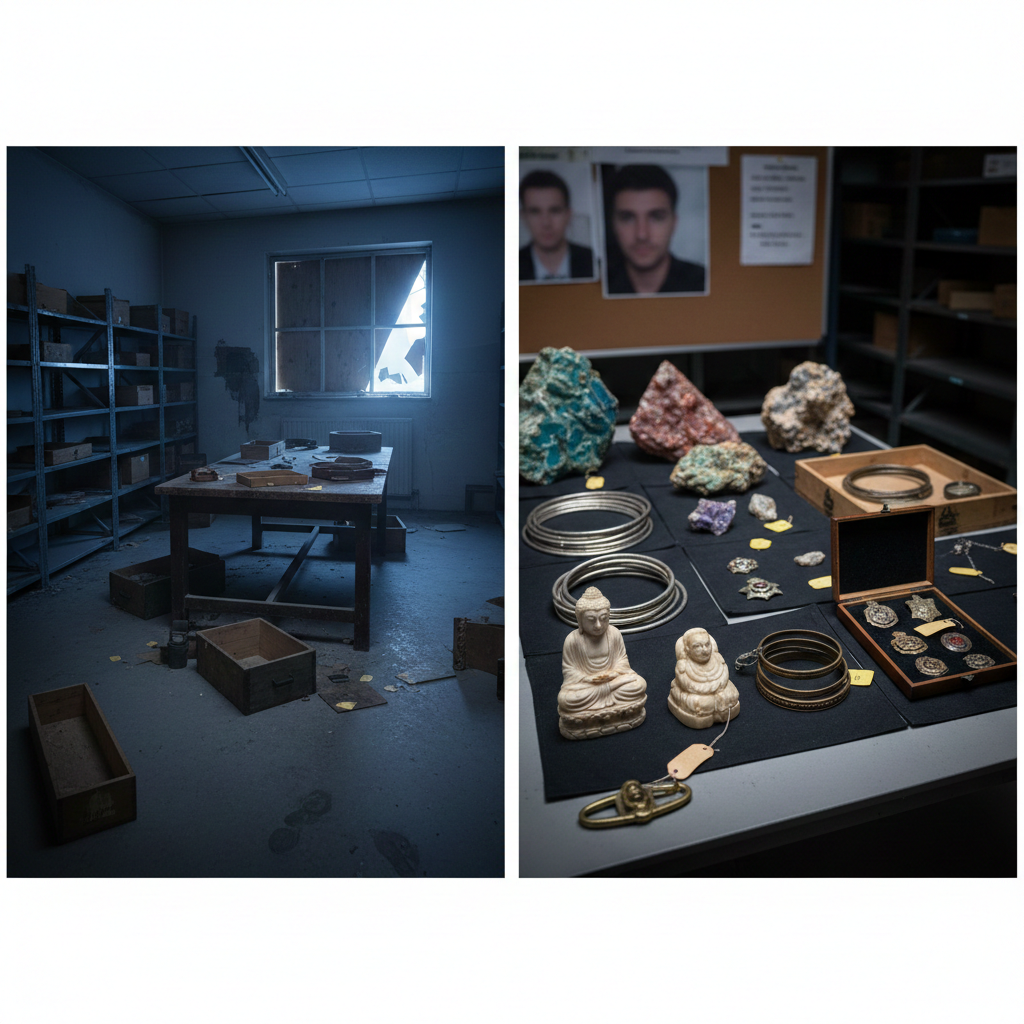
The world of cultural heritage protection was rocked by the news of a stunning and significant theft: a high-value museum raid on the archives of Bristol Museum. Over 600 artefacts of immense cultural, historical, and monetary value were meticulously targeted and stolen, representing a devastating loss for the city of Bristol and the study of British and Commonwealth history. This crime, which took place in the early hours of September 25th at the Cumberland Basin archive facility, has prompted a major police investigation and raised serious questions about the security protocols surrounding invaluable public collections. The brazen nature and sheer scale of the theft suggest a professional, well-planned operation, underscoring the lucrative and sinister global trade in illicit antiquities.
The stolen items are not mere objects; they are tangible links to a complex and often challenging chapter of global history—the British Empire. Among the more than 600 missing pieces are military memorabilia, intricate jewellery, natural history specimens, and a disturbing number of carved ivory, bronze, and silver figurines. Police have acknowledged the profound impact of this loss, stressing that these artefacts offered a critical “insight into a multi-layered part of British history.”
I. Anatomy of the Crime: The High-Value Museum Raid Details
The archive facility in the Cumberland Basin, a storage and study area distinct from the main Bristol Museum exhibition halls, became the target of this audacious crime. This location choice is highly suggestive, as archive facilities often hold larger quantities of less-displayed, yet equally valuable, items, sometimes with different security levels than public-facing galleries.
A. Timeline and Initial Findings
The theft is reported to have occurred in the early hours of September 25th. However, a city council spokesman later revealed that the public appeal was strategically delayed. This delay was necessary to allow detectives to undertake “thorough initial inquiries,” including forensic analysis and “significant” CCTV examinations, and, critically, for archive staff to conduct a painstaking audit of thousands of items to confirm precisely what was missing. This audit itself speaks to the volume and scope of the collection, highlighting the monumental task of cataloging the loss from such a high-value museum raid.
B. The Modus Operandi
The fact that over 600 items were stolen indicates the thieves likely spent a considerable amount of time inside the facility and possessed intimate knowledge of the archive’s layout and the location of the most sought-after pieces. This was not a smash-and-grab targeting random items but a selective operation focused on “high-value” and culturally significant pieces. The collection targeted—part of the museum’s British Empire and Commonwealth collection—suggests a specific demand for these historical objects in the black market.
C. The Police Appeal and Suspects
Avon and Somerset Police immediately launched a major investigation. Detective Constable Dan Burgan emphasized the cultural significance of the stolen artefacts and appealed to the public for assistance. CCTV footage from the area yielded images of four men police are keen to identify and speak to in connection with the high-value museum raid.
- Suspect One: Medium to stocky build, wearing a white cap, black jacket, light-coloured trousers, and black trainers.
- Suspect Two: Slim build, wearing a grey, hooded jacket, black trousers, and black trainers.
- Suspect Three: Wearing a green cap, black jacket, light-coloured shorts, and white trainers. Notably, this individual appeared to walk with a slight limp in their right leg.
- Suspect Four: Large build, wearing a two-toned orange and navy or black puffy jacket, black trousers, and black and white trainers.
All four men are described as being white. Police have urged anyone who recognizes these individuals or who may have seen items matching the description of the stolen artefacts being offered for sale online to come forward immediately.
II. The Stolen Collection: An Invaluable Historical Record
The true tragedy of this high-value museum raid lies in the nature of what was lost. The British Empire and Commonwealth collection documents the profound and enduring links between Britain and the countries that were formerly part of its vast empire, spanning from the late 18th Century to the late 20th Century.
A. Key Artefacts Stolen
Among the 600+ items, specific categories have been highlighted:
- Military Memorabilia: This includes historical military badges, pins, and a specific item—a belt buckle—from a uniform of the East India Company. The East India Company’s role in the establishment and administration of the British Empire in South Asia makes these items of pivotal importance to scholars.
- Figurines and Carvings: The theft of a carved ivory Buddha figurine confirms the high cultural value and artistic detail of the targeted pieces. The loss of other carved ivory, bronze, and silver figurines represents a blow to the museum’s representation of global decorative arts. The trade in ivory, legal and illegal, is a persistent problem, adding a layer of ethical complexity to this crime.
- Jewellery: Necklaces, bangles, and rings were among the missing items. These pieces often serve as essential ethnographic material, offering insights into the social structures, material culture, and artistic traditions of the people from whom they originated.
- Natural History: Geological specimens were also taken. While seemingly less valuable than gold or carved figures, these specimens are often irreplaceable scientific and educational tools, contributing to the understanding of Earth’s history and natural resources.
Philip Walker, head of culture and creative industries at Bristol City Council, articulated the sentiment shared across the heritage sector, expressing that he was “deeply saddened.” He stated, “The collection is of cultural significance to many countries and provides an invaluable record and insight into the lives of those involved in and affected by the British Empire.”
III. The Broader Context of Illicit Antiquities and Museum Security
The high-value museum raid at Bristol is a sobering reminder of the persistent and sophisticated threat posed by the global illicit antiquities trade. This is a multi-billion dollar criminal enterprise often tied to organized crime networks, and it thrives on the demand from private collectors and individuals willing to purchase items with dubious or non-existent provenance.
A. The Black Market for Stolen Heritage
The targeted nature of the Bristol theft suggests the items were stolen to fulfil a specific order or to be sold through clandestine channels. The black market relies on stolen historical documentation being stripped from the objects, making it nearly impossible to trace them once they disappear into private hands. Items associated with colonialism, such as the East India Company pieces, often carry a heightened, albeit controversial, value for certain collectors.
B. The Ethics of Collecting and Repatriation
This incident also reignites the ongoing global debate about the provenance and ownership of colonial-era collections. Many of the artefacts in the British Empire and Commonwealth collection were acquired during a period of imperial expansion. This high-value museum raid, while a criminal act, ironically focuses attention on the history of these objects. For source communities in countries formerly part of the British Empire, the loss is twofold: first, the original loss of the items from their homelands, and second, the loss of access to them through a public, educational institution. The theft underscores the responsibility museums bear in acting as custodians for items that are, by their nature, of global heritage.
IV. Securing the Past: Future Challenges for Museums
The scale of the theft necessitates a comprehensive review of security procedures for cultural institutions, particularly those with vast, off-site archive storage. While funding for public cultural institutions is often constrained, the economic and social cost of a successful high-value museum raid far outweighs the investment needed for robust security measures.
A. Digital Preservation as a Mitigating Factor
One crucial step in protecting heritage is the rigorous digitization of collections. High-resolution imaging, 3D scanning, and detailed documentation are vital tools. While digitization cannot prevent theft, it provides an invaluable record for police, customs agencies, and Interpol (International Criminal Police Organization), making it significantly harder for thieves to fence the stolen goods. The audit process after this raid would have been impossible without an existing, detailed catalogue.
B. The Role of the Public and the Art Crime Community
Interpol maintains a database of stolen works of art, and specialized units within police forces worldwide focus on art and antiquity crime. However, the first line of defense often falls to the public and the legitimate art market. Galleries, auction houses, and online marketplace operators have a moral and legal obligation to conduct rigorous provenance checks. The police appeal for people to report items being sold online highlights the critical role of informed citizens in combating the trade.
V. Conclusion: Seeking Justice and Cultural Restoration After the High-Value Museum Raid
The high-value museum raid at the Bristol Museum archive is more than just a large-scale robbery; it is an attack on public history and shared global heritage. The loss of over 600 items tears holes in the historical narrative that the collection was built to preserve and present to the public. The artefacts—from the East India Company buckle to the carved Buddha—represent essential windows into the past, documenting complex human interactions across continents and centuries.
As Avon and Somerset Police continue their extensive investigation, the focus remains on identifying the four men captured on CCTV and, more importantly, recovering the stolen items before they disappear permanently into the murky depths of the global black market. The museum and the city council have demonstrated their commitment to justice by cooperating fully with the police and undertaking the immense task of auditing the loss. The hope is that through public vigilance and dedicated police work, these invaluable pieces of history can be returned to their rightful place as educational and cultural resources for future generations.
External Sources Links (To be placed at the end of the WordPress post)
https://www.museumsassociation.org/campaigns/museum-ethics/ (Example: linking to the Museums Association for ethical context)
Avon and Somerset Police Official Statement on the Bristol Museum Archive Theft (Placeholder for actual press release link)
Bristol City Council Official Statement Regarding Museum Security and Losses (Placeholder for actual council statement)
The East India Company: A History (A reputable historical source link, e.g., British Library or a university history department)
https://www.bl.uk/onlinegallery/features/eastindiacompany/index.html
INTERPOL Works of Art Database (General link for reference on stolen art)
https://www.interpol.int/en/Crimes/Works-of-art-crime/Stolen-Works-of-Art-Database
The Importance of Museum Archives in Preserving History (Link to a scholarly article or museum association publication)