
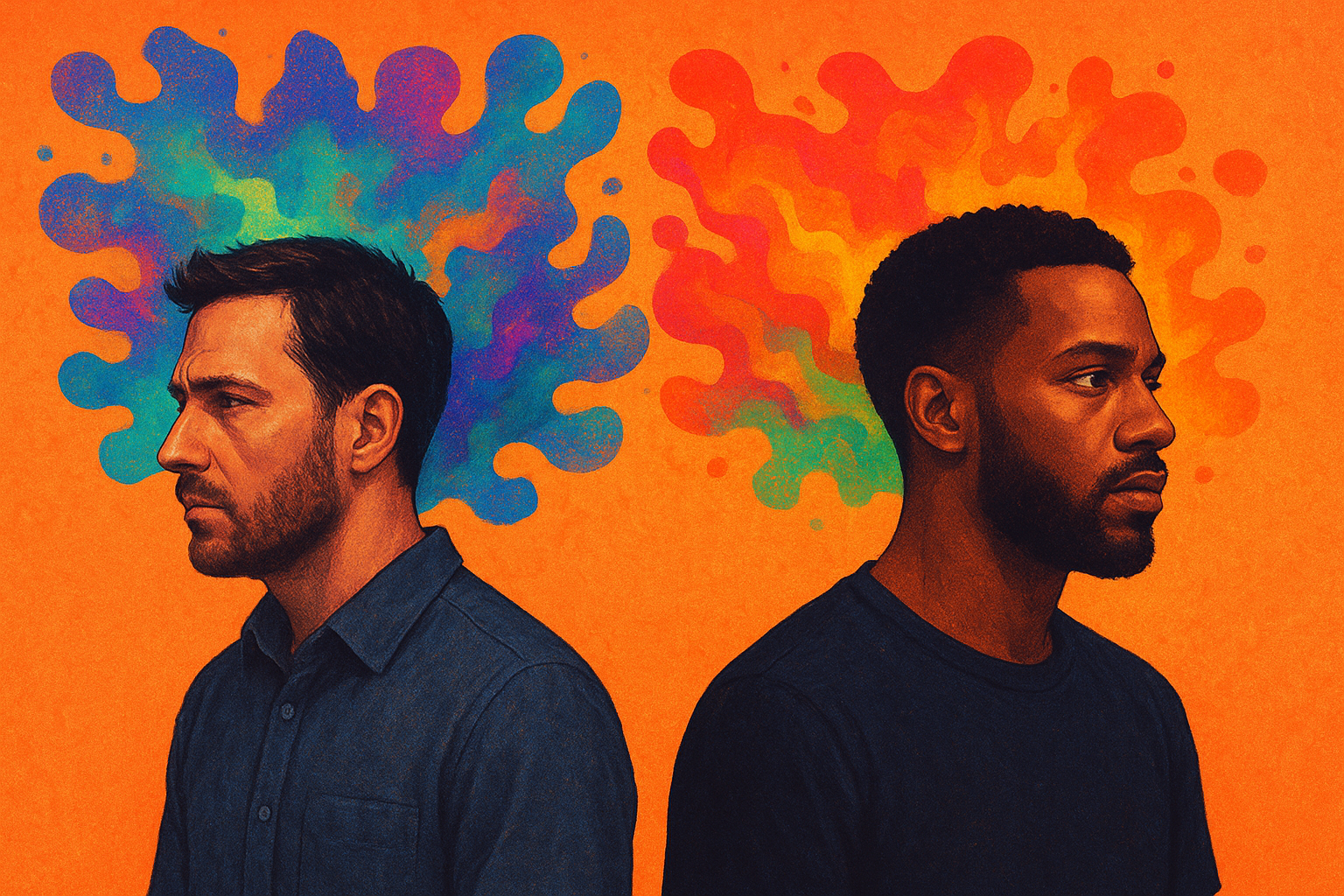
Psychedelics and identity are increasingly becoming intertwined in modern psychological research, therapy, and deeply personal self-exploration. Once relegated to the fringes of counterculture, substances like psilocybin, MDMA, ketamine, and ayahuasca are now being examined for their ability to unlock hidden dimensions of the human self — including aspects of gender, sexuality, emotion, and identity that many people have never consciously explored.
Across clinical trials, therapeutic settings, and personal testimonies, a compelling pattern is emerging: psychedelics do not impose new identities on people. Instead, they appear to dissolve rigid mental frameworks, allowing individuals to encounter parts of themselves long obscured by social conditioning, fear, or shame.
This growing body of evidence raises profound questions about how identity is formed, how flexible it truly is, and whether modern society has underestimated the role of consciousness in shaping who we believe ourselves to be.
Psychedelics and Identity: Opening Doors to the Inner Self
At the heart of psychedelic research lies a simple but powerful idea: consciousness is not fixed. Psychedelic substances temporarily alter the brain’s default mode network — the system responsible for self-referential thinking, ego boundaries, and deeply ingrained beliefs.
When this network quiets, people often report experiences of emotional clarity, self-acceptance, and psychological openness. For some, that openness extends to questions of identity that may have been suppressed for decades.
Mental health researchers describe psychedelics as “non-specific amplifiers.” They do not dictate what someone will feel or discover; rather, they magnify what already exists beneath the surface.
This distinction is critical when discussing psychedelics and identity, particularly around sensitive topics like sexual orientation and gender expression.
A Life Reconsidered: When Self-Understanding Arrives Late
One of the most striking examples comes from participants in controlled psychedelic studies involving religious professionals. Several individuals who had lived conventional lives for decades reported unexpected emotional insights during and after psilocybin sessions.
These experiences were not sudden transformations but gradual awakenings. Participants described feeling more emotionally open, less constrained by fear, and more willing to trust intuition and bodily awareness.
In some cases, this openness eventually led to the recognition of romantic or emotional attractions that had previously felt inaccessible — not because they did not exist, but because acknowledging them felt impossible within earlier psychological frameworks.
Crucially, participants emphasized that psychedelics did not “change” who they were. Instead, they felt the substances helped remove internal barriers that had prevented honest self-reflection.
The Science Behind Psychedelics and Identity Exploration
Modern neuroscience offers insight into why these experiences occur. Psychedelics increase neural plasticity — the brain’s ability to form new connections. This heightened plasticity allows people to temporarily step outside rigid narratives about themselves.
A landmark study from Johns Hopkins University found that individuals who underwent psilocybin sessions reported lasting increases in openness — a core personality trait associated with curiosity, imagination, and tolerance for ambiguity.
Openness, psychologists note, plays a crucial role in identity exploration. It enables people to sit with uncertainty rather than immediately rejecting unfamiliar thoughts or emotions.
When applied to gender or sexuality, this openness can feel revelatory.
Sexuality Beyond Fixed Categories
For decades, sexuality has been framed as either fixed or fluid, often polarizing public debate. Research into psychedelics and identity suggests a more nuanced reality.
In survey-based studies involving hundreds of psychedelic users, a significant minority reported heightened attraction to genders they were not typically drawn to. These shifts were not universal, nor were they permanent for everyone.
Researchers caution against interpreting these findings as evidence that psychedelics “alter” sexual orientation. Instead, they appear to create a psychological environment where individuals feel safe enough to explore feelings that may have long existed but were socially discouraged.
As one psychologist involved in this research explained, psychedelics often help people “remember who they were before social conditioning taught them who they should be.”
Psychedelics and Identity Beyond Gender
Gender identity exploration represents another area where psychedelic experiences have proven impactful.
Some individuals report feeling temporarily free from gender during psychedelic states — describing themselves as pure consciousness, energy, or awareness. Others experience embodiment across genders or a sense of existing beyond binary categories altogether.
These experiences can be deeply affirming rather than destabilizing. Many participants say they return with a clearer understanding of their identity, whether that means reaffirming their existing gender or embracing a more fluid or non-binary sense of self.
Importantly, these realizations do not arise in a vacuum. They often reflect long-standing internal questions finally given space to surface.
Therapeutic Applications and Ethical Safeguards
As interest in psychedelics grows, clinicians emphasize the importance of context. Psychedelic-assisted therapy is not about inducing identity shifts but about providing a structured, supportive environment for self-exploration.
Licensed therapists trained in integration work help individuals process insights after sessions, ensuring that discoveries are understood, grounded, and emotionally safe.
Experts warn strongly against unsupervised experimentation. Psychedelics can surface difficult emotions, including fear, grief, or trauma. Without preparation and support, these experiences can feel overwhelming.
This is why most clinical protocols emphasize screening, intention-setting, and post-session integration as essential components of ethical practice.
When Identity Insights Challenge Relationships
Discoveries related to psychedelics and identity do not occur in isolation. When one person’s self-understanding shifts, it can affect families, friendships, and romantic relationships.
Therapists report that couples sometimes struggle when one partner begins exploring new dimensions of identity. In supportive environments, however, psychedelic-assisted therapy has helped partners communicate with greater empathy and emotional softness.
Rather than creating conflict, these experiences can foster honesty and deeper connection — provided all parties feel heard and respected.
Healing Identity-Based Trauma
For many LGBTQ+ individuals, identity exploration is inseparable from trauma. Decades of stigma, rejection, and internalized shame can profoundly affect mental health.
Emerging therapeutic programs are using ketamine-assisted group therapy to address identity-based trauma directly. Early pilot studies show promising reductions in depression, anxiety, and internalized stigma, alongside increased self-compassion and emotional resilience.
Participants describe these sessions as deeply affirming — not because they redefine identity, but because they dismantle harmful beliefs about worth, belonging, and legitimacy.
The Limits and Risks of Psychedelics
Despite their promise, psychedelics are not universal solutions. Researchers emphasize that adverse experiences are common, including fear, sadness, and emotional vulnerability.
Psychedelics are also not suitable for individuals with certain psychiatric conditions, and legal restrictions remain in many regions.
Responsible research stresses humility: psychedelics are tools, not cures. Their value lies in facilitating insight — not dictating outcomes.
The Deeper Question Psychedelics Raise
At their core, discussions about psychedelics and identity return to one fundamental human question: Who am I, beneath expectation and fear?
For some, psychedelics illuminate that answer gently. For others, they pose new questions rather than providing certainty. But in nearly all cases, participants describe an increased sense of self-acceptance.
Rather than fragmenting identity, these experiences often integrate it — allowing people to hold complexity without shame.
As research expands and social attitudes evolve, psychedelics may not redefine identity itself, but they are undoubtedly reshaping how we understand the process of becoming.
For further coverage
- For further innovative news follow FFRNews Innovation Read more on BBC Science & Health