Iran protests deaths have been publicly acknowledged for the first time by the country’s supreme leader, marking a rare admission amid weeks of violent unrest and an ongoing information blackout.
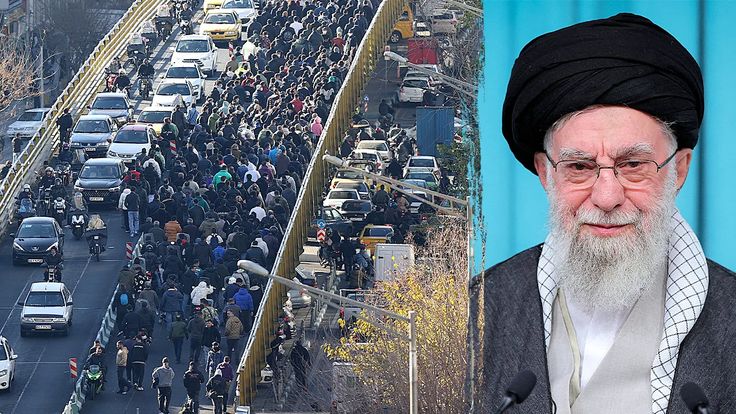
In a speech delivered on Saturday, Ayatollah Ali Khamenei confirmed that thousands of people were killed during recent protests across Iran, describing some of the deaths as occurring in an “inhuman, savage manner.” The comments come as international pressure mounts over Iran’s handling of demonstrations that began in late December.
Supreme Leader Breaks Silence on Protest Deaths
Khamenei’s remarks represent the first official acknowledgment from Iran’s highest authority regarding the scale of casualties. He blamed the deaths on what he called “seditionists,” echoing the government’s long-standing claim that the protests were driven by foreign-backed unrest.
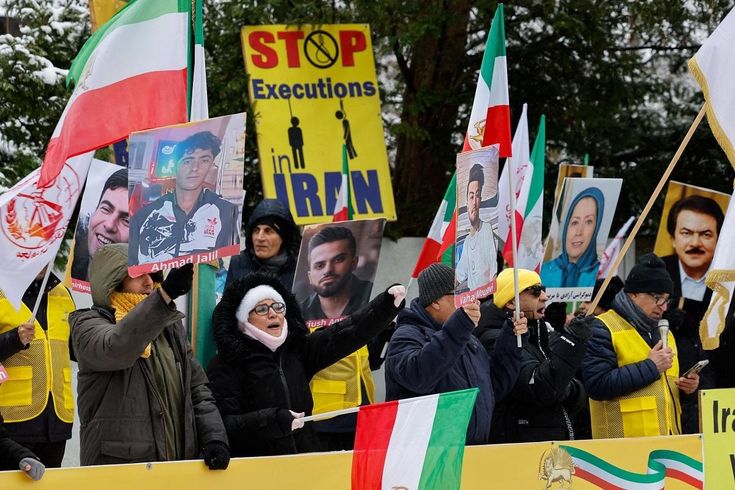
According to the US-based Iranian Human Rights Activists News Agency (HRANA), at least 3,090 people have been killed since demonstrations began on 28 December, initially sparked by economic grievances.
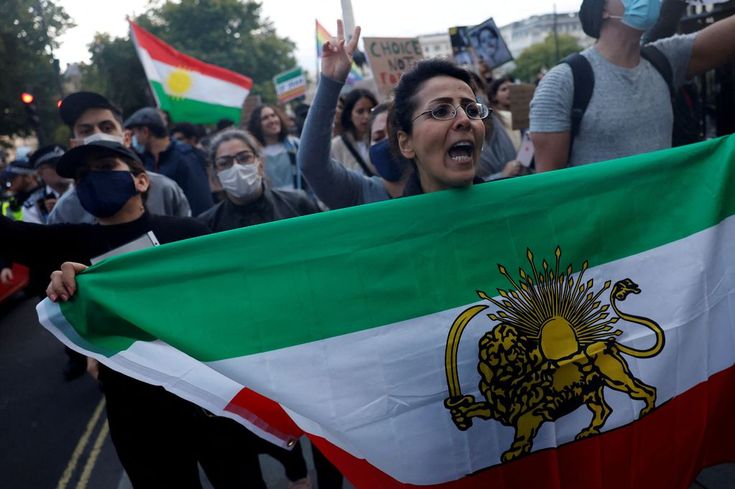
The Iranian government has previously referred to the demonstrations as “riots,” while activists say the movement has evolved into widespread calls for political change and an end to supreme leader rule.
Protests Met With Deadly Force
Video evidence authenticated by BBC Persian and BBC Verify shows security forces firing live ammunition at demonstrators in multiple cities. Protesters have been met with mass arrests, shootings, and aggressive crowd-control tactics, with security forces deploying armoured vehicles and heavily armed units to disperse crowds. Eyewitnesses have reported security personnel entering neighbourhoods at night, conducting door-to-door raids and detaining suspected protest organisers, further deepening fear among residents. Hospitals and medical clinics are also said to be under heavy surveillance, with injured protesters reportedly afraid to seek treatment.
Although reports of unrest have slowed in recent days, independent verification remains difficult due to severe communication restrictions. Internet monitoring group NetBlocks reported that nationwide connectivity dropped to around 2% of normal levels, effectively cutting off the flow of information from inside the country. Activists say the blackout has isolated communities, prevented families from locating detained relatives, and limited the ability of journalists and rights groups to document ongoing abuses.
Internet Blackout Obscures Full Picture
The near-total internet shutdown has made it extremely difficult to assess the current situation on the ground. Journalists and rights groups say the blackout has hampered emergency response, reporting, and accountability.
While Iranian authorities claim stability has returned, observers caution that limited information does not necessarily reflect calm, but rather a lack of visibility.
Escalating Rhetoric Between Iran and the US
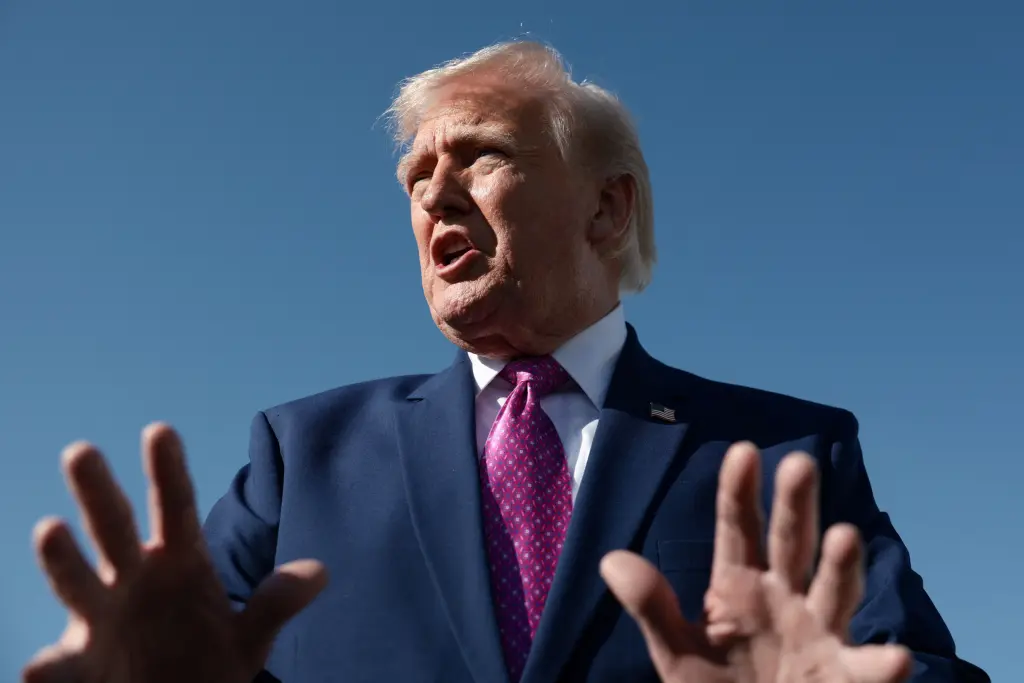
During his speech, Khamenei also accused the United States of fueling unrest, calling President Donald Trump a “criminal” and claiming America’s goal was to “swallow Iran.”
Trump has not yet responded directly, though the US State Department said it had received reports suggesting Iran may be preparing options to target American military bases in the region. US officials warned Tehran that any such move would be met with “a very, very powerful force.”
Earlier this week, the US and UK reduced personnel at the Al-Udeid air base in Qatar as a precautionary measure.
Regional Tensions Remain High
Trump previously said he had been informed that the killings had stopped but stressed that military action had not been ruled out. The situation has raised fears of a broader regional escalation, especially as diplomatic channels appear strained.
Human rights groups continue to call for an independent international investigation into the deaths, warning that accountability remains unlikely without external pressure.
This report is part of FFRNEWS World & Middle East coverage, tracking major political developments and human rights issues globally. Details in this article are based on reporting by BBC News, which first revealed the supreme leader’s admission and ongoing developments in Iran.