
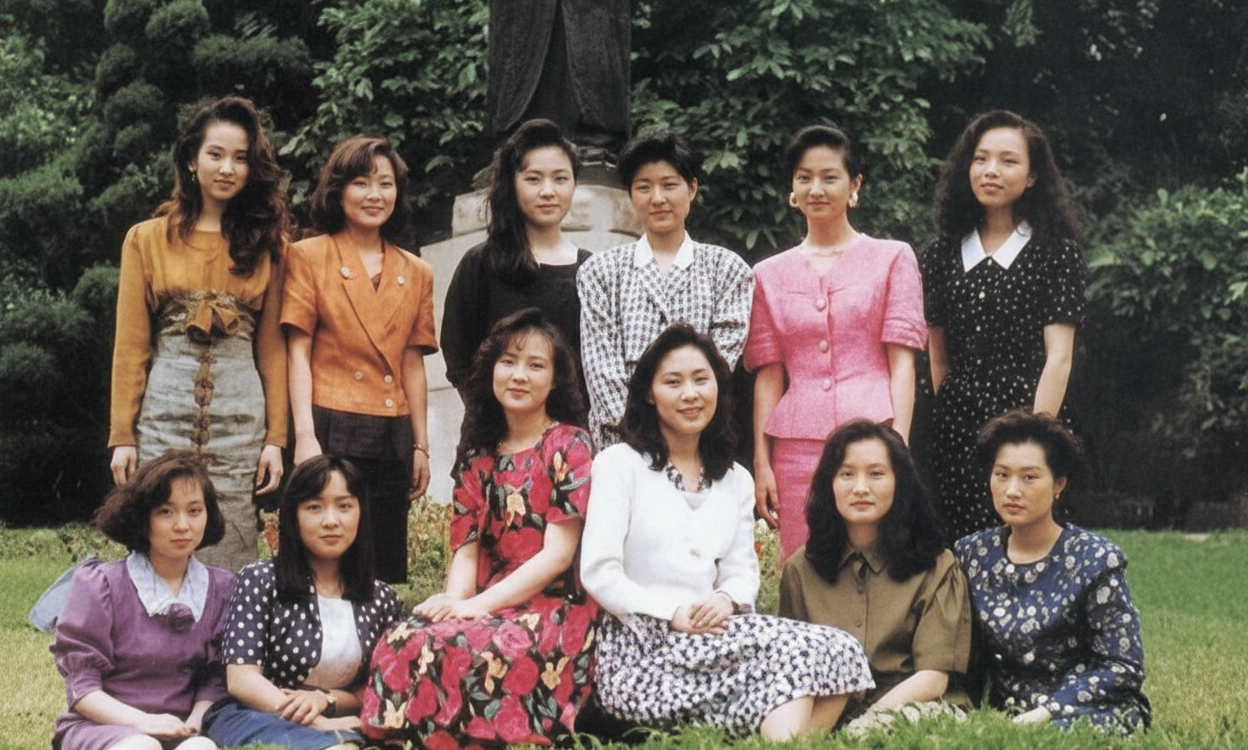
In South Korea, a new cultural phenomenon has emerged: the “Young 40s” trend. Gen Z and younger millennials are using social media to poke fun at middle-aged men in their early forties who continue to embrace youthful fashion trends. From Nike Air Jordans to Stüssy T-shirts and mirror selfies on Instagram, these men have become the subject of viral memes, caricatures, and online ridicule.
Ji Seung-ryeol, 41, a fashion enthusiast, finds himself at the center of this trend. He posts stylish selfies online, enjoying streetwear and tech gadgets that he has liked for years. However, he has recently noticed younger colleagues joking about his style and referring to men his age as “Young 40s” — a term now synonymous with people “trying too hard to look young” or being out of touch with generational boundaries.
From Fashion Pride to Viral Meme Culture
The trend has been amplified by AI-generated caricatures circulating on Instagram, TikTok, and other social media platforms. These digital illustrations often depict a 40-something man decked out in trendy streetwear while holding an iPhone, exaggerating the perceived absurdity of middle-aged men participating in youth-driven fashion culture.
One catalyst for this meme culture was the release of the iPhone 17, previously considered a hallmark of youth and tech-savvy lifestyle. Suddenly, middle-aged consumers owning the latest iPhone became a focal point of mockery. In the words of Gen Z social commentator Jeong Ju-eun, Young 40s are people “refusing to accept that time has passed” while trying to remain relevant in youth culture.
Gallup research in South Korea indicates that while Gen Z still prefers Apple products, iPhone market share among this group fell by 4% in the past year, while it rose by 12% for consumers in their 40s, highlighting this demographic’s growing tech engagement despite online mockery.
Social Hierarchy and Cultural Context
Age plays a central role in South Korean society, influencing social hierarchy, workplace interactions, and even casual social activities. Even a one-year age difference dictates respect, seating at tables, and ceremonial etiquette.
However, the Young 40s trend reveals a generational shift. Younger South Koreans are increasingly skeptical of rigid age-based hierarchies, questioning the expectation of automatic respect toward elders. Social media platforms, where multiple generations interact in shared digital spaces, have amplified this cultural friction, challenging traditional norms.
Lee Jae-in, sociology professor at Korea University’s Sejong campus, explains, “The old pattern where different generations consumed separate cultural spaces has largely disappeared. Young 40s memes reflect a merging of digital and social worlds where generational boundaries are constantly negotiated.”
The Sandwich Generation Faces Criticism and Self-Consciousness
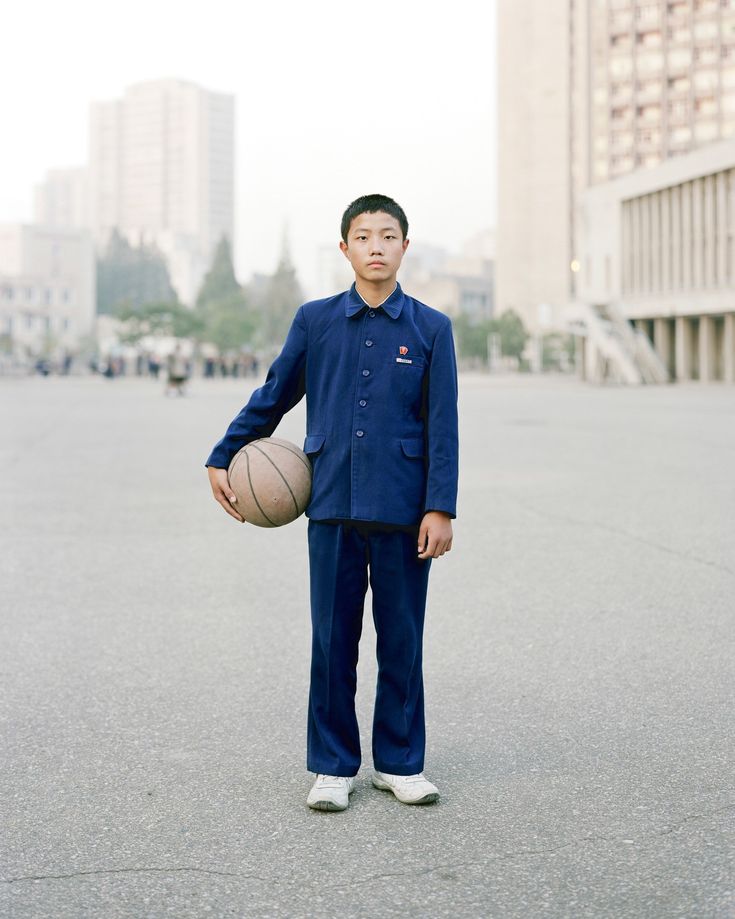
The Young 40 demographic, often called the “sandwich generation”, occupies a middle ground between older, more rigid generations and younger, highly competitive Gen Z. These men are at the peak of their careers and enjoy disposable income, which allows them to indulge in fashion, technology, and lifestyle trends historically associated with youth.
Yet the trend has made them increasingly self-conscious. Ji reports that he now moderates his workplace interactions, avoiding personal stories and limiting social engagements to professional topics. The fear of being labeled kkondae — a term for condescending elders — or Young 40 has reshaped how he navigates social and professional spaces.
Similarly, other 41-year-olds note that the desire to maintain youthful appearances is natural, reflecting a universal human inclination rather than mere vanity. Kang, another fashion-conscious Young 40, emphasizes, “As you get older, longing for youth becomes completely natural. Wanting to look young is something every generation shares.”
Economic and Generational Frictions
The mockery of Young 40s is not purely about fashion. It also reflects broader societal and economic tensions. Gen Z and young millennials are navigating soaring housing prices, hyper-competitive job markets, and economic uncertainty, while Young 40s are often perceived as beneficiaries of previous eras’ stability and opportunity.
Psychologist Oh Eun-kyung explains, “Young 40s are seen not simply as individuals with personal tastes but as symbols of privilege and power. That’s why the energy of mockery is focused on them. It’s a generational critique, packaged through humor.”
In this context, memes and social commentary serve as a form of social leveling, allowing younger generations to poke fun at a cohort that has historically held economic and cultural advantages.
From Marketing Term to Cultural Meme
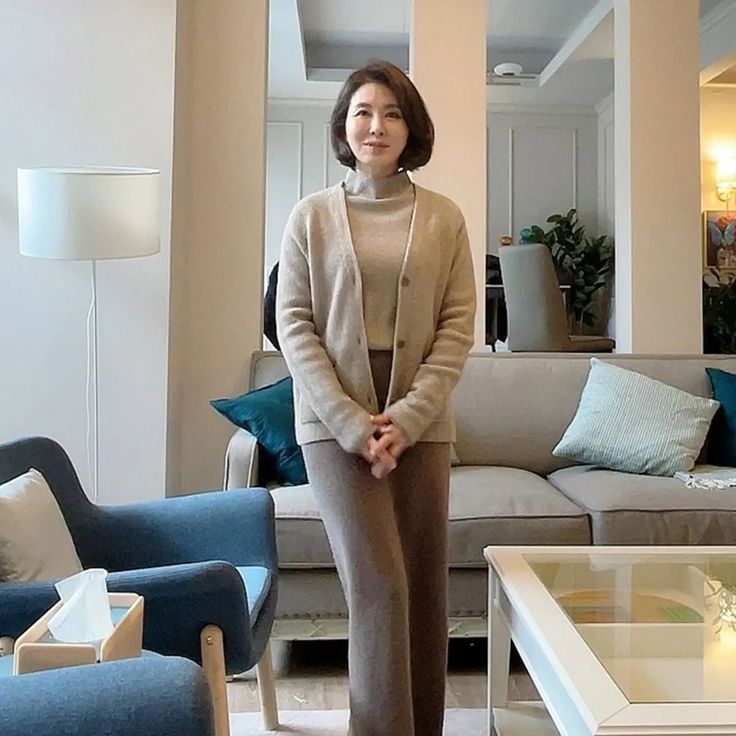
Originally, the term Young 40 was coined by trend analysts to describe consumers in their forties with youthful lifestyles: active, health-conscious, and digitally savvy. Companies targeted this group for marketing campaigns, recognizing their purchasing power and tech engagement.
However, over the past year, Young 40 has evolved from a marketing descriptor to a viral meme. Online mentions have surged, with over 100,000 references on social platforms. More than half carry negative or sarcastic connotations, often paired with words like “old” or “disgusting.”
An offshoot of the trend, Sweet Young 40, humorously targets middle-aged men attempting to flirt with younger women, highlighting the social anxieties and boundaries that these memes navigate.
Social Media’s Role in Bridging Generational Gaps
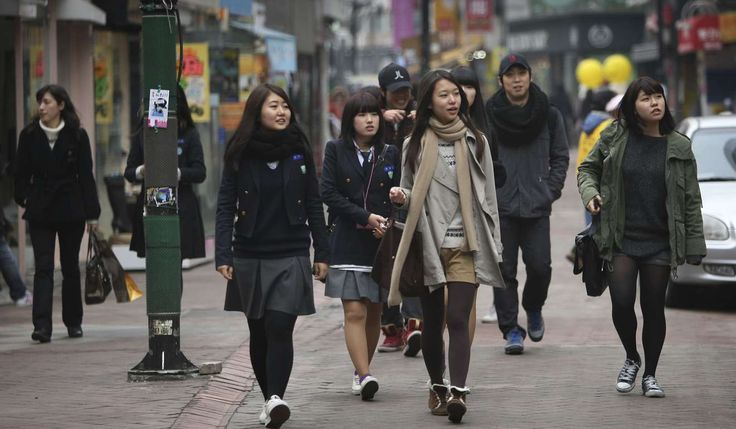
The Young 40 phenomenon also underscores the power of social media in dissolving traditional generational silos. Platforms like Instagram, Twitter, and TikTok allow Gen Z to challenge established norms, critique consumer behavior, and generate viral trends that blend humor with social commentary.
This shift reflects a global pattern where digital connectivity amplifies cross-generational interactions, often resulting in both conflict and understanding. For Young 40s, navigating this environment requires balancing personal interests, societal expectations, and the pressures of online scrutiny.
For more coverage on global fashion trends and generational culture, see FFRNEWS Lifestyle. This article is based on reporting by BBC News, providing verified insights into the viral memes, social implications, and generational discourse shaping South Korean culture.