

The crypto market structure bill is trending on Twitter and other social platforms as real-time discussions intensify over the future of cryptocurrency regulation in the United States. The bill, designed to create a comprehensive regulatory framework for digital assets, has become a flashpoint in business and political conversations, with investors, industry leaders, lawmakers, and traders weighing in on its prospects and implications. This surge in online engagement reflects widespread interest in how the legislation could reshape markets, clarify oversight roles, and influence prices of major cryptocurrencies like Bitcoin and XRP.
Recent movements on social media show users reacting to legislative delays, shifting support from major crypto firms, and diverging opinions among policymakers — all of which are shaping the narrative around this high-stakes piece of potential lawmaking.
Political Backdrop and What the Bill Aims to Do
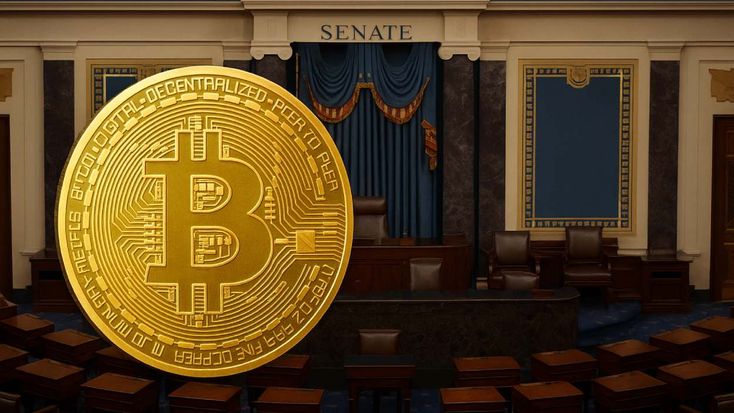
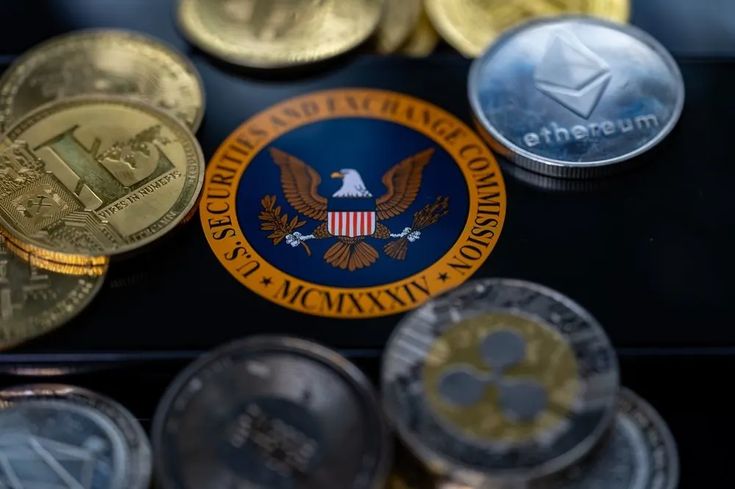
The crypto market structure bill is being drafted in the U.S. Senate with the goal of defining how digital assets are regulated, specifically clarifying whether tokens are treated as securities or commodities and establishing which federal agencies have oversight authority. Initial proposals have sought to give clear roles to regulators like the Securities and Exchange Commission (SEC) and the Commodity Futures Trading Commission (CFTC), and to codify rules around trading, custody, stablecoins, and decentralized finance (DeFi).
The measure has bipartisan interest as legislators recognise the need for clarity in an industry that has grown rapidly without a singular regulatory framework, leaving investors and businesses to navigate competing agency interpretations. If passed, the bill would offer structural rules aimed at stabilizing markets and giving firms clear compliance guidelines.
Delay and Industry Pushback Spark Online Debate
However, the path to passage has hit significant obstacles. Most recently, the U.S. Senate Banking Committee postponed its planned markup of the bill after major pushback from industry stakeholders, most notably Coinbase CEO Brian Armstrong, who publicly withdrew support for the draft legislation as it stood. Armstrong argued that parts of the bill could restrict innovation, ban tokenized equities, shift regulatory power away from the CFTC in ways that disadvantage digital markets, and limit stablecoin rewards.
This dramatic development sent crypto communities on Twitter into overdrive, with many users debating whether the delay represents necessary caution or a missed opportunity for regulatory clarity. Crypto advocates who support a strong and balanced regulatory system argue that the bill needs refinement to protect both investors and innovation, while others see the postponement as prolonging uncertainty and weekend market volatility.
Markets React as Uncertainty Grows
Real-time market responses have mirrored the social discussion. Major cryptocurrencies, including Bitcoin, have experienced price fluctuations tied to sentiment about the bill’s status. Analysts note that markets sometimes rally on optimism about regulatory clarity but also retreat into volatility when uncertainty persists.
Some market commentators view the ongoing debate as a sign that the U.S. could still produce robust regulation — and that passage, however delayed, could serve as a bullish catalyst for digital assets. For example, Galaxy Digital’s research arm has suggested that if the bill is ultimately passed, it could trigger higher prices across the crypto landscape by providing foundational clarity and encouraging institutional participation.
Divisions Within Government and Industry
The online conversation also highlights deeper divisions among policymakers and industry stakeholders regarding how to regulate decentralized finance and stablecoins. Some lawmakers on the Senate Judiciary Committee have expressed concern that certain provisions could weaken existing enforcement tools against illicit actors and criminal misuse, pushing for changes that strengthen protections rather than expand regulatory gaps.
At the same time, influential voices within the industry point out that the existing language would force decentralized platforms and developers into compliance frameworks that don’t suit their structures, potentially driving innovation offshore. This debate over regulatory design has become one of the central themes dominating Twitter discussions around the bill.
What’s Next for the Bill’s Timeline
There is uncertainty not only around the content of the final bill but also around when it might pass. Analysts from financial research firms have cautioned that delays could push meaningful legislation as far out as 2027 or later, depending on how political negotiations evolve and whether bipartisan consensus can be reached.
This extended timeline has given rise to hashtags and trends online that reflect both urgency and frustration, with some users urging swift action to avoid long periods of regulatory limbo, and others advocating for thoughtful and protective language that ensures a sound legal framework.
Impact on Investors and Innovation
Beyond Twitter chatter, the broader crypto ecosystem continues to watch the situation closely. A clear market structure law could provide a stable legal foundation for digital asset trading, custody services, institutional investment, and consumer protection. Yet the current stalemate highlights the difficulty of legislating in a fast evolving technological arena where policy must balance innovation with risk management.
Whether the bill ultimately becomes law, and in what form, remains a central question for markets, regulators, and industry participants — as well as a trending topic among global business communities engaged in digital finance.
This article is part of FFRNEWS Markets coverage, keeping readers informed on major developments in financial regulation and market trends. Reporting on the crypto market structure bill draws on coverage from Reuters which explain the legislative context, political dynamics, industry responses, and why the bill’s progress — and recent delay of its markup — has become a central issue driving conversations about crypto regulation and investor sentiment worldwide.