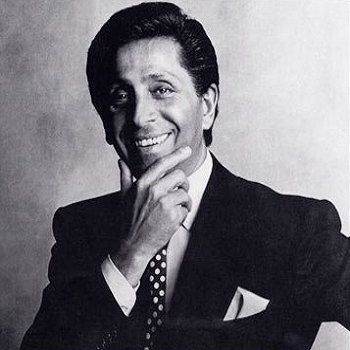
Valentino Garavani death at age 93 was confirmed on January 19, 2026, marking the end of an era in global fashion. The legendary Italian couturier — creator of the iconic Valentino fashion house and the signature “Valentino Red” — passed away peacefully at his Roman home, surrounded by loved ones, according to his foundation. His passing prompted tributes from world leaders, celebrities, and the fashion industry at large, underscoring his far‑reaching impact on style, luxury, and haute couture.
Valentino’s life spanned decades of innovation and glamour, from dressing Hollywood royalty and international elites to defining Italian couture as an enduring symbol of feminine elegance. His death prompted reflection on a career that not only shaped fashion’s past but continues to influence its future.
Early Life and Rise to Fashion Glory
Valentino Clemente Ludovico Garavani was born on May 11, 1932, in Voghera, Lombardy, Italy. From his earliest days, he was drawn to art and design. He studied fashion in Milan before moving to Paris to attend prestigious institutions like the École des Beaux Arts and the Chambre Syndicale de la Couture Parisienne. There, he learned the principles of haute couture under masters such as Jean Dessès and Guy Laroche.
By 1959, Valentino had returned to Rome and established his own fashion house on the famed Via Condotti, with support from family and early collaborators. Within a year, he met Giancarlo Giammetti, a business partner who would remain at his side for decades, helping build Valentino into a global fashion institution.
It didn’t take long for Valentino’s talents to be recognized. His early collections, including his 1961 violet‑eyed Elizabeth Taylor creation, signaled his knack for elegance and feminine sophistication. His work quickly attracted elite clientele from European nobility, Hollywood stars, and American socialites.
The Red That Became a Symbol
Among the many hallmarks of Valentino’s design legacy was his signature shade of red. The color — now officially recognized in the Pantone color system as “Valentino Red” — first appeared prominently in his 1959 red tulle dress called Fiesta, and became a motif for the house in collections for decades. He once explained that when a woman wears a beautiful red evening gown, “it’s really something special.”
Valentino’s partnership with red did more than define a brand color; it captured an emotional and visual identity that communicated passion, elegance, and allure — a worldwide symbol of luxury women’s fashion. Photographs and retrospectives of his red dresses remain staples in exhibitions celebrating his work and influence.
Dressing Icons: Hollywood, Royals, and First Ladies
Valentino’s talent for dressing iconic women made his name synonymous with glamour. Over the years, his creations graced countless high‑profile figures, including Jacqueline Kennedy Onassis, who famously encouraged him to “live 100 years” — a wish that nearly came true.
He also dressed Elizabeth Taylor, Sophia Loren, Audrey Hepburn, Julia Roberts, Princess Diana, and many others for red‑carpet events, political appearances, and personal milestones. His clothing became staples of couture photography, film premieres, and major cultural moments spanning generations.
Valentino’s technical mastery of pattern‑making, attention to detail, and ability to blend romance with structure set him apart from contemporaries. His gowns, lace work, bows, and embroidery became markers of opulence that elevated couture beyond mere fashion to an art form.
Retirement, Legacy, and Continued Influence
After a nearly 50‑year career, Valentino retired in 2008. His final haute couture show was a moment of celebration and reflection, capped by global media attention and admiration from peers and fans alike. Even after his retirement, he remained closely tied to the fashion world, attending shows and advising on creative direction.
His fashion house continued to thrive under successive creative directors. Notably, Pierpaolo Piccioli, who joined the house in 2008 and later served as creative director, paid homage to Valentino’s red and romantic legacy in modern collections, ensuring the brand’s evolution while honoring its roots.
Valentino’s influence extended beyond couture to global brand expansion, bridging ready‑to‑wear, accessories, and luxury lifestyle. His approach to fashion — emphasizing timeless elegance over fleeting trends — established principles still revered in today’s fashion climate.
Global Reaction to the News of His Death
The fashion world reacted with profound respect and admiration upon news of Valentino Garavani’s death. Industry figures, designers, and celebrities paid tribute to a man whose vision shaped fashion for decades. Stars like Gwyneth Paltrow and Cindy Crawford publicly remembered him as a mentor, friend, and artistic force.
Global leaders also honored his legacy. Italian Prime Minister Giorgia Meloni called Valentino an “undisputed master of style and elegance and an eternal symbol of Italian high fashion,” highlighting his cultural and economic impact.
A public viewing and funeral services were held in Rome, drawing tributes from fashion elites and the general public alike, acknowledging his contributions not just to couture but to global cultural history.
Valentino’s Enduring Place in Fashion History
Valentino Garavani’s career — spanning from postwar Europe to the globalized fashion markets of the 21st century — reflects the evolution of luxury and glamour itself. He was a designer who believed in beauty, craftsmanship, and the power of clothing to elevate the human spirit. His legendary style, signature colors, and devotion to elegance remain benchmarks in the fashion industry.
As the world mourns Valentino Garavani death, his legacy of artistry, devotion to feminine form, and unmatched influence on couture and luxury fashion endure. Through archives, exhibitions, and the ongoing life of the Valentino brand, his vision will continue to inspire designers and fashion lovers around the world for generations to come.
This report is part of FFRNEWS Fashion & Style coverage, documenting major developments and figures in global fashion. Details in this article are based on reporting by Vogue, and multiple fashion industry tributes following Valentino Garavani’s death.