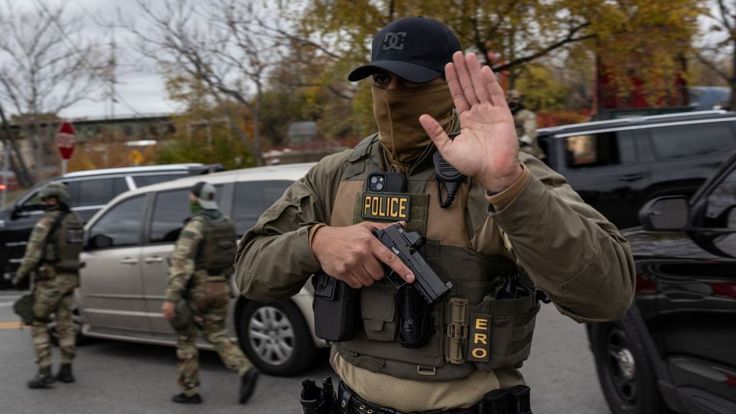
The fatal shooting of Renee Nicole Good by a United States Immigration and Customs Enforcement agent in Minneapolis has intensified scrutiny of how ICE agents are trained to use force. The incident, followed by another shooting involving an ICE officer in the same region, has reignited questions about accountability, transparency, and the rules governing deadly force during immigration enforcement operations.
As protests continue and public concern grows, investigative findings suggest that ICE agent use of force training prioritizes officer protection and legal immunity, while offering limited emphasis on de-escalation or public accountability.
A Record of Shootings With Rare Prosecution
Shootings involving ICE agents are not isolated events. Over the past decade, dozens of individuals have been injured or killed during encounters with ICE officers. Despite the severity of these incidents, criminal charges against agents remain extremely rare.
Legal experts note that federal officers benefit from strong protections that make prosecution difficult. As a result, even cases involving fatalities often conclude without indictments, reinforcing public perception that ICE operates with minimal oversight when force is used.
Training Allows Immediate Use of Deadly Force
ICE agent use of force training materials reveal a controversial interpretation of when deadly force is justified. Agents are taught that lethal force does not need to be a last resort and may be used immediately if an officer perceives a threat.
Training lessons emphasize that the legal standard is “objectively reasonable force,” not minimal force. Officers are instructed that attempting warnings or lesser force options could expose them to unnecessary risk, framing restraint as a potential danger rather than a best practice.
Use of Force Continuum De-Emphasized
Traditional law enforcement training often follows a use-of-force continuum, encouraging gradual escalation. However, ICE training quizzes indicate that officers are not required to apply any prior steps before using deadly force.
In these materials, the correct response explicitly states that no preliminary actions are necessary. Critics argue this guidance lowers the threshold for lethal action, especially during chaotic raids or arrests involving civilians.
De-Escalation Not a Core Focus in ICE Training
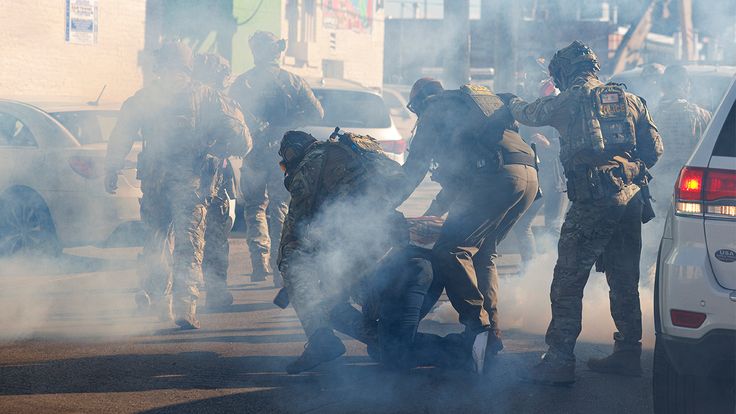
A significant concern raised by investigators is the lack of emphasis on de-escalation within ICE agent use of force training. The reviewed documents do not meaningfully reference techniques aimed at calming situations, creating distance, or resolving encounters without violence.
While broader federal policies introduced in recent years call for de-escalation training, it remains unclear how consistently ICE agents receive or retain this instruction. In some legal cases, agents have admitted to having only vague recollections of their use-of-force training, raising questions about effectiveness and enforcement.
Gaps Between Policy and Practice
Although updated policies may exist at the federal level, the absence of clear documentation makes it difficult to determine whether agents are following those standards in the field. Without transparent records, it becomes nearly impossible to assess whether training failures contribute to violent outcomes.
Secrecy Surrounding Use of Force Policies
ICE does not publicly release its complete use of force policy. The version available to the public is heavily redacted, and no legal requirement currently mandates full disclosure.
Civil liberties experts argue that this secrecy undermines democratic oversight. Without access to the full policy, the public cannot evaluate when agents are authorized to use force or determine whether officers act within agency guidelines during controversial encounters.
Government reviews have also found that internal reports often fail to clearly document whether agents violated policy during use-of-force incidents, limiting opportunities for corrective action.
Training Includes Legal Shielding From Lawsuits
Another striking aspect of ICE agent use of force training is its focus on avoiding legal consequences. Training materials repeatedly instruct officers on how constitutional protections apply and how to articulate actions in ways that reduce legal exposure.
Agents are taught that as long as they act within the scope of their employment, civil lawsuits are unlikely to result in personal liability. Combined with qualified immunity, this framework offers broad protection even in cases involving severe injury or death.
Qualified Immunity and Accountability Challenges
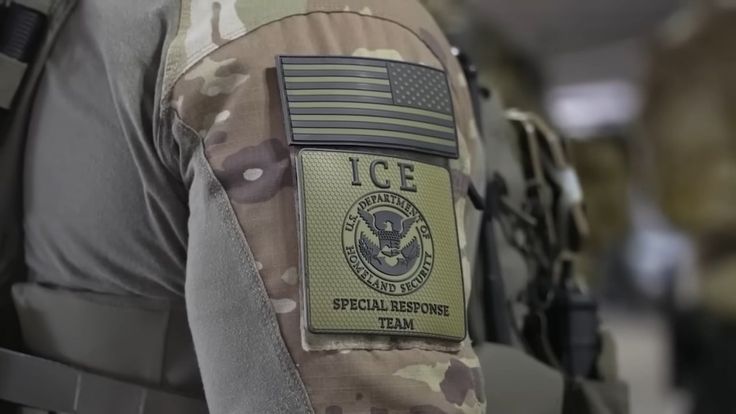
Qualified immunity shields federal agents from lawsuits unless they violate clearly established law. In practice, this standard is difficult to meet, making accountability through the courts exceedingly rare and reinforcing public frustration.
Rapid Expansion Raises New Concerns
In the past year, ICE has significantly expanded its workforce, more than doubling the number of agents nationwide. Critics warn that rapid hiring increases the risk of insufficient training, particularly when agents are deployed into high-tension environments.
Reports suggest that accelerated recruitment processes may have prioritized speed over preparation, sending newly hired agents into the field with limited oversight or experience.
Community Impact and Public Fear
In cities where enforcement actions are ongoing, residents report fear and uncertainty. Videos and eyewitness accounts describe aggressive tactics, including forced entries and public arrests, fueling tensions between communities and federal agents.
Advocacy groups argue that opaque training practices and aggressive enforcement undermine public trust and worsen community relations, making long-term public safety more difficult to achieve.
What Comes Next for ICE Oversight?
Calls for reform continue to grow. Legal experts, civil rights advocates, and community leaders argue that transparency is essential to restoring trust. Proposed changes include releasing full use-of-force policies, improving documentation, strengthening de-escalation training, and increasing independent oversight.
As debates over immigration enforcement intensify, ICE agent use of force training is emerging as a central issue in the broader discussion about accountability, civil liberties, and the role of federal law enforcement in American society.
This report is part of FFRNEWS U.S. Politics coverage, tracking developments related to federal law enforcement, immigration enforcement, and civil liberties in the United States. Details in this article are based on investigative reporting by Al Jazeera, which revealed internal ICE training practices and use-of-force policies.