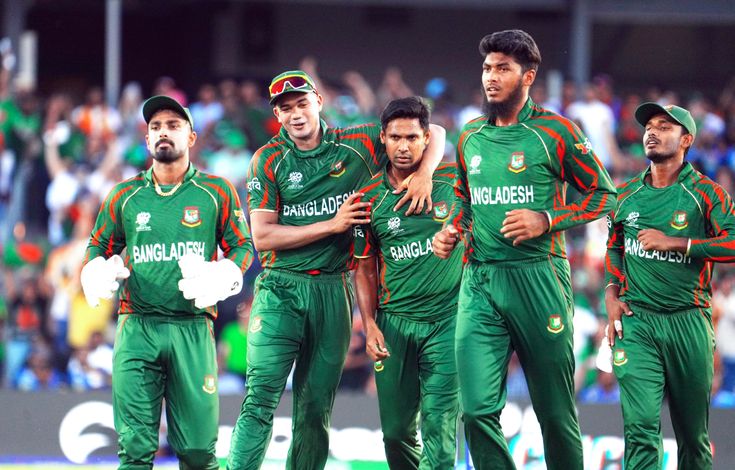
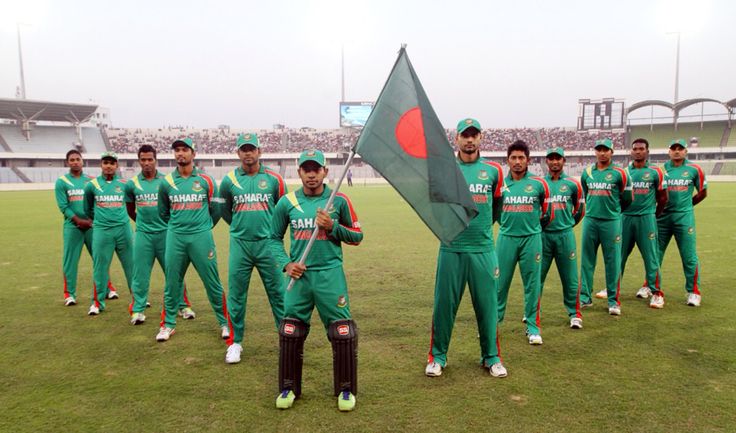
Bangladesh T20 World Cup exit – Bangladesh have officially been removed from the ICC Men’s T20 World Cup 2026 after refusing to travel to India for their scheduled group-stage matches. The International Cricket Council announced that Scotland will replace Bangladesh in Group C of the tournament following a prolonged standoff between the governing body and the Bangladesh Cricket Board over venue-related security concerns.
The decision marks one of the most controversial moments in recent World Cup history, blending sport with regional politics and raising questions about governance, neutrality, and the balance of power within international cricket.
ICC Rejects Bangladesh’s Venue Relocation Request
The T20 World Cup 2026 is being co-hosted by India and Sri Lanka, with Bangladesh’s group fixtures assigned exclusively to Indian venues. The Bangladesh Cricket Board formally requested that its matches be relocated outside India, citing security concerns linked to deteriorating diplomatic relations between the two countries.
After weeks of discussions, the ICC concluded that there was no credible or verifiable security threat to the Bangladesh team in India. Based on that assessment, the governing body refused to alter the tournament schedule, stating that doing so would compromise fairness and set an undesirable precedent.
Scheduled Matches and Venues in India
Bangladesh were originally set to play their opening match of the tournament on February 7 at Eden Gardens in Kolkata against the West Indies. Two additional group matches were also scheduled at the same venue, followed by a final Group C fixture against Nepal at the Wankhede Stadium in Mumbai.
Despite these plans, the BCB maintained its position that the team would not travel to India under the existing political climate.
Political Tensions Spill Into Cricket
The venue dispute escalated following the sudden removal of Bangladeshi fast bowler Mustafizur Rahman from the Indian Premier League. The decision, reportedly made on instructions from Indian cricket authorities, was viewed in Bangladesh as a political signal rather than a purely sporting one.
The incident intensified concerns within the BCB about player safety and treatment, reinforcing its stance against participation in India-hosted matches.
ICC’s Review Process and Final Deadline
According to the ICC, an extensive review process was undertaken to address Bangladesh’s concerns. This included multiple rounds of dialogue with the BCB, independent security assessments, and detailed briefings on federal and state-level security arrangements for the tournament.
The ICC Business Corporation Board ultimately requested final confirmation from the BCB within a 24-hour deadline on whether Bangladesh would participate under the published schedule. When no confirmation was received, the ICC moved forward with its contingency plan.
Scotland Named as Replacement Team
Scotland have been named as Bangladesh’s replacement in the T20 World Cup 2026. The ICC stated that Scotland qualified as the highest-ranked T20I team that had not originally secured a spot in the tournament.
The move has been welcomed by Scottish cricket officials, while reactions in Bangladesh have ranged from disappointment to outrage.

Bangladesh Cricket Board Responds
Bangladesh Cricket Board President Aminul Islam publicly criticized the ICC’s decision, stating that Bangladesh would not compromise on what it considers legitimate security concerns.
He warned that the ICC would suffer commercially and reputationally from Bangladesh’s absence, pointing to the country’s massive cricket-following population and its contribution to global viewership.
“We want to play the World Cup, but we won’t play in India,” Islam said, reaffirming the board’s stance even after expulsion from the tournament.
Impact on Players and Fans
Bangladesh’s exit is a major blow for its players, many of whom had prepared extensively for the tournament. For fans, the decision has sparked widespread frustration, with debates raging over whether the BCB should have prioritized participation over principle.
Analysts note that the situation highlights the vulnerability of players when geopolitical disputes influence sporting decisions beyond their control.
Broader Implications for International Cricket
The Bangladesh T20 World Cup exit underscores the challenges the ICC faces in maintaining neutrality while managing events across politically sensitive regions. Critics argue that the governing body’s rigid stance risks alienating member boards, while supporters believe consistency is essential to preserve tournament integrity.
The episode may influence how future ICC events handle venue allocations, security assurances, and disputes involving geopolitical tensions.
What Comes Next for Bangladesh Cricket?
With the World Cup now out of reach, Bangladesh will turn its attention to bilateral series and rebuilding confidence on the international stage. However, questions remain about its relationship with the ICC and whether trust can be restored after such a public and consequential fallout.
The controversy is likely to leave a lasting imprint on global cricket governance, serving as a reminder that the sport does not exist in isolation from politics and diplomacy.
This report is part of FFRNEWS Sports coverage, tracking major developments in international cricket and global sporting governance. Details in this article are based on reporting by Al Jazeera, which first revealed the ICC’s decision and Bangladesh’s refusal to travel to India.