The Chinese New Year Fair in Hangzhou 2026 kicked off on January 24, drawing long lines of visitors eager to soak up the spirit of the Spring Festival while experiencing centuries-old traditions and local cultural heritage. Combining intangible cultural heritage exhibitions, handcrafted festive goods and vibrant performances, the fair has quickly become one of the season’s most anticipated cultural events in eastern China’s Zhejiang province, highlighting how traditional customs thrive in the modern era.
Set against the historic cityscape of Hangzhou, the fair spans sprawling market stalls, performance stages and craft workshops where master artisans, calligraphers and folk artists demonstrate age-old skills and share stories of cultural legacy. For residents and tourists alike, this fair is not just a shopping destination — it’s a chance to witness living traditions that have been passed down through generations, bringing ancient folklore to life one craft and performance at a time.
Blending Tradition With Modern Festivity
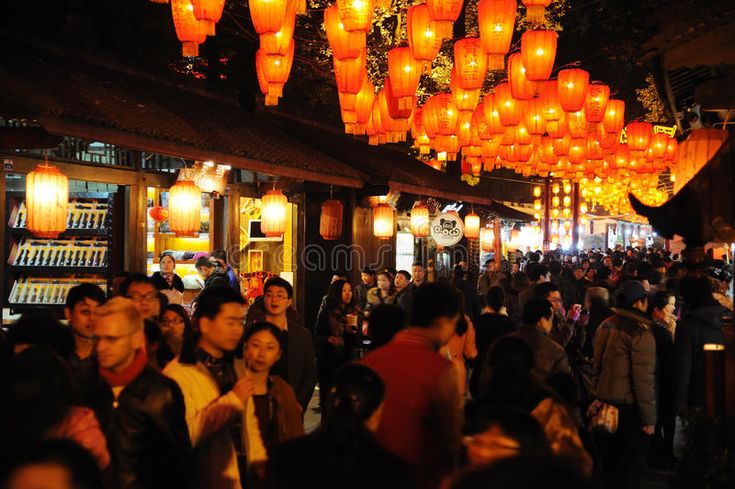
At the heart of the fair are displays of intangible cultural heritage — a designation for traditional practices, performances and crafts that are recognized as essential cultural treasures of China. These include papercutting, traditional calligraphy, shadow puppetry, lantern making and folk comedy sketches in local dialects. Each artisan’s booth is more than a point of sale; it’s a living studio where visitors can watch craftsmanship unfold and sometimes even try their hand at learning a technique.
Calligraphers attract steady crowds as they expertly paint the Chinese character “福” (Fu), symbolizing good fortune, on red paper scrolls. The scrolls, which are later gifted to visitors, are seen as auspicious tokens to decorate homes for the Lunar New Year — a practice deeply rooted in Chinese celebratory traditions. Meanwhile, intricate paper-cutting scenes depicting mythic animals or seasonal motifs give fairgoers tangible mementos of the culture they’re celebrating.
The fair’s planners have intentionally blended festive shopping with cultural immersion, offering an array of New Year goods that range from handcrafted decorations to specialty foods. Traditional rice cakes, sugar figurines and other celebratory treats sit alongside elegant cultural products, creating a joyful marketplace atmosphere where modern tastes meet age-old festivity.
Performances That Bring Local Culture to Life
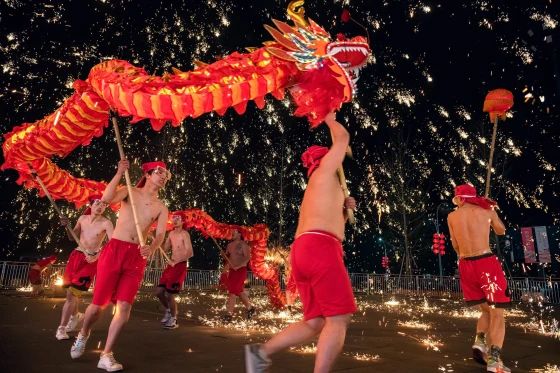
Beyond crafts and market stalls, the fair features folk performances that resonate with local heritage. Among the highlights are performances of Xiao Re Hun, a traditional form of stand-up comedy performed in the Hangzhou dialect that blends humor with social commentary, making history and culture accessible and entertaining for all ages.
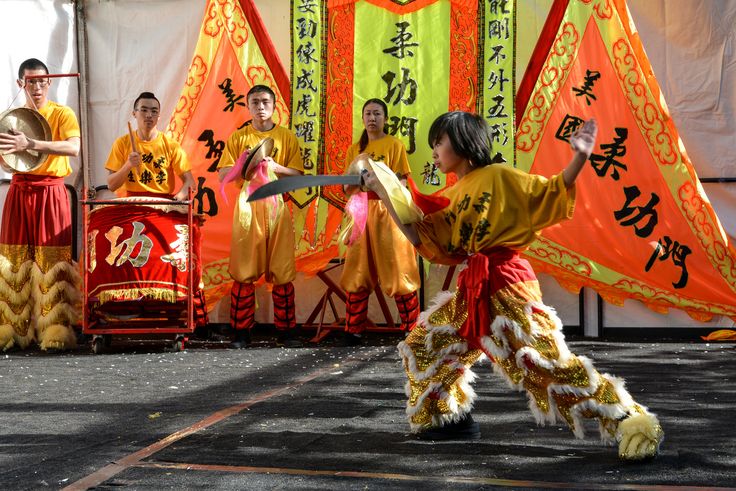
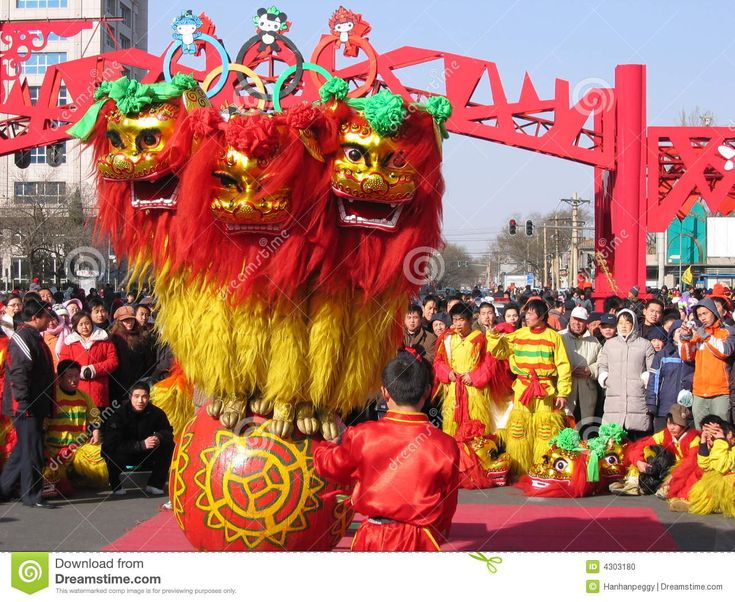
Spectators burst into applause during lion dances, a customary spectacle during lunar celebrations that symbolize luck and prosperity. The high-energy movements of the performers, paired with rhythmic drumming and cymbals, recall ancient rituals designed to ward off evil spirits and usher in a fresh start for the New Year.
Throughout the day, stages filled with music, storytelling, traditional instrumental performances and dramatic reenactments give visitors a fuller sense of how the Spring Festival was celebrated in both historical and modern contexts. Children and families gather around entertainers, learning through observation and participation how folklore and ritual are woven into local identity.
A Deeper Look at Cultural Heritage and Craftsmanship
While the fair itself is a festive highlight, it also reflects broader efforts to preserve and promote intangible cultural heritage across Zhejiang and China as a whole. The province has one of the highest numbers of recognized intangible cultural heritage inheritors in the country, a testament to sustained cultural investment and community support for traditional practices.
These preservation efforts are visible not just in festival settings like the New Year fair but also in ongoing artisan workshops, mentorship programs and educational activities that connect younger generations with master craftsmen. For example, traditional lantern makers, block printers and silk artisans frequently participate in exhibitions and cultural programs year-round, advocating for the relevance of heritage in contemporary cultural life.
The fair’s success embodies this broader mission by turning intangible heritage from abstract recognition into lived experiences that spark curiosity, pride and appreciation among attendees. From the calligrapher inscribing characters with deft brushstrokes to the puppet maker explaining his art, culture here is tactile, personal and evolving.
Tourism, Local Economy and Community Impact
Cultural events like the Chinese New Year Fair have become vital drivers for tourism and economic activity in Hangzhou during the Spring Festival. The city has reported significant increases in visitor numbers during the holiday season in recent years, with cultural attractions and themed experiences drawing both domestic and international tourists. This festive fair contributes to that momentum by offering exclusive products, interactive experiences and cultural exhibitions that cannot be found elsewhere.
Local business owners have noted that the fair’s combination of performance art, crafts and seasonal shopping has given a boost to small enterprises and artisan cooperatives. For many, festival sales are a meaningful part of their annual revenue, and the cultural visibility gained from participating in the fair helps build longer-term demand for traditional crafts.
Moreover, cultural tourism around the Spring Festival has broader implications for the region. Hangzhou’s reputation as a city that harmonizes ancient heritage with modern vibrancy is enhanced by events like this fair, reinforcing its status as a must-visit cultural destination, especially as global interest in Chinese New Year celebrations grows each year.
This report is part of FFRNEWS Culture coverage, focusing on global traditions and community heritage celebrations. Details in this article are based on reporting by Xinhua News, which first reported the opening of the Chinese New Year Fair in Hangzhou featuring intangible cultural heritage and traditional performances.