
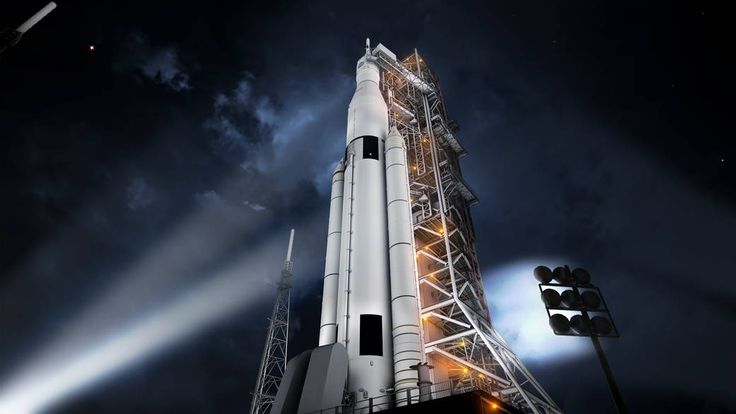
NASA has reported substantial progress across multiple areas of its space exploration program, highlighting a new phase in NASA human spaceflight advancements as the agency prepares for future Moon missions and expanded scientific operations beyond low Earth orbit.
The updates reflect years of research, testing, and international collaboration coming together as NASA pushes toward sustained human exploration of deep space.
Preparing for the Next Era of Moon Missions
NASA’s renewed focus on lunar exploration is central to its long-term strategy. Recent progress includes advancements in spacecraft readiness, launch systems, and mission architecture designed to support repeated crewed missions to the Moon.
Unlike earlier exploration efforts, NASA’s current approach emphasizes sustainability. Astronauts will not simply visit the Moon but will remain for longer durations to test life-support systems, surface mobility, and habitat technologies under real deep-space conditions.
Breakthroughs in Human Spaceflight Technology
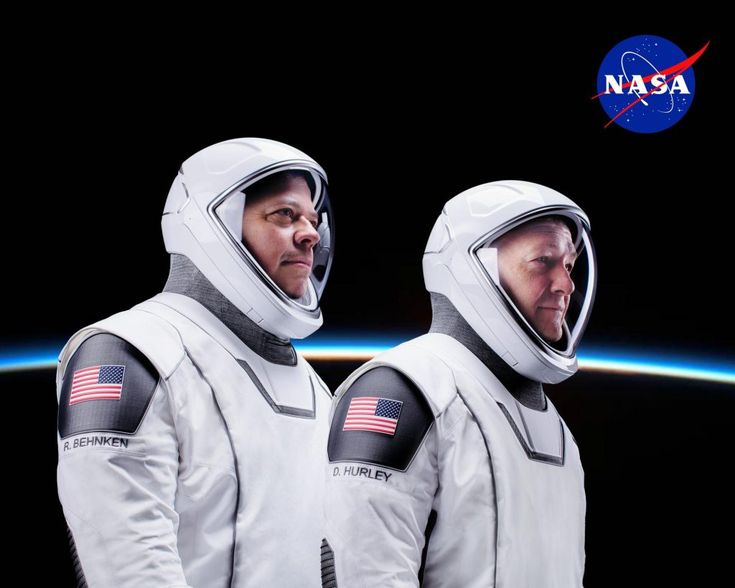
Significant technological milestones have been achieved across NASA’s human-rated spacecraft programs. Engineers have completed critical tests involving propulsion systems, heat shields, and crew safety mechanisms required for long-duration missions beyond Earth.
New spacecraft designs incorporate improved navigation, enhanced radiation protection, and more efficient life-support systems. These innovations are aimed at increasing mission reliability while reducing long-term risks for astronauts operating far from Earth.
Science Missions Supporting Exploration Goals
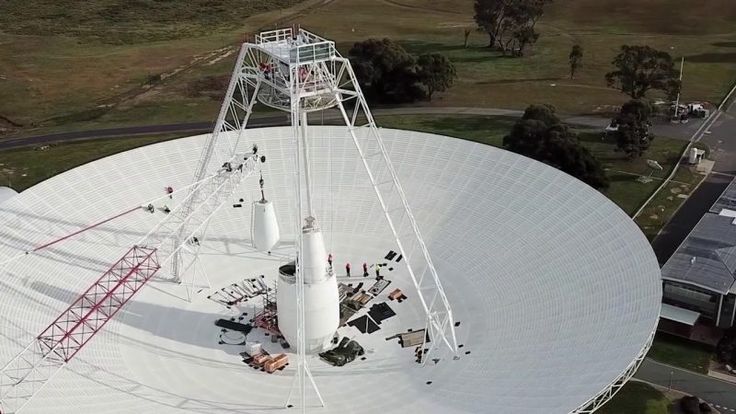
NASA’s scientific missions continue to play a vital role in shaping future exploration plans. Data collected from lunar orbiters, surface instruments, and telescopic observations is being used to assess landing sites, surface conditions, and the availability of key resources.
One major focus is identifying water ice deposits, which could support drinking water, oxygen production, and fuel generation for future missions. Understanding the Moon’s environment before human arrival significantly reduces mission risks.
Expanding International Collaboration in Space
NASA’s progress reflects growing cooperation with international partners. Shared research initiatives, joint astronaut training programs, and coordinated mission planning have strengthened global participation in lunar exploration.
These partnerships help establish common operational standards while ensuring peaceful and sustainable use of space. Officials say international collaboration is essential as more nations increase their presence beyond Earth.
Building a Sustainable Human Presence Beyond Earth
A major goal of NASA’s exploration strategy is sustainability. The agency is investing in technologies that reduce dependence on Earth-based resupply, including advanced recycling systems, autonomous operations, and in-situ resource utilization.
Surface habitats, reliable power generation, and reusable transportation systems are being developed to support long-term human activity on the Moon and beyond.
Laying the Groundwork for Mars Exploration
The Moon serves as a critical testing ground for future missions to Mars. Lessons learned from lunar operations will inform how astronauts manage long communication delays, limited resupply options, and extended exposure to space environments.
NASA officials emphasize that mastering these challenges near the Moon is essential before attempting human missions to the Red Planet.
Economic and Technological Benefits on Earth
NASA’s human spaceflight advancements continue to drive innovation on Earth. Technologies developed for space missions often lead to breakthroughs in medicine, robotics, materials science, and environmental monitoring.
Partnerships with private space companies have also expanded, strengthening the space economy while accelerating technological progress and job creation.
What Comes Next for NASA
NASA leaders describe the current phase as one of the most transformative periods in modern space exploration. With mission preparations, technology development, and scientific research advancing together, the agency is moving closer to achieving its long-term exploration goals.
As future Moon missions approach, NASA’s progress signals a renewed commitment to sustainable, collaborative, and ambitious human exploration beyond Earth.
This report is part of FFRNEWS Innovation & Space coverage, tracking major developments in space technology, human exploration, and scientific research worldwide. Details in this article are based on official updates and reporting from NASA, highlighting progress in human spaceflight, lunar mission preparation, and future exploration initiatives.


p344jb