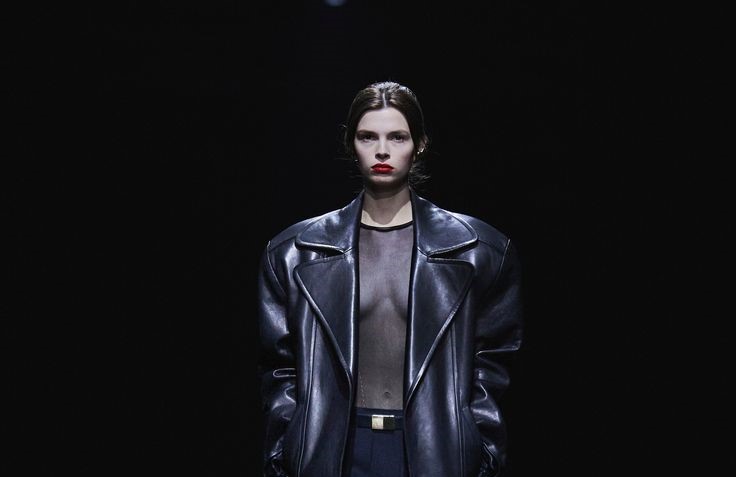
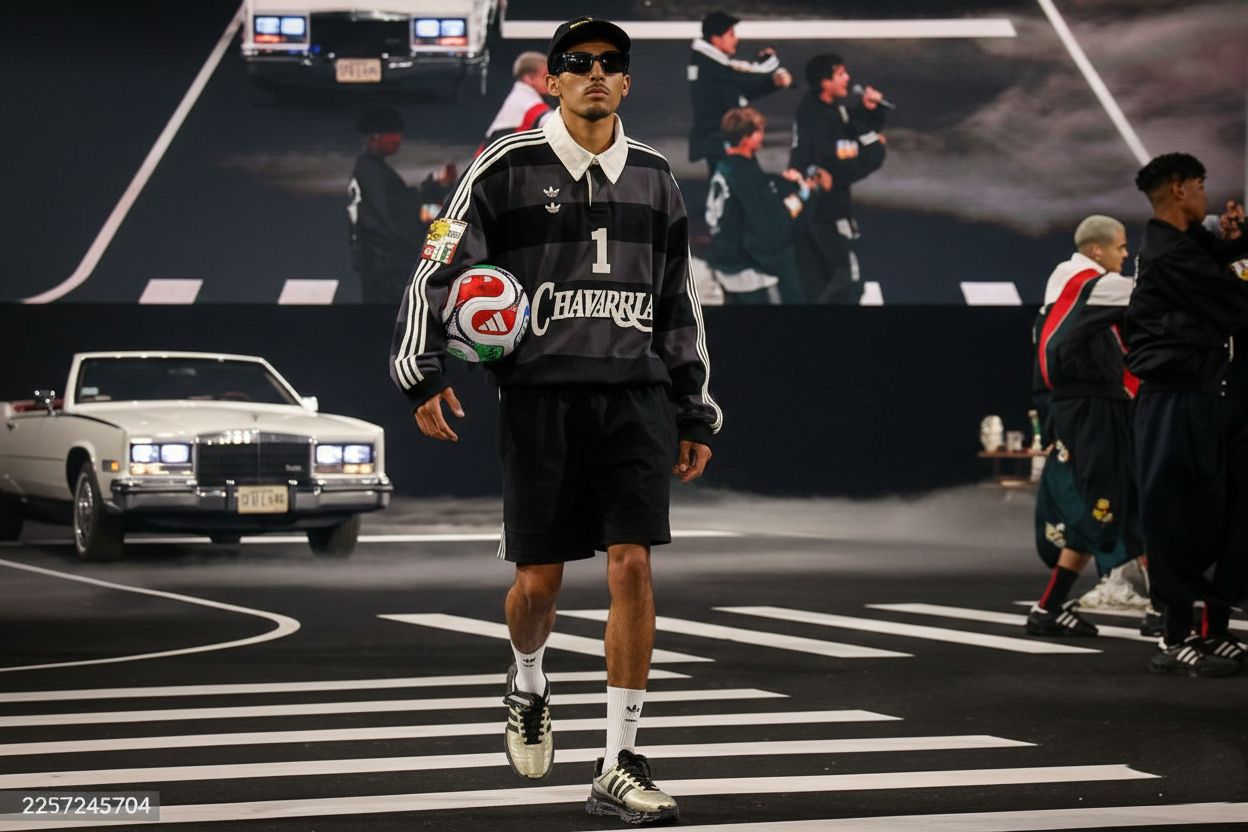
Paris Fashion Week Men’s FW26 has officially wrapped, leaving the global fashion industry buzzing with conversations around creativity, commerce, and digital transformation. As luxury houses and independent designers took to the Paris runways, the season delivered not just clothing collections but bold statements about where menswear is headed in an uncertain global economy.
From refined tailoring at heritage fashion houses to immersive, digitally enhanced runway experiences, Paris Fashion Week Men’s FW26 proved that fashion remains both an art form and a strategic business engine.
Luxury Powerhouses Set the Tone
Some of the biggest names in global fashion dominated headlines during Paris Fashion Week Men’s FW26, reinforcing Paris’s role as the epicenter of luxury menswear.
Dior’s Precision Tailoring and Timeless Craft
Dior’s presentation emphasized precision tailoring, heritage craftsmanship, and subtle innovation. The collection leaned into structured silhouettes, muted palettes, and elevated fabrics—showcasing how traditional menswear codes can evolve without losing their identity.
Industry insiders noted that Dior’s approach reflected a broader trend seen across Paris Fashion Week Men’s FW26: stability, refinement, and quiet confidence during volatile economic times.
Louis Vuitton Blends Luxury With Cultural Influence
Louis Vuitton once again blurred the lines between high fashion, culture, and commercial appeal. The brand leaned into statement pieces, bold accessories, and theatrical staging, reminding audiences that spectacle still matters on the Paris runway.
The house’s strategy highlighted how Paris Fashion Week Men’s FW26 continues to balance creativity with global brand storytelling—an approach increasingly necessary in the digital age.
Kenzo’s Youthful Energy and Global Vision
Kenzo injected youthful energy into Paris Fashion Week Men’s FW26, offering playful silhouettes, vibrant color palettes, and cross-cultural references. The collection resonated strongly with younger consumers and social media audiences, underscoring how modern fashion weeks now operate beyond physical venues.
Digital Innovation Takes Center Stage
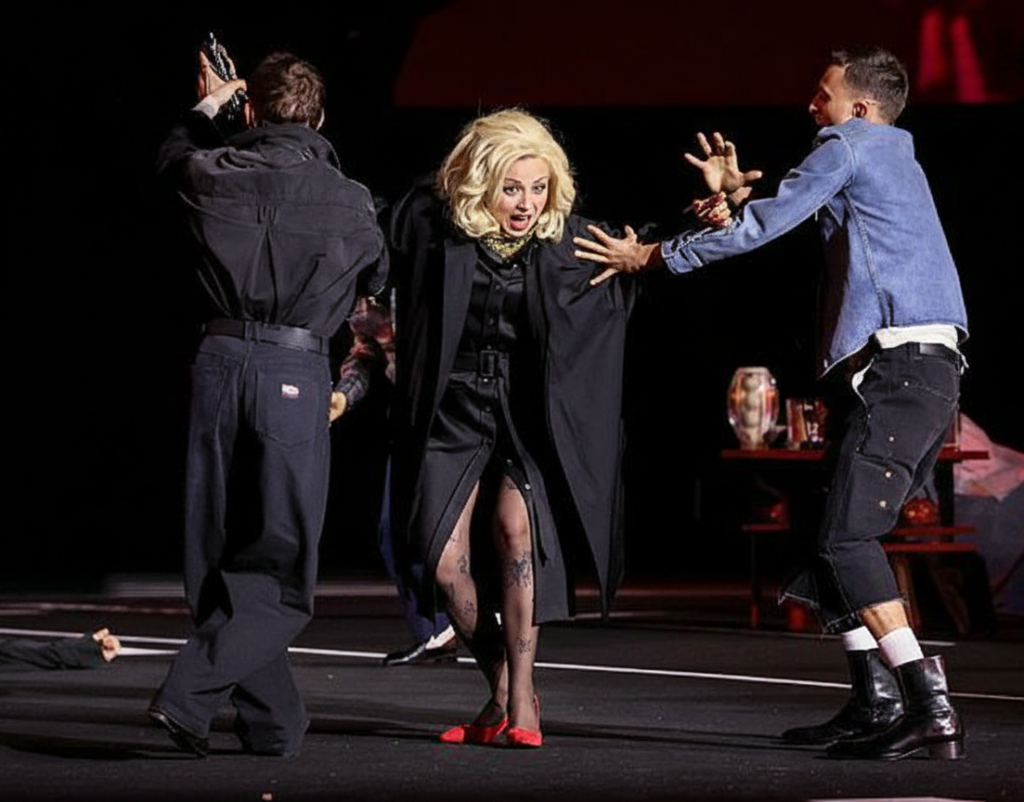
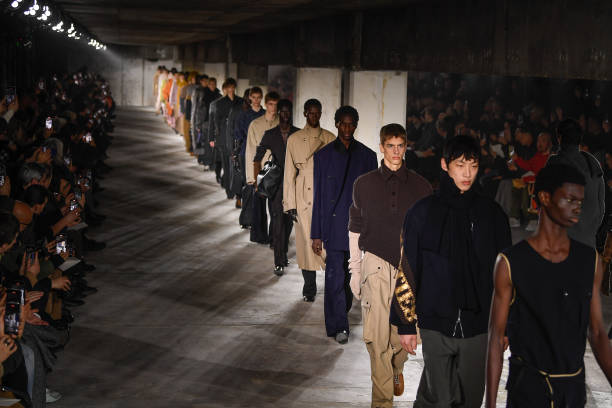
One of the defining features of Paris Fashion Week Men’s FW26 was the increasing integration of digital experiences. From live-streamed shows to cinematic runway presentations, brands embraced technology to expand reach and engagement.
Several designers opted for hybrid formats—combining physical runway shows with digital storytelling—to connect with global audiences unable to attend in person. This shift reflects a growing industry understanding that fashion weeks must now cater to both in-person buyers and online consumers.
According to fashion industry analysis published by Vogue, digital-first strategies are becoming essential as brands compete for attention in a crowded content ecosystem, a trend clearly visible throughout Paris Fashion Week Men’s FW26.
Independent Designers Face Market Challenges
While luxury houses thrived, Paris Fashion Week Men’s FW26 also highlighted the challenges faced by independent designers. Rising production costs, cautious buyers, and a tighter wholesale market made visibility and commercial success harder to achieve.
Despite these hurdles, several emerging brands stood out by offering niche aesthetics, sustainable materials, and direct-to-consumer strategies. Their presence reinforced the idea that innovation often comes from smaller players willing to take creative risks.
Fashion analysts covering Paris Fashion Week Men’s FW26 noted that adaptability and digital savvy are now just as important as design talent for independent labels hoping to survive and grow.
The Business of Fashion Meets Artistic Expression
At its core, Paris Fashion Week Men’s FW26 underscored fashion’s dual identity as both an art form and a business. Strategic collaborations, brand partnerships, and carefully curated runway narratives revealed how labels are adapting to economic uncertainty.
Luxury brands used the event to reassure investors and consumers alike—emphasizing craftsmanship, heritage, and long-term value. Meanwhile, experimental presentations reminded audiences that creativity remains fashion’s most powerful currency.
This balance between commerce and creativity has become a defining characteristic of Paris Fashion Week Men’s FW26, reflecting broader shifts within the global fashion industry.
Celebrity Influence and Media Impact
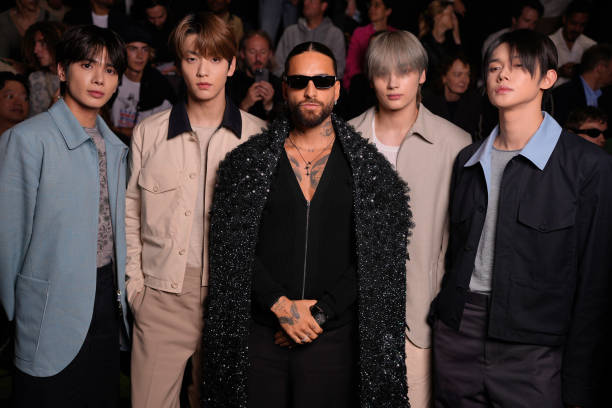
Celebrity attendance and media buzz continued to amplify the global reach of Paris Fashion Week Men’s FW26. High-profile guests, influencers, and fashion editors ensured that runway moments quickly translated into viral content across social platforms.
This media amplification reinforces Paris Fashion Week’s role not just as an industry trade event, but as a global cultural moment—one that shapes trends far beyond the fashion world.
Why Paris Fashion Week Men’s FW26 Matters Globally
The importance of Paris Fashion Week Men’s FW26 extends beyond seasonal trends. The event provided insight into how luxury fashion is responding to shifting consumer behavior, economic pressures, and rapid technological change.
As discussed in broader fashion industry coverage within FFRNEWS Fashion, global fashion weeks are evolving into strategic platforms where creativity, commerce, sustainability, and digital innovation intersect. Paris remains at the forefront of this transformation.
Coverage of Paris Fashion Week Men’s FW26 aligns with broader global fashion reporting from leading industry publications such as Vogue, which analyzed key runway takeaways and the increasing role of digital presentation in modern fashion weeks. These insights complement ongoing FFRNEWS Fashion reporting on luxury markets, creative innovation, and the evolving business of style.
Readers interested in how global fashion trends intersect with culture, innovation, and consumer behavior can explore more fashion-focused stories through FFRNEWS’ dedicated fashion coverage, while international runway analysis and designer insights are further contextualized through trusted external fashion journalism.