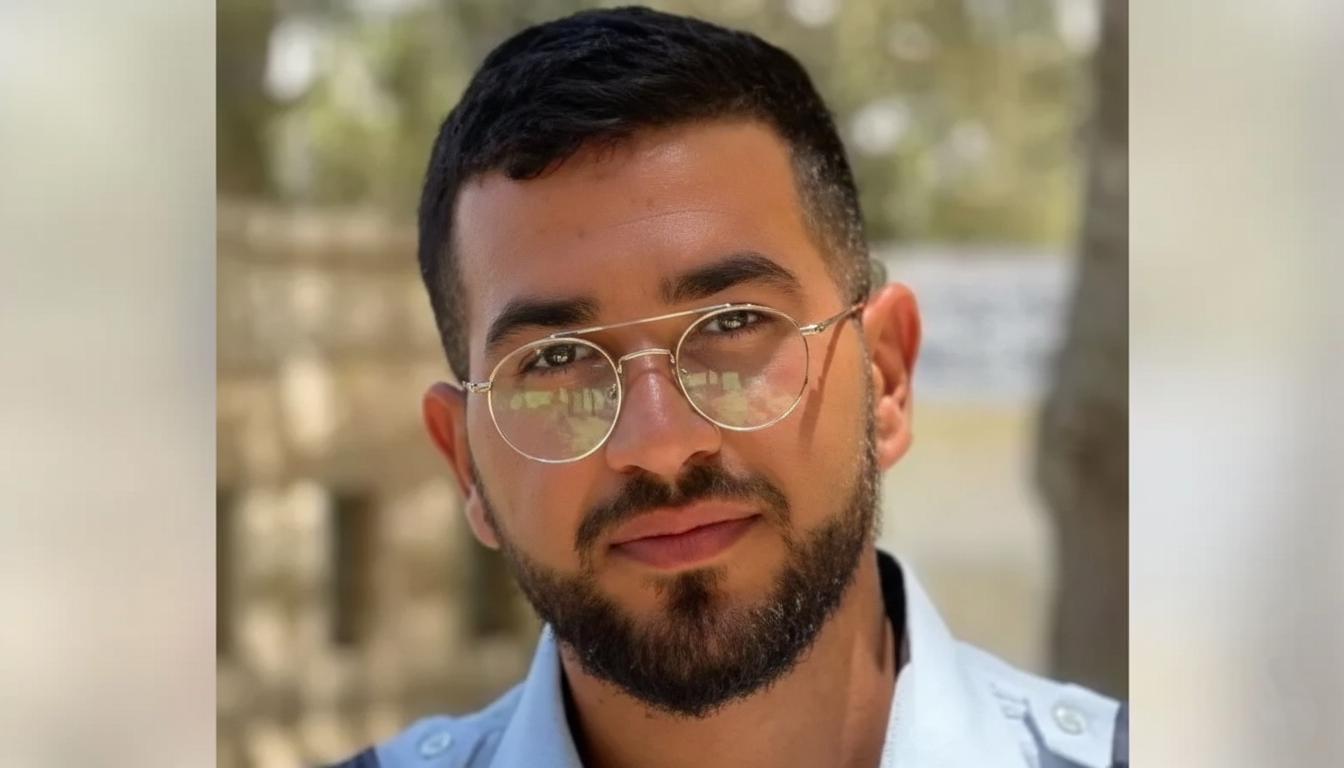
Gaza hostage remains retrieved after Israeli forces confirmed the recovery of the body of Master Sgt Ran Gvili, the final Israeli captive held in Gaza since the Hamas-led attack of October 7, 2023. The announcement marks the end of a prolonged and emotionally charged chapter for Israel, concluding more than two years of uncertainty surrounding the fate of hostages taken during the deadliest attack in the country’s history.
Israeli Prime Minister Benjamin Netanyahu described the recovery as an “extraordinary achievement,” saying it fulfilled a promise made to the families of the abducted. With Gvili’s return, Israel now confirms that all hostages from Gaza — both living and deceased — have been recovered, a milestone with major political, military, and diplomatic implications.
Final Hostage Recovered After Ceasefire Intelligence Breakthrough
Israeli military officials said intelligence clarification over the weekend allowed forces to locate Gvili’s remains in a cemetery near Gaza City. The area lies along the so-called “Yellow Line,” territory that remains under Israeli control as part of the ceasefire agreement reached with Hamas in October.
The Israel Defense Forces (IDF) stated that the search operation began early Sunday morning and concluded successfully after targeted excavation efforts. According to military sources, the recovery was made possible after Hamas’s armed wing provided mediators with precise information regarding the burial site.
Hamas spokesman Hazem Qassem said the group had “kept updating mediators with all necessary details,” describing the outcome as confirmation of its commitment to the ceasefire terms.
Who Was Ran Gvili
Master Sgt Ran Gvili was a 24-year-old Yamam commando and police officer who was killed during the Hamas attack on southern Israel on October 7, 2023. His body was abducted to Gaza during the assault, making him one of the 251 hostages taken that day.
For 843 days, Gvili’s fate remained unresolved, even as other hostages — both living and deceased — were gradually returned through negotiations and exchanges. His status became a central obstacle in moving forward with later phases of the ceasefire agreement.
Emotional Closure for Family and Nation
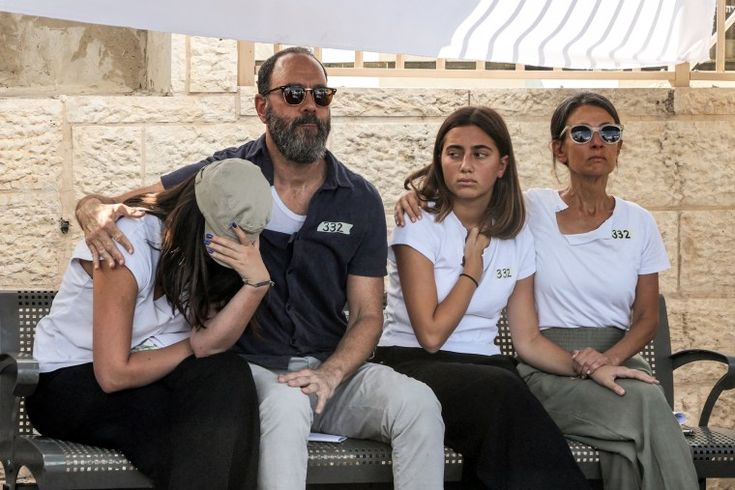
In Israel, Gvili’s father, Itzik Gvili, delivered an emotional farewell in front of his son’s coffin, praising his bravery and sense of duty.
“You had the option to stay home,” he said. “But you chose to stand with your friends. The entire nation is here with you. I am proud of you, my son.”
Gvili’s sister, Shira, told the Hostages and Missing Families Forum that the family felt both relief and profound sadness.
“I am relieved. I am heartbroken. But he is coming home,” she said.
Across Israel, the recovery was met with solemn reflection rather than celebration, underscoring the heavy human cost of the conflict.
Political Significance and Ceasefire Progress
The confirmation that Gaza hostage remains retrieved removes a major obstacle to advancing the ceasefire framework backed by the United States. Israeli officials had previously insisted that progress toward phase two would not begin until Gvili was located.
Netanyahu’s office announced that Israel will now reopen the Rafah border crossing with Egypt, a key humanitarian and commercial gateway into Gaza, once final operational steps are completed.
Phase two of the ceasefire plan includes:
- Full demilitarisation of Gaza
- Disarmament of Hamas and allied militant groups
- Deployment of an International Stabilization Force (ISF)
- Gradual withdrawal of Israeli troops
However, Israeli and international officials acknowledge that these steps remain deeply contentious and politically sensitive.
Trump Reacts to Hostage Recovery
US President Donald Trump reacted swiftly to the announcement, posting on Truth Social that Israel had recovered “ALL of the Dead” and returned all living hostages.
“Most thought it was impossible,” Trump wrote, congratulating his administration and Israeli forces.
The recovery aligns closely with Trump’s broader Middle East peace initiative, which aims to stabilize Gaza through security restructuring and international oversight following the conflict.
A Conflict That Reshaped the Region
The October 7, 2023 attack killed approximately 1,200 people in Israel and triggered a massive Israeli military response in Gaza. According to Gaza’s Hamas-run health ministry, Israel’s campaign has resulted in more than 71,600 Palestinian deaths, a figure that remains disputed internationally.
Over the course of the conflict, most hostages were released alive through negotiated exchanges involving Palestinian prisoners and detainees. Others were returned posthumously, often months or years after their deaths.
This is the first time since 2014 that no Israeli hostages — living or dead — are believed to be held in Gaza.
Unanswered Questions Remain
Despite the symbolic closure, critical questions remain unresolved:
- How will Hamas be fully disarmed?
- Who will govern and secure Gaza long-term?
- What role will international forces realistically play?
- Can reconstruction begin without renewed violence?
Analysts warn that while the hostage chapter has ended, the path toward lasting peace remains uncertain and fragile.
This report is part of FFRNEWS World & Middle East coverage, tracking major political developments, ceasefire negotiations, and humanitarian outcomes related to the Israel-Gaza conflict. Details in this article are based on reporting by BBC News, which first confirmed the recovery of the final hostage remains and the political implications tied to the ceasefire process.