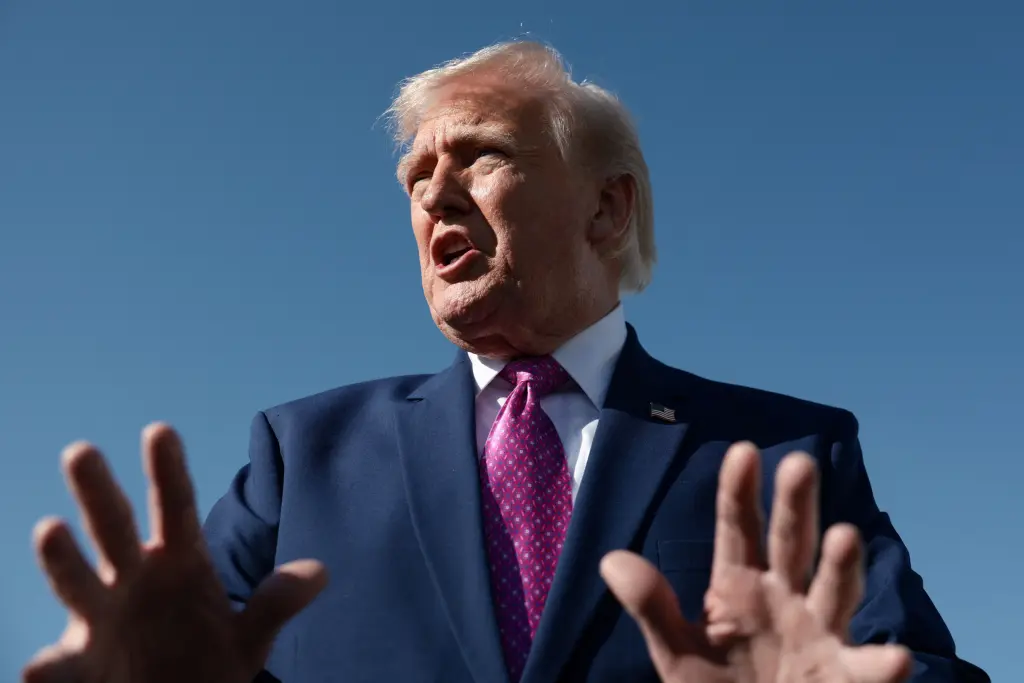
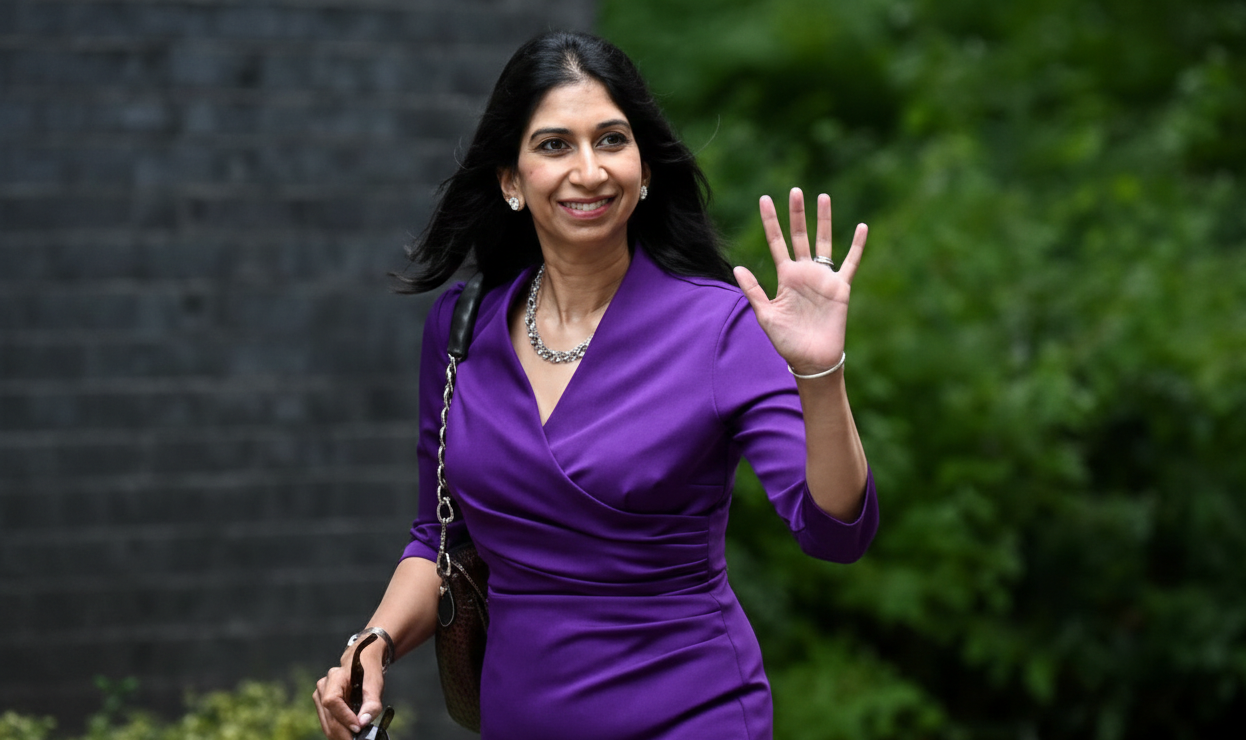
Suella Braverman Reform UK defection has emerged as one of the most disruptive political developments in the United Kingdom this year, signaling a sharp break within the Conservative Party and accelerating the rise of Nigel Farage’s anti-establishment movement. The former Home Secretary’s decision to abandon the Tories and formally align herself with Reform UK reflects not only personal political recalibration but also deeper ideological fractures reshaping Britain’s political landscape.
Her move has reignited debates around immigration, law and order, political rhetoric, and party unity at a moment when voter trust in traditional institutions is already fragile.
Who Is Suella Braverman and Why Her Move Matters
Suella Braverman has been one of the most recognizable and polarizing figures in modern Conservative politics. Serving twice as Home Secretary, she built her profile around tough stances on immigration, policing, and national sovereignty. Supporters viewed her as a straight-talking conservative voice; critics accused her of inflammatory rhetoric that often pushed the boundaries of political discourse.
Her defection matters because Braverman was not a fringe figure. She represented the ideological hard-right of the Conservative Party and was frequently touted as a future leadership contender. Losing such a high-profile figure underscores the extent to which internal cohesion within the Tories has deteriorated.
What Triggered the Suella Braverman Reform UK Defection
The immediate controversy surrounding Braverman’s defection followed reports of a briefing that referenced sensitive mental health issues in a political context, which was later retracted after public backlash. While allies insisted the episode was mischaracterized, critics said it symbolized a pattern of provocative messaging that had become untenable within the Conservative leadership.
Behind the scenes, however, the rift had been building for months. Braverman had grown increasingly critical of what she described as Conservative Party drift — accusing party leaders of abandoning core voters on immigration enforcement, policing priorities, and national identity.
Her decision to join Reform UK suggests she believes those policies can no longer be pursued from within the Conservative framework.
Nigel Farage and Reform UK Gain a Major Political Asset
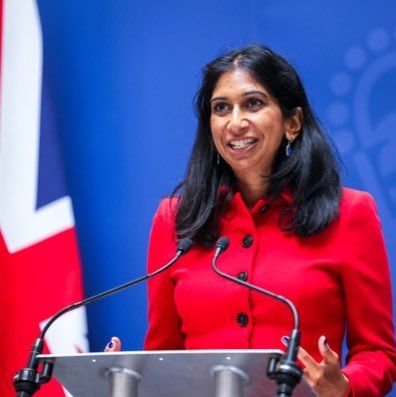
For Nigel Farage, Braverman’s arrival is a strategic victory. Reform UK has long positioned itself as the authentic voice of voters disillusioned with both Labour and the Conservatives. Bringing in a former Home Secretary lends the party a level of institutional credibility it previously lacked.
Farage welcomed the move as proof that Reform UK is transitioning from a protest party into a serious political force capable of attracting senior figures with governing experience. Party insiders believe Braverman could play a central role in shaping Reform UK’s policy platform ahead of upcoming national and local elections.
The Suella Braverman Reform UK defection also strengthens Farage’s claim that Reform is becoming the natural home for right-leaning voters who feel politically homeless.
Conservative Party Fractures Deepen
Braverman’s departure has intensified existing tensions within the Conservative Party. Senior figures publicly downplayed the significance of her defection, but privately many MPs worry it could trigger further exits or embolden backbench rebellions.
The Conservatives are already struggling with declining poll numbers, voter fatigue, and internal disagreements over immigration policy, fiscal discipline, and leadership direction. Losing a prominent hard-line voice risks alienating a segment of the party’s traditional base, particularly in constituencies where Reform UK has been gaining traction.
Political analysts warn that vote-splitting on the right could significantly alter electoral outcomes in marginal seats.
Why the Defection Resonates With Voters
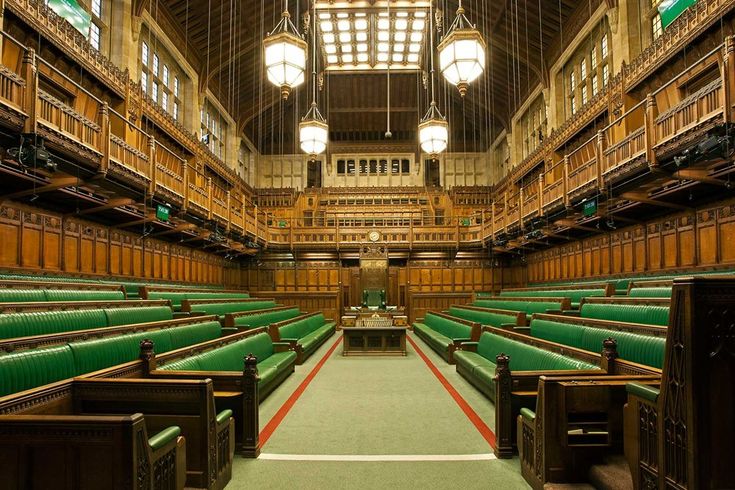
The Suella Braverman Reform UK defection resonates because it reflects a broader shift in voter sentiment. Across the UK, frustration with mainstream politics has fueled support for parties that promise disruption rather than continuity.
Many voters who supported Brexit feel the political establishment failed to deliver the scale of change they were promised. Braverman’s rhetoric — focused on sovereignty, borders, and law enforcement — aligns closely with those grievances.
By joining Reform UK, she is positioning herself as a voice for voters who believe the Conservative Party has lost its ideological clarity and political courage.
What This Means for UK Politics Going Forward
In the short term, Braverman’s move is likely to intensify media scrutiny of Reform UK and force the Conservative leadership to confront uncomfortable questions about party unity and voter loyalty. Reform UK could see a surge in donations, membership, and media exposure as a result.
In the longer term, the defection may accelerate the fragmentation of Britain’s right-wing vote, complicating electoral math in both local councils and parliamentary contests. Whether Reform UK can translate momentum into sustained electoral success remains uncertain, but Braverman’s presence raises the party’s profile significantly.
The episode also highlights a political environment increasingly defined by ideological realignment rather than traditional party loyalty.
This reporting draws on political analysis and coverage from major UK outlets including developments tracked by FFR News’ politics desk, where ongoing shifts inside Britain’s major parties are closely monitored through the broader political landscape at FFRNEWS. Additional context on Suella Braverman’s defection, Conservative Party reactions, and Reform UK’s strategic ambitions has been widely examined by British media organizations such as the BBC and The Guardian, which have documented the growing ideological divide within the UK right and Nigel Farage’s efforts to capitalize on voter dissatisfaction.