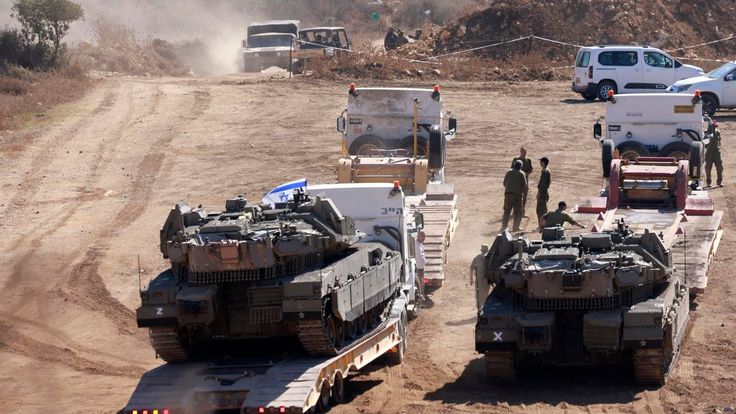
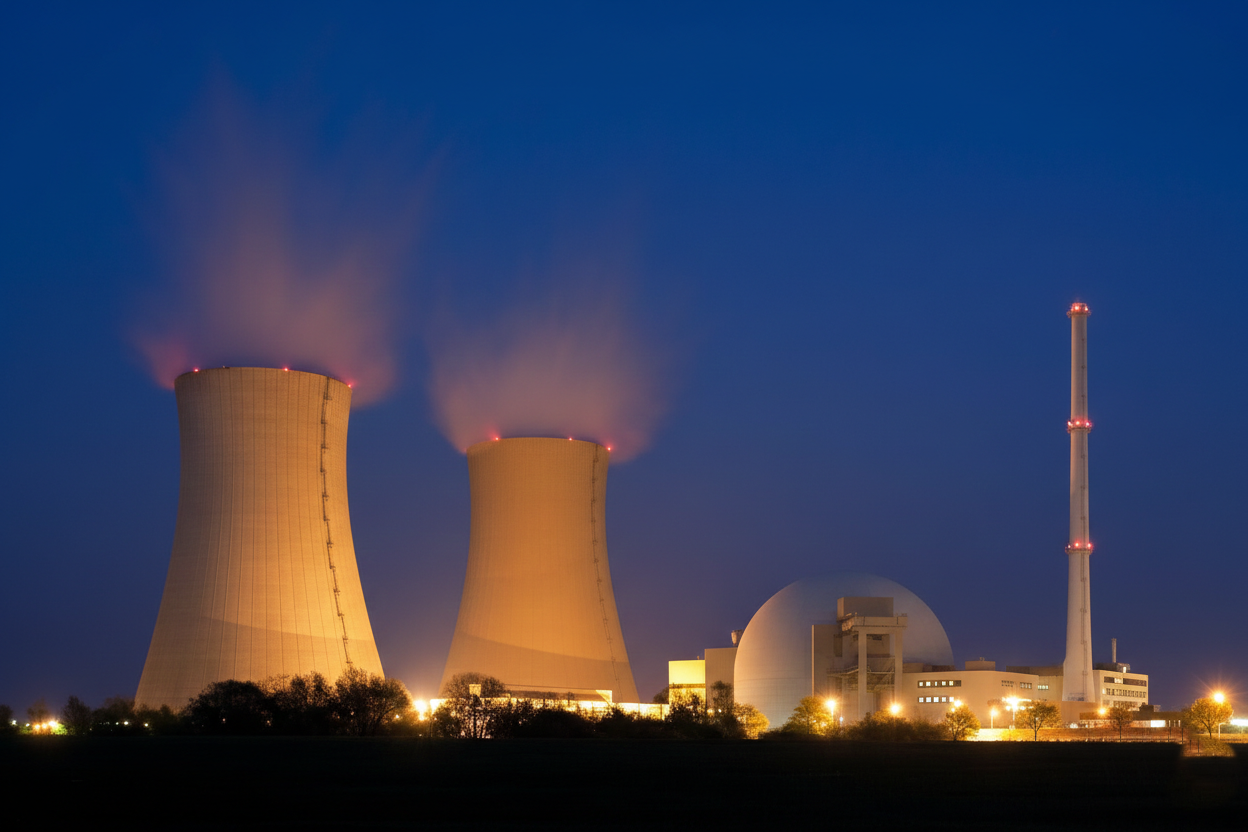
Germany nuclear power debate has resurfaced across political, military, and economic circles as Europe faces its most fragile security environment in decades. While Germany remains firmly committed to nuclear non-proliferation, rising geopolitical tensions, shifting U.S. defense priorities, and economic pressures are forcing Berlin to confront uncomfortable strategic questions about its future role in European security.
Although Germany does not possess nuclear weapons and is legally bound by international treaties, analysts say the discussion itself reflects deeper anxieties about deterrence, sovereignty, and long-term stability.
Germany’s Legal and Treaty Constraints
Germany is a signatory to the Nuclear Non-Proliferation Treaty (NPT) and the Treaty on the Final Settlement with Respect to Germany, which explicitly prohibit the country from developing or possessing nuclear weapons.
Instead, Germany participates in NATO’s nuclear sharing arrangement, hosting U.S. nuclear weapons on its territory without having operational control over them. Any move toward becoming a nuclear power would require Germany to withdraw from multiple binding treaties — a step experts say would fundamentally reshape Europe’s political order.
Security Concerns Driving the Debate
Russia’s continued war posture, instability in Eastern Europe, and growing doubts about long-term U.S. military commitments have intensified security debates in Berlin.
German policymakers are increasingly discussing whether Europe can rely indefinitely on external nuclear deterrence. While France maintains its own nuclear arsenal, Germany has historically depended on NATO guarantees rather than pursuing independent deterrence.
Defense analysts stress that the debate is less about immediate weaponisation and more about strategic vulnerability in a rapidly changing global order.
Economic and Financial Barriers to Nuclear Armament
From an economic standpoint, Germany faces massive obstacles to becoming a nuclear power. Developing a nuclear weapons program would require tens of billions of euros in infrastructure, research, enrichment capabilities, and delivery systems.
Germany’s economy is already under pressure from high energy costs, slowing industrial output, and heavy defense modernization spending following years of underinvestment. Economists warn that pursuing nuclear weapons would divert funds from climate goals, social spending, and industrial competitiveness.
Financial markets also view treaty violations as a major risk, potentially triggering sanctions, capital flight, and long-term investment damage.
Political Reality Inside Germany
Public opinion in Germany remains strongly anti-nuclear, shaped by decades of pacifist tradition and post-World War II restraint. Major political parties — including the Social Democrats, Greens, and Christian Democrats — officially reject nuclear weapons development.
The Greens, a key coalition partner, remain firmly opposed to both nuclear energy expansion and any nuclear weapons discussion, making policy reversal politically improbable under current leadership.
Any move toward nuclear armament would face constitutional challenges, coalition collapse, and widespread public backlash.
Europe’s Alternative Path to Nuclear Security
Rather than pursuing its own nuclear weapons, Germany is focusing on strengthening European defense integration, conventional military capacity, and strategic cooperation with France.
Berlin has increased defense spending, modernized its armed forces, and supported EU-wide security initiatives aimed at reducing reliance on unilateral deterrence. Analysts argue this path allows Germany to enhance security without violating treaties or destabilizing Europe.
France’s nuclear umbrella, combined with NATO coordination, remains the most realistic deterrence framework for Germany.
Will Germany Become the Next Nuclear Power?
Despite growing debate, experts overwhelmingly agree that Germany becoming a nuclear power is highly unlikely in the foreseeable future. Legal barriers, economic costs, political resistance, and diplomatic consequences far outweigh any perceived strategic benefit.
Instead, the renewed discussion highlights Europe’s broader struggle to adapt to a multipolar world where security guarantees can no longer be taken for granted.
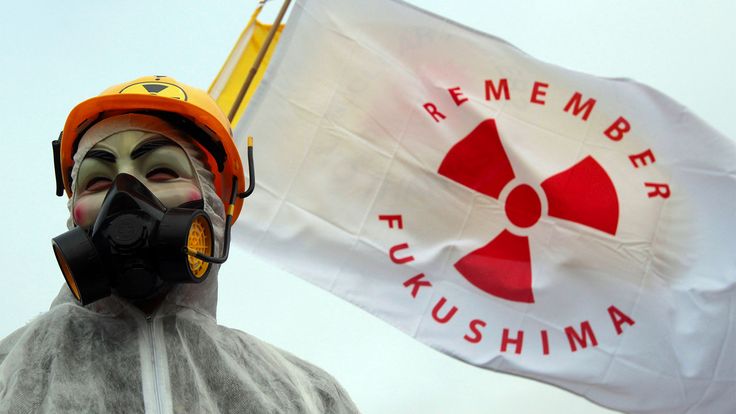
This article is analysis and reporting from FFR NEWS which have closely tracked Europe’s evolving security posture, Germany’s defense policy shifts, and NATO nuclear deterrence discussions on nuclear.