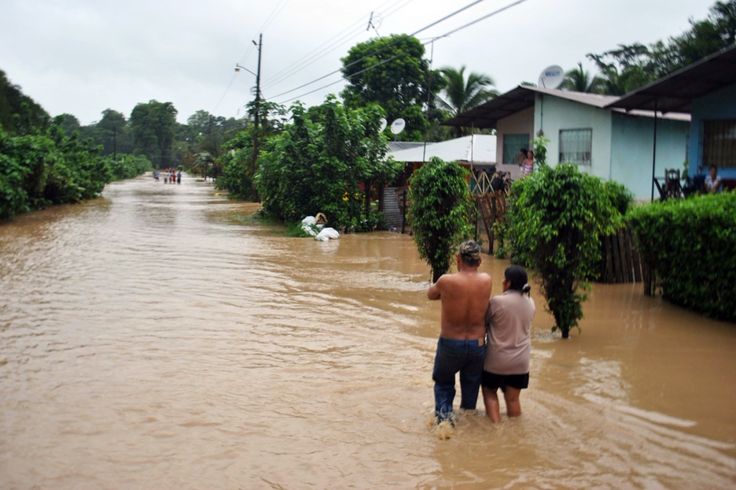
Costa Rica climate crisis has taken a dire toll on La Carpio, a low‑income community on the outskirts of San José, where residents are living amid near‑constant landslide and flooding threats. Extreme weather events linked to climate change have made everyday life increasingly dangerous — and many families are now considering relocation as they grapple with continuous risk and limited government assistance.
The situation in La Carpio reflects broader vulnerabilities across Central America, where climate change is not a future threat but a daily reality. People living in informal settlements, unstable terrains, or flood‑prone areas are bearing the brunt of severe weather, with inadequate infrastructure and weak policy responses compounding the crisis.
Extreme Weather Linked to Climate Change Strikes La Carpio
La Carpio, once a quiet neighbourhood on the northern edge of Costa Rica’s capital, is now frequently hit by heavy rains that trigger landslides and inundate narrow streets. Residents say rainfall patterns have shifted in recent years, with prolonged downpours followed by sudden flooding.
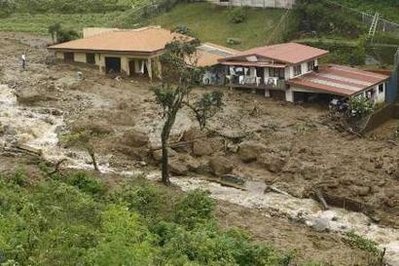
Local families report that soil erosion and unstable hillsides have worsened over time, making landslides a constant risk. In many cases, water washes away soil and vegetation, undermining foundations and threatening homes built on steep terrain.
Experts attribute these weather extremes to climate change, which intensifies rainfall events and raises sea surface temperatures — factors that increase the likelihood of floods and landslides in vulnerable regions such as Central America.
Living Conditions Described as ‘Inhumane’ by Residents
For residents of La Carpio, the threat of landslides and flooding has become an everyday hazard. Many households are located below steep hills or near riverbanks that swell rapidly during storms.
Several families interviewed by media described living conditions as “inhumane.” They face constant anxiety, property damage, water entering homes, and a lack of safe evacuation routes. Some parents fear for their children’s safety, noting that simple activities like going to school can be life‑threatening when heavy rains begin.
One resident, Maria (name changed for privacy), said that during the last storm, water rose knee‑deep inside her home, carrying mud and debris. “We had to move our beds and furniture on chairs just to keep them dry,” she said. “Every rainy season feels like a battle for survival.”
Government Response Has Been Slow and Limited
Despite repeated appeals to local and national authorities, many in La Carpio feel that government action has been slow or ineffective. While emergency crews occasionally provide sandbags or temporary assistance, residents say structural solutions — such as retaining walls, drainage systems, or relocation support — have not materialised.
Some community leaders say that bureaucratic delays, funding constraints, and competing policy priorities have prevented meaningful intervention. Others argue that climate adaptation has not been adequately integrated into national development plans, leaving vulnerable communities exposed.
Costa Rica has been praised globally for progressive environmental policies, particularly in renewable energy and forest conservation. However, critics say that adaptation measures for climate‑impacted communities — especially low‑income ones — lag far behind mitigation efforts.
Families Consider Forced Relocation for Safety
With landslide and flood risks escalating, a growing number of families in La Carpio are contemplating relocation. Some have sold belongings and started searching for safer areas, while others are attempting to fortify homes with sandbags, drainage trenches, or makeshift barriers.
Relocation, however, is easier said than done. Land prices near urban centres are high, and affordable housing options are limited. For families with deep community ties and informal work arrangements in La Carpio, moving away presents economic and social challenges.
One local teacher explained that while relocation might provide safety, it could also disrupt children’s schooling, employment networks, and access to services — creating a difficult trade‑off between security and stability.
Climate Vulnerability in Central America
La Carpio is not an isolated case. Across Central America, communities in Honduras, Guatemala, Nicaragua, and Panama face similar climate‑induced threats. Heavy rains, tropical storms, and shifting weather patterns have increased the frequency and severity of landslides and floods over the past decade.
Researchers note that the region is particularly vulnerable due to:
- Rapid urbanisation in flood‑prone zones
- Deforestation and soil degradation on hillsides
- Insufficient infrastructure for stormwater management
- Limited emergency planning and early warning systems
Climate scientists warn that without substantial adaptation measures and investment in resilient infrastructure, these trends are likely to worsen, displacing even more people and deepening inequality.
Climate Adaptation and Policy Gaps
Costa Rica has made strides in areas such as renewable energy and carbon neutrality goals, but climate adaptation strategies targeted at local disaster risk reduction have been criticised as underfunded and fragmented.
Experts argue that adaptation requires not just reactive relief efforts but systemic planning — such as:
- Building retaining walls and terraces
- Improving canal and drainage networks
- Implementing early warning systems
- Enforcing zoning regulations away from high‑risk zones
- Providing relocation assistance and housing subsidies
Without coordinated policy and sustained investment, vulnerable communities will continue to bear the brunt of climate impacts with limited tools to protect themselves.
International Support and Climate Financing
Several international organisations have expressed interest in supporting climate adaptation in Central America, including the United Nations Development Programme (UNDP), World Bank, and regional development banks. These institutions provide technical expertise, funding for infrastructure projects, and climate resilience frameworks.
However, accessing climate finance remains a hurdle for many developing nations due to complex application processes, mismatched priorities, and limited technical capacity at the local government level.
Advocates argue that climate finance must become more accessible and responsive to frontline community needs, rather than focusing solely on macro‑level projects.
Looking Ahead: Resilience or Relocation?
For La Carpio residents, the question is no longer whether climate change is real — it’s how to survive it. As landslides and floods become more unpredictable and severe, families face difficult choices about staying in place or resettling elsewhere.
The village’s plight highlights a broader imperative for countries to invest not only in cutting emissions but also in protecting communities already living with the impacts of the climate crisis.
La Carpio stands as a stark reminder that the cost of inaction is measured not in abstract projections, but in everyday lives disrupted by extreme weather and inadequate governance responses.
This report is part of FFRNEWS Environment coverage, tracking major environmental and climate developments worldwide. Details in this article are based on reporting by The Guardian, which first brought attention to the situation unfolding in the Costa Rican community of La Carpio and its growing vulnerability to climate‑related landslides and flooding.