
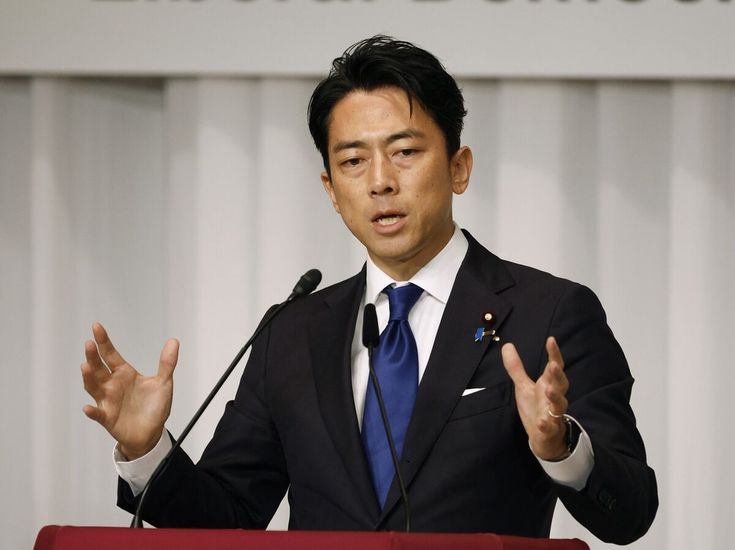
Japan election 2026 is officially underway, marking a pivotal moment for the country as voters head to the polls amid economic uncertainty, regional security concerns, and shifting political dynamics. Early projections suggest that Sanae Takaichi, a senior figure within the ruling Liberal Democratic Party (LDP), is positioned as a strong contender, with opinion polls indicating significant public support despite challenges facing her party.
The outcome of the election is expected to influence Japan’s domestic policies, economic strategy, and geopolitical posture across East Asia, making it one of the most closely watched political events in the region this year.
High Stakes as Voters Decide Japan’s Future Direction
The Japan election 2026 comes at a time when public trust in political institutions is being tested. Rising living costs, demographic pressures, and concerns over national security have dominated the campaign trail, forcing candidates to address issues that directly affect everyday life.
Sanae Takaichi has centered her campaign on economic resilience, technological innovation, and national defense, themes that resonate strongly with conservative voters and segments of the business community. Her messaging emphasizes stability and continuity while promising reforms to strengthen Japan’s global competitiveness.
Opposition parties, meanwhile, have focused on income inequality, social welfare expansion, and political transparency, arguing that the LDP’s long-standing dominance has limited meaningful reform.
Sanae Takaichi’s Political Rise and Policy Vision
Takaichi’s emergence as a leading contender reflects her growing influence within the LDP and her appeal to voters seeking decisive leadership. Known for her firm stance on defense and national sovereignty, she has advocated for increased military readiness and stronger alliances with regional partners.
Economically, Takaichi has pledged to support domestic industries, accelerate digital transformation, and invest in artificial intelligence and advanced manufacturing. Her platform aligns closely with Japan’s long-term strategy to remain competitive amid rapid technological change and global economic shifts.
Supporters see her as a leader capable of navigating regional tensions, particularly with neighboring powers, while critics warn that her hardline positions could strain diplomatic relations.
Liberal Democratic Party Faces Internal and External Challenges
Despite Takaichi’s strong polling position, the LDP enters the Japan election 2026 facing notable challenges. Public dissatisfaction over inflation, wage stagnation, and recent political controversies has eroded confidence among some voters.
Internal divisions within the party have also surfaced, with differing views on fiscal policy, defense spending, and social reforms. While the LDP remains Japan’s most powerful political force, analysts caution that voter turnout and shifting demographics could affect its performance.
Still, the party’s extensive organizational network and historical dominance provide a structural advantage, particularly in rural areas where loyalty to the LDP remains strong.
Opposition Parties Seek to Capitalize on Voter Fatigue
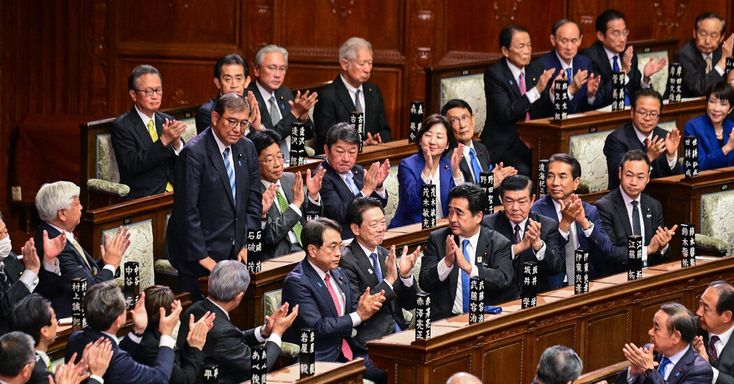
Opposition parties have framed the election as an opportunity to break decades of LDP control and introduce new leadership. Campaigns have emphasized transparency, cost-of-living relief, and stronger social safety nets, appealing to younger voters and urban populations.
However, fragmented opposition forces and limited coordination have made it difficult to present a unified alternative. Political analysts note that while opposition parties may gain seats, translating public frustration into electoral victory remains a significant challenge.
The Japan election 2026 may ultimately hinge on whether undecided voters prioritize stability or change in a time of global uncertainty.
Economic Concerns Dominate the Campaign
Economic issues have been central to voter concerns throughout the campaign. Japan continues to grapple with inflationary pressures, a weakening yen, and long-term demographic challenges linked to an aging population and declining birth rates.
Takaichi has proposed targeted tax incentives, support for small and medium-sized enterprises, and expanded investment in innovation-driven industries. Her economic agenda aims to balance fiscal discipline with strategic spending to stimulate growth.
Opposition leaders argue that more aggressive redistribution policies are needed to address inequality and protect vulnerable populations, highlighting differing visions for Japan’s economic future.
Regional and Global Implications of the Election
The outcome of the Japan election 2026 carries significant implications beyond the country’s borders. Japan plays a critical role in regional security, particularly in relation to East China Sea tensions, North Korea’s missile program, and broader Indo-Pacific dynamics.
A Takaichi-led government is expected to strengthen defense ties with allies and maintain a firm stance on territorial integrity. This approach could reinforce Japan’s role as a key security partner but may also intensify diplomatic challenges with neighboring countries.
Global markets are also watching closely, as Japan’s economic policies influence regional trade, currency stability, and international investment flows.
Voter Turnout and Youth Engagement
Voter turnout remains a key uncertainty in the Japan election 2026. Younger voters, historically less engaged in national elections, have become a focal point for campaigns addressing employment opportunities, housing affordability, and climate policy.
Digital campaigning and social media outreach have played a larger role than in previous elections, reflecting changing communication habits and efforts to mobilize younger demographics.
Political observers note that higher youth participation could reshape electoral outcomes, particularly in urban constituencies where political preferences differ from traditional voting patterns.
What Comes Next After Election Day
As polling continues, attention will soon turn to coalition negotiations, cabinet appointments, and policy implementation. If Sanae Takaichi secures victory, she is expected to move quickly to assert leadership and stabilize both markets and party dynamics.
A weaker-than-expected showing for the LDP could prompt internal restructuring and policy recalibration, regardless of who ultimately forms the government.
The Japan election 2026 represents a defining moment, testing whether continuity or reform will guide the country through its next political chapter.
This report is part of FFRNEWS Politics & Asia coverage, tracking elections, leadership shifts, and geopolitical developments across the region. Reporting is based on international media analysis, polling data, and regional political commentary.