

Thai Silk Medical innovation is gaining global attention as researchers at Chulalongkorn University in Bangkok are pioneering a breakthrough project that repurposes traditional Thai silk into a versatile platform for biomedical products. This cutting-edge research — known as the SilkLife project — seeks to reduce Thailand’s reliance on imported biomaterials, create sustainable income for rural farmers, and position Thai silk as a competitive material in the global medical market.
Long celebrated for its cultural significance and exquisite texture, Thai silk may soon become equally revered for its biomedical potential. The SilkLife initiative, led by Associate Professor Dr. Juthamas Ratanavaraporn of Chulalongkorn’s Faculty of Engineering, is converting silk protein into a wide range of medical applications — from therapeutic patches and artificial tissues to injectable joint gels — with promising early results.
Thai Silk’s Biomedical Advantages
At the core of the Thai Silk Medical innovation is fibroin, the primary protein derived from silk. This naturally occurring biomaterial is prized for several properties that make it especially suitable for medical use:
- Biocompatibility: It integrates safely with human tissue.
- Biodegradability: Fibroin naturally breaks down into amino acids that the body can absorb.
- Strength: Silk’s native structure provides durability for medical applications.
- Unique chemistry: The hydrophobic (water-repelling) structure of Thai silk and its natural golden hue allow it to bind effectively with certain drug compounds, ideal for targeted drug delivery.
Unlike many imported biomaterials — such as collagen and hyaluronic acid — Thai silk fibroin can offer a homegrown, sustainable alternative that is both effective and cost-efficient.
Comprehensive Value Chain Approach
One of the distinguishing aspects of the Thai Silk Medical project is its vertically integrated value chain, which spans from farming to advanced medical production.
Researchers have established a structured organic silkworm farming initiative on five rai of land in Ratchaburi province, certified under Thailand’s organic agriculture standards, ensuring consistent quality from the earliest stages of production.
The controlled, closed-system rearing facilities — certified under Thai Agricultural Standard 8203 — train contract farmers in strict protocols to minimize contamination, guaranteeing a reliable supply of high-quality cocoons.
Once harvested, these cocoons are processed at a pilot plant that meets ISO 13485 manufacturing standards and ISO 10993 medical safety benchmarks — essential certifications for medical-grade materials.
This integrated approach ensures that every stage, from cocoon to finished product, meets stringent safety and performance criteria, positioning Thai silk as a viable biomedical resource rather than merely a cultural textile.
Early Medical Applications
The Thai Silk Medical initiative is already delivering practical and innovative prototypes that could transform patient care:
- Hydrogel Skin Patches: These patches deliver herbal pain-relief compounds over several hours without the side effects of high-dose oral medications.
- CBD Sleep Patches: Designed to slowly release cannabidiol for restful sleep, offering an alternative to traditional sleep aids.
- Biodegradable Scaffolds: Used for dental and tissue regeneration, these scaffolds support cell growth and tissue repair.
- Injectable Joint Gels: Silk-based gels are currently entering early-stage clinical trials at King Chulalongkorn Memorial Hospital, targeting chronic joint pain and mobility issues.
These innovations demonstrate the wide range of potential applications for silk as a medical polymer, from external therapeutic products to advanced internal biomaterials.
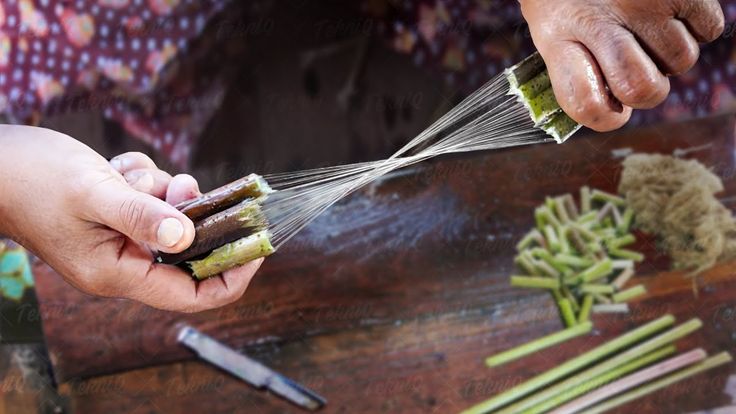
Economic Impact for Thai Farmers
A significant benefit of the Thai Silk Medical project is its ability to create new economic opportunities for rural communities. Under the SilkLife model, farmers producing medical-grade silk cocoons can command prices several times higher than conventional silk markets.
This shift could have lasting economic and social benefits:
- Increased rural incomes through premium silk sales.
- Agricultural diversification beyond traditional textile demand.
- Greater global competitiveness as Thailand establishes a new export category.
By empowering local silkworm farmers to participate in high-value medical markets, Thai silk innovation supports sustainable development and strengthens community livelihoods.
Global Medical Market Potential
Medical biomaterials represent one of the fastest-growing sectors in healthcare innovation, fueled by aging populations, chronic disease management, and technological advances in regenerative medicine. As a result, the Thai Silk Medical platform could position Thailand as a key contributor to global medical supply chains.
If successful, Thai silk-based biomaterials may compete with traditional imported compounds, reducing dependency and cost pressures for domestic healthcare providers while expanding opportunities for export markets.
Researchers emphasize that the versatility of silk fibroin allows it to be developed into dozens of potential products, each addressing unique medical needs and patient demographics.
Challenges and Future Outlook
While the project shows considerable promise, challenges remain. Achieving medical-grade quality requires three to four years of development across farming and processing stages, and building regulatory approval pathways for new biomedical products is a complex, time-intensive process.
However, early success with prototypes and ongoing clinical trials suggests that Thai silk could soon emerge as a globally recognized biomaterial innovation.
Experts believe the project’s holistic model — combining agricultural sustainability, rigorous quality standards, and biomedical applications — may serve as a blueprint for other countries seeking to harness local materials for healthcare innovation.
This report is part of FFRNews Innovation coverage, tracking cutting-edge breakthroughs in science, technology, and medical research. Reporting is based on official releases from Chulalongkorn University and global medical innovation analysis.