

The US bond market demand 2026 has remained exceptionally strong despite ongoing economic uncertainties and broader market volatility. Investors are increasingly turning to both high-grade and speculative-grade corporate bonds, while municipal bonds continue to attract attention due to their tax advantages and limited supply. This robust demand underscores the resilience of the fixed-income sector and highlights the critical role bonds play in both institutional portfolios and individual investment strategies.
Major corporations have recently issued significant amounts of debt, leveraging favorable financing conditions amid stable interest rates and steady investor appetite. At the same time, municipal bond offerings have maintained their appeal for buyers seeking secure income streams and tax efficiency. Together, these trends paint a picture of a bond market that continues to thrive despite challenges in equities and other risk-sensitive asset classes.
Drivers of Strong Demand in Corporate Bonds
Corporate bonds have seen renewed investor interest as companies seek to capitalize on favorable market conditions. High-grade corporate bonds, issued by companies with strong credit ratings, remain popular among conservative investors looking for steady income and lower default risk.
At the same time, speculative-grade or “junk” bonds have attracted attention due to higher yields amid a still-low interest rate environment. Investors willing to accept additional risk are increasingly targeting these instruments to enhance returns, particularly as inflation expectations remain relatively contained and economic growth shows resilience.
Issuance from large corporations has increased significantly, with companies tapping bond markets to fund expansion, mergers and acquisitions, or refinancing existing debt. This increase in supply has been met by equally strong demand, reflecting investor confidence in corporate creditworthiness and a desire to diversify portfolios with income-generating assets.
Municipal Bonds Remain Attractive
Municipal bonds, commonly issued by cities, states, and other local government entities, continue to benefit from favorable tax treatment and steady demand. Interest earned on most municipal bonds is exempt from federal income tax, and in some cases, state taxes as well. This feature makes them particularly attractive to high-net-worth investors seeking tax-efficient income.
Despite tight supply, municipal bonds are continuing to draw strong buying interest. Many local governments have issued bonds to fund infrastructure projects, schools, hospitals, and other public services. The scarcity of high-quality municipal bonds has only increased investor competition, helping maintain prices and stabilize yields.
Institutional Investors Driving Market Strength
Institutional investors, including pension funds, insurance companies, and mutual funds, have been significant contributors to the current US bond market demand 2026. These institutions rely heavily on fixed-income investments to balance portfolios, hedge risk, and ensure predictable cash flows.
The growing demand from institutional investors has helped absorb new bond issuance and maintain market stability, even as economic uncertainties continue. Pension funds, for example, often have long-term liabilities that necessitate holding significant quantities of bonds to match cash flow needs. Insurance companies similarly invest heavily in bonds to meet policyholder obligations and regulatory capital requirements.
Retail Investors Increasing Participation
Retail participation in the bond market has also grown, aided by technological advancements and online platforms that make fixed-income investing more accessible. Exchange-traded funds (ETFs) and bond mutual funds allow individual investors to purchase diversified bond portfolios with relative ease.
Amid ongoing market volatility, many retail investors view bonds as a safer alternative to equities, providing predictable income streams and potential capital preservation. With interest rates holding steady, investors are balancing risk and return by incorporating bonds into broader portfolio strategies.
Impact of Federal Reserve Policy
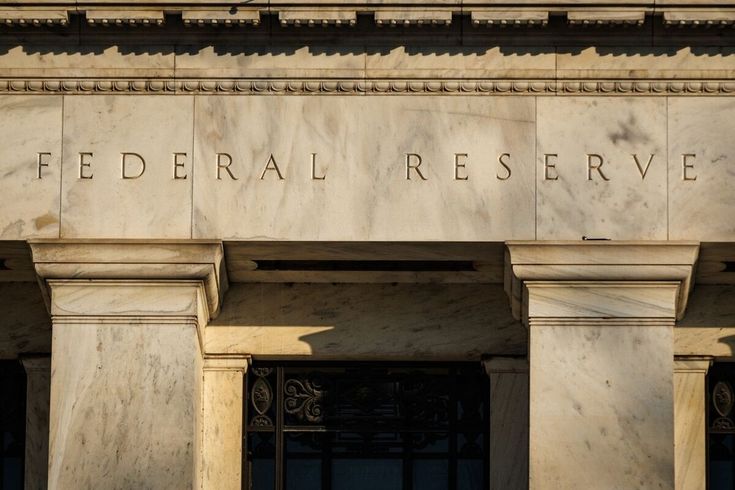
Federal Reserve policy continues to play a significant role in shaping the US bond market demand 2026. While the Fed has maintained rates to balance inflation and economic growth, investors remain attentive to potential future changes. Expectations for interest rate adjustments can significantly influence bond prices and yields.
Long-term bonds are particularly sensitive to Fed guidance, as shifts in monetary policy can affect the attractiveness of fixed-income investments relative to other asset classes. Nevertheless, demand has remained resilient, indicating that investors are confident in the underlying stability of U.S. debt markets.
Global Factors Affecting Bond Demand
Global economic trends have also influenced U.S. bond market activity. Economic uncertainties abroad, geopolitical tensions, and fluctuations in currency markets have prompted international investors to allocate more capital to U.S. bonds, seen as a relatively safe haven.
Foreign central banks and institutional investors often invest in U.S. Treasury bonds and high-grade corporate bonds to diversify reserves and manage risk. This inflow of foreign capital has supported bond prices and contributed to overall market stability.
Resilience Amid Economic Volatility
Despite periodic volatility in equities and other risk-sensitive asset classes, the bond market has demonstrated remarkable resilience. Investors continue to prioritize steady income, capital preservation, and portfolio diversification, all of which are facilitated by bonds.
Even speculative-grade corporate bonds have benefited from strong demand, indicating that investors are willing to take on higher risk for potential higher returns. The combination of strong corporate fundamentals, stable interest rates, and active institutional participation has sustained demand across multiple sectors of the bond market.
Market Outlook for 2026
Looking ahead, the US bond market demand 2026 is expected to remain robust, supported by both domestic and international investors. Market analysts anticipate continued corporate issuance, particularly in sectors such as technology, energy, and healthcare, which are investing heavily in growth and innovation.
Municipal bonds are also likely to remain attractive due to tax advantages and infrastructure spending initiatives. However, supply constraints may continue to challenge buyers seeking high-quality municipal bonds. Investors will continue to monitor macroeconomic indicators, Federal Reserve policy signals, and geopolitical developments, all of which can influence market dynamics.
Implications for Investors
For investors, the strong demand in the bond market underscores the importance of incorporating fixed-income instruments into diversified portfolios. Bonds can provide predictable income, reduce portfolio volatility, and serve as a hedge against economic uncertainty.
Understanding the characteristics of different bond types — including credit quality, maturity, and tax status — is critical for effective portfolio management. High-grade corporate bonds offer safety, speculative-grade bonds provide higher yield potential, and municipal bonds offer tax efficiency. By balancing these factors, investors can achieve both income generation and risk mitigation.
Conclusion
The US bond market demand 2026 reflects a resilient and robust sector capable of absorbing significant issuance across corporate, municipal, and riskier debt segments. Institutional investors, retail participation, Federal Reserve policy, and global economic factors all contribute to a strong appetite for bonds, despite economic uncertainty and broader market volatility.
As investors continue to seek income, diversification, and capital preservation, the fixed-income market is poised to maintain its role as a cornerstone of investment portfolios. The current trends indicate that the U.S. bond market remains both a stable and lucrative arena for domestic and international participants alike.
For continued updates on U.S. financial markets, bond trends, and investor strategies, visit FFR News Finance section. External coverage of US bond market demand 2026 is available through WSJ, Reuters, Bloomberg, and Investing.com for in-depth market analysis and professional insights on corporate, municipal, and global fixed-income activity.