
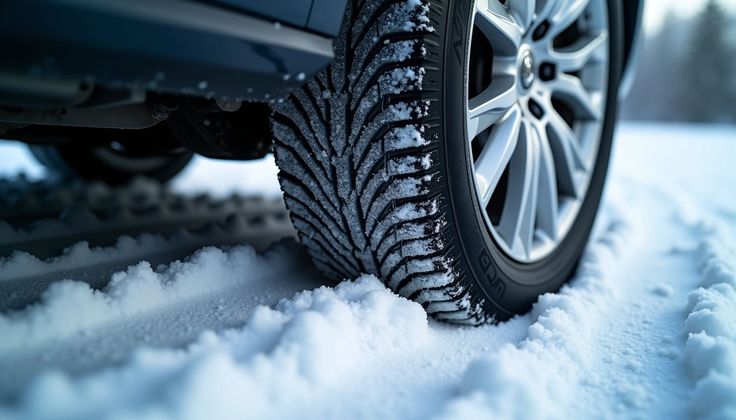
The launch of the Nexen Winter Tire Testing Center in Finland marks a major step forward in specialized automotive research and development. By investing in advanced winter performance infrastructure, Nexen Tire is strengthening its ability to design, test, and certify high-performance tires in some of the harshest driving conditions in the world.
As climate variability increases and safety regulations tighten globally, winter tire innovation has become more critical than ever. The new facility signals how automotive manufacturers are prioritizing dedicated R&D ecosystems to maintain competitiveness in extreme-weather markets.
Why Finland Is Strategically Important
Finland is widely recognized as one of the most important global hubs for winter tire testing. Its long, harsh winters provide consistent sub-zero temperatures, snow-packed roads, and icy terrain — conditions that are difficult to replicate artificially.
By situating the Nexen Winter Tire Testing Center in Finland, the company gains access to:
- Naturally occurring extreme winter conditions
- Extended cold-season testing windows
- Diverse ice and snow surface types
- Real-world road validation opportunities
These elements are essential for producing reliable data on braking performance, traction stability, cornering grip, and overall durability in winter climates.
Automakers and tire manufacturers alike depend on accurate environmental simulation, and Finland provides one of the most authentic testing grounds globally.
Strengthening In-House Testing Capabilities
The new Nexen Winter Tire Testing Center significantly expands the company’s in-house validation capabilities. Rather than relying solely on third-party facilities, Nexen can now directly manage key performance assessments.
This vertical integration brings several advantages:
- Faster product development cycles
- Immediate design iteration based on live test results
- Improved quality control
- Reduced logistical dependency
In-house testing enhances data ownership, allowing engineers to collect proprietary insights that directly inform compound development, tread design optimization, and structural reinforcement techniques.
This approach aligns with broader automotive industry trends, where manufacturers increasingly invest in specialized infrastructure to accelerate innovation timelines.
Advancing Winter Tire Technology
Winter tires are not simply standard tires with deeper grooves. They require advanced engineering across multiple dimensions:
- Specialized rubber compounds that remain flexible in freezing temperatures
- Tread patterns optimized for snow displacement
- Siping technology to improve ice grip
- Structural integrity to withstand temperature stress
The Nexen Winter Tire Testing Center enables real-time evaluation of these features under authentic winter conditions. Engineers can monitor braking distance on ice, hydroplaning resistance in slush, and stability during sudden maneuvers.
This level of testing is essential as vehicles themselves evolve. Electric vehicles (EVs), for example, present unique tire demands due to higher torque delivery and increased vehicle weight from battery packs. Winter tire development must now accommodate both traditional internal combustion vehicles and modern EV platforms.
Climate-Adaptive Automotive Innovation
The opening of the Nexen Winter Tire Testing Center also reflects a broader industry response to climate unpredictability. While some regions experience milder winters, others face increasingly severe and erratic weather patterns.
Climate-adaptive tire development has become a priority. Tires must perform consistently across temperature fluctuations, mixed precipitation conditions, and rapidly changing road surfaces.
Testing in Finland provides valuable insights into:
- Compound resilience during freeze-thaw cycles
- Tread wear in mixed snow and asphalt environments
- Performance under variable ice thickness conditions
By investing in long-term infrastructure, Nexen is positioning itself to respond quickly to evolving climate challenges.
Global Market Implications
The global winter tire market continues to grow, particularly in Northern Europe, North America, and parts of Asia. Stricter winter tire regulations in several countries require certified performance standards for snow and ice traction.
Having a dedicated Nexen Winter Tire Testing Center allows the company to meet and exceed these regulatory benchmarks efficiently.
It also strengthens brand positioning in premium safety segments. Consumers increasingly prioritize safety ratings and independent performance certifications when selecting tires.
By controlling the full testing process, Nexen can ensure consistent compliance while maintaining flexibility in design adjustments.

Automotive Safety and Materials Science
Winter tire development is deeply connected to advances in materials science. The rubber compound used in winter tires differs significantly from that used in summer or all-season models.
Researchers must balance:
- Elasticity at low temperatures
- Abrasion resistance
- Grip optimization
- Rolling resistance efficiency
The Nexen Winter Tire Testing Center provides a live laboratory where these material innovations can be stress-tested under extreme environmental exposure.
In addition, safety testing protocols evaluate not just traction but also:
- Emergency braking performance
- Stability control system interaction
- Wet-to-ice transition handling
- Load-bearing capacity
As vehicles become more technologically advanced, tire systems must integrate seamlessly with onboard safety technologies, including ABS and traction control systems.
Competitive Positioning in the Tire Industry
The global tire industry remains highly competitive, with major players investing heavily in research facilities worldwide. Establishing the Nexen Winter Tire Testing Center places the company in direct alignment with leading brands that maintain specialized winter proving grounds.
Such investments signal long-term strategic intent. Rather than treating winter tire development as a seasonal necessity, Nexen is integrating it into its core innovation roadmap.
This move may also encourage additional infrastructure expansion in other climate zones, further strengthening global testing networks.
Future Outlook
Looking ahead, the Nexen Winter Tire Testing Center could support expanded R&D initiatives beyond standard passenger vehicles. Potential future applications may include:
- Commercial fleet winter tire development
- Performance vehicle winter optimization
- Electric vehicle-specific winter tire models
- Smart tire integration with sensor-based monitoring
As automotive electrification accelerates and autonomous driving systems mature, tire innovation will play a critical role in overall vehicle safety and efficiency.
Dedicated winter research facilities will remain central to that evolution.
The inauguration of the Nexen Winter Tire Testing Center in Finland represents more than a new facility opening. It reflects a broader transformation in automotive R&D strategy, where specialized infrastructure drives faster innovation, stronger safety standards, and climate-adaptive product development.
By investing directly in one of the world’s premier winter testing environments, Nexen is reinforcing its commitment to performance excellence and long-term technological leadership in the tire industry.
As weather volatility, regulatory standards, and vehicle technologies continue to evolve, the importance of focused winter R&D capabilities will only grow — making this facility a timely and strategic milestone.
This report is part of FFRNEWS Innovation coverage focusing on automotive research and advanced manufacturing developments. External insights are based on official announcements regarding the Nexen Tire winter testing facility and broader industry trends in winter tire performance, climate-adaptive technologies, and automotive R&D expansion.