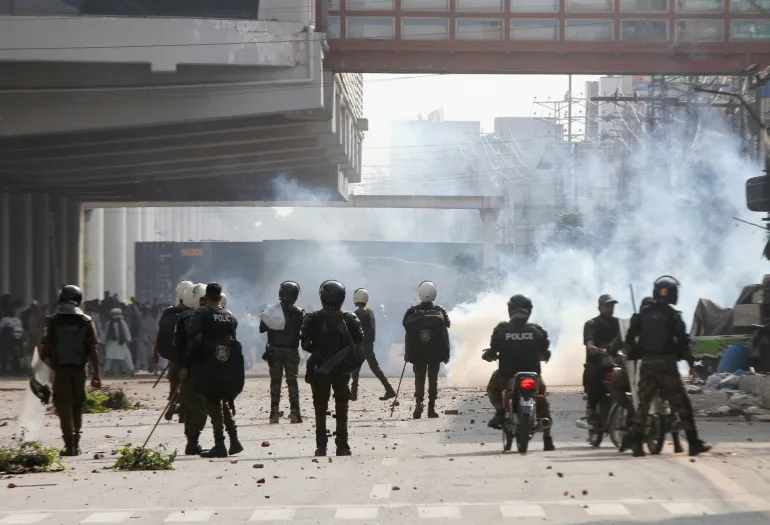
Punjab Police Extrajudicial Killings – A major human rights controversy has erupted in Pakistan after a report by the Human Rights Commission of Pakistan (HRCP) alleged that more than 900 people were killed in police “encounters” in Punjab province within just eight months. The findings have triggered renewed debate over extrajudicial killings, police reform, and the rule of law in Pakistan’s most populous province.
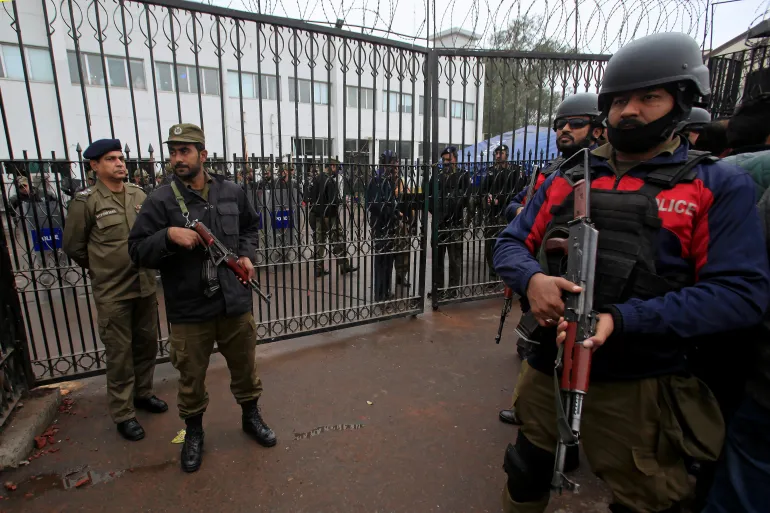
According to the HRCP’s fact-finding report, at least 924 individuals were killed between April and December 2025 in 670 recorded police encounters. The bulk of these deaths are attributed to the Punjab Crime Control Department (CCD), a specialized police unit established in April 2025 to combat organized and serious crime. The report describes the CCD as functioning like a “parallel police force” operating with limited oversight and alarming levels of lethal force.
The revelations have ignited serious concerns about due process, accountability, and the state’s responsibility to protect the right to life under Pakistan’s Constitution.
The Formation of the Crime Control Department
The CCD was created under Punjab Chief Minister Maryam Nawaz Sharif, who has championed a “Safe Punjab” vision aimed at curbing organized crime and restoring public confidence in law enforcement. The department was tasked with tackling hardened criminals, inter-district gangs, and serious offenders whom traditional policing structures were allegedly struggling to contain.
However, the HRCP report suggests that within weeks of the CCD’s formation, encounter killings began to rise sharply. The numbers documented in the eight-month period reportedly exceed the total annual encounter-related fatalities previously recorded in Punjab and Sindh combined.
In comparison, HRCP’s 2024 annual report recorded 341 suspects killed in police encounters across both provinces over an entire year. The CCD’s operations in a single province have more than doubled that figure in less time.
What Are “Police Encounters”?
In Pakistan, a “police encounter” typically refers to an armed confrontation between police and suspects. Official police narratives often describe suspects opening fire first, forcing officers to retaliate in self-defense. However, human rights groups have long alleged that many such encounters are staged, with suspects executed rather than arrested and presented before a court.
The HRCP report highlights what it calls “striking similarities” in police First Information Reports (FIRs). According to the commission, encounter accounts frequently follow an identical pattern: suspects allegedly moving suspiciously at night on motorcycles, firing first at police checkpoints, and accomplices escaping into darkness while one suspect is killed.
The report further alleges that multiple FIRs contain nearly identical language across districts, dates, and crimes — suggesting a copy-paste structure rather than unique incident documentation. In some cases, reports claim that mortally wounded suspects briefly regained consciousness to provide full identification details before dying, a pattern that rights advocates view with skepticism.
The Human Impact
At the center of the controversy are families who insist their loved ones were innocent or denied due process. One widely cited case involves a family from Bahawalpur whose five members were reportedly killed in separate encounters within 24 hours after being detained. The family alleges that police confiscated valuables and later pressured them to withdraw legal petitions.
Such testimonies have fueled public concern that encounter killings may not solely target hardened criminals but could also affect individuals with limited or unproven criminal records.
The HRCP says families often reported being told to bury their dead quickly, limiting the possibility of independent postmortem examinations. The organization also stated that it received no substantive cooperation from Punjab police when requesting encounter procedures and related documentation.
Government and Police Response
The CCD has defended its operations, asserting that it follows an intelligence-driven policing model that has successfully dismantled organized criminal networks. According to court filings cited in the HRCP report, police claim property crimes dropped by over 60 percent during a seven-month comparison period, with dacoity-related murders reportedly declining by similar margins.
Authorities argue that their approach has significantly improved public safety and reduced gang-related violence. They also dispute the HRCP’s characterization of the encounters as extrajudicial killings, maintaining that officers acted in lawful self-defense during armed confrontations.
However, critics argue that even if crime rates have decreased, the methods used remain central to the debate. The question, they say, is whether crime control can justify bypassing judicial processes.
Legal and Structural Concerns
Legal experts and rights advocates warn that normalizing encounter killings risks undermining Pakistan’s justice system. They argue that allowing law enforcement to act as judge, jury, and executioner weakens institutional accountability and erodes public trust.
Observers point to systemic challenges within Pakistan’s criminal justice framework, including case backlogs, investigative weaknesses, and corruption. A former senior Punjab police official reportedly attributed the rise in encounter killings to political pressure to demonstrate quick results and frustration with slow court proceedings.
This dynamic, critics argue, creates incentives for shortcuts. Instead of investing in forensic capacity, witness protection, and prosecutorial reform, authorities may rely on lethal force as a rapid, visible response to crime.
A Decade of Encounter Killings
The HRCP reports nearly 5,000 encounter cases nationwide over the past decade, with around 2,000 occurring in Punjab alone. While encounter killings have long been part of Pakistan’s law enforcement landscape, 2024 marked a dramatic spike, with over 1,000 recorded incidents in Punjab.
The 2025 figures — though involving fewer recorded encounters overall — reflect significantly higher fatality rates per encounter, intensifying concerns about excessive force.
Human rights advocates argue that extrajudicial killings often begin as measures targeting alleged criminals but can gradually expand to silence dissent or marginalize vulnerable groups. They warn that once such practices become normalized, reversing them becomes difficult.
The Broader Implications
The controversy surrounding Punjab police extrajudicial killings in 2026 is not merely about numbers. It touches on fundamental questions about governance, accountability, and the rule of law.
Can a state claim success in reducing crime if it bypasses courts and due process? Does public safety justify lethal shortcuts? And what safeguards exist to prevent misuse of power?
The HRCP insists that crime control must align with constitutional protections and international human rights standards. It argues that sustainable security requires strengthening investigative capacity, judicial efficiency, and community-based policing rather than relying on fatal encounters.
As the debate intensifies, the issue may shape political discourse in Punjab and beyond. Whether through judicial review, independent oversight, or legislative reform, pressure is mounting for greater transparency around police operations.
The Punjab police extrajudicial killings controversy underscores a critical crossroads for Pakistan’s justice system: between rapid enforcement and constitutional safeguards, between immediate control and long-term rule of law.
For more coverage on human rights developments, policing reforms, and governance debates in Pakistan, explore our South Asia Affairs and Human Rights Watch sections for ongoing analysis and expert commentary.
External reporting and primary details on this issue are based on coverage by Al Jazeera English, along with findings published by the Human Rights Commission of Pakistan (HRCP). Additional legal and policy context can be followed through national court proceedings and statements from Punjab provincial authorities.