
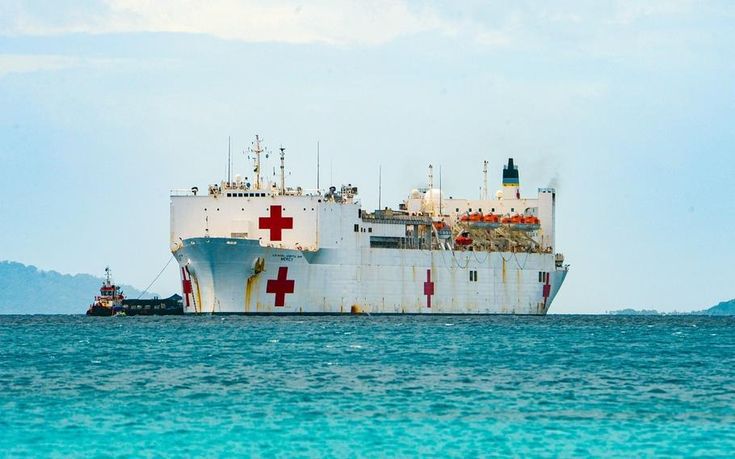
Greenland hospital ship mission is trending globally after U.S. President Donald Trump announced plans to send a medical support vessel to Greenland, citing concerns about healthcare needs on the Arctic island. The announcement, made via social media on 21 February 2026, has sparked widespread debate about the motives, logistical details and diplomatic implications of sending such aid to the Danish autonomous territory.
Trump’s surprise declaration — shared just before hosting Republican governors at a White House dinner — indicated the hospital ship would assist “many people who are sick” in Greenland, though neither the White House nor Louisiana Governor Jeff Landry’s office provided specifics on which ship would be deployed or whether the Danish government had requested the mission.
Trump’s Statement and Reaction
In his announcement, Trump said he was “working with the fantastic Governor of Louisiana, Jeff Landry” to send the hospital ship to Greenland at an unspecified future date. While the exact vessel — either the USNS Comfort or USNS Mercy — has not been confirmed, both are the U.S. Navy’s major hospital ships designed for humanitarian assistance and disaster response worldwide.
The timing of the message raised eyebrows among foreign policy analysts and Arctic affairs specialists, as Greenland already has universal healthcare services provided locally and through Denmark, its sovereign partner. Critics argue that such a gesture may be more political than humanitarian, especially given Greenland’s recent prominence in international headlines due to U.S. interest and strategic considerations in the Arctic.
Diplomatic Context: Greenland, Denmark and the U.S.
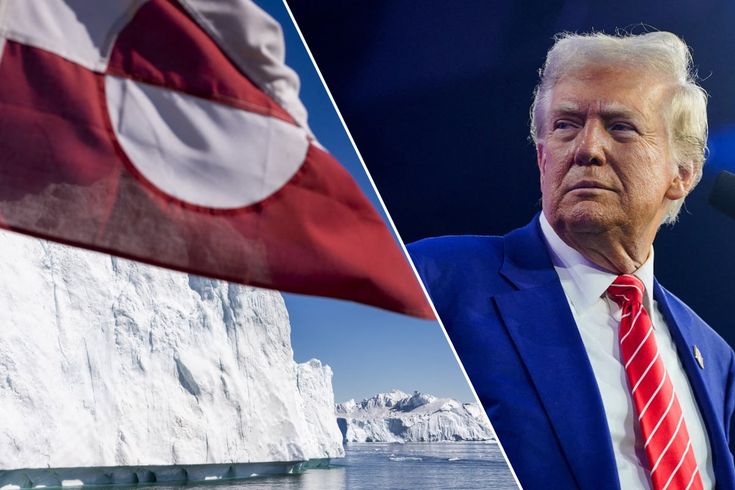
Greenland, an autonomous territory within the Kingdom of Denmark, has been central to geopolitical conversations, particularly regarding Arctic strategy and security. In previous months, tensions rose when Trump floated renewed interest in acquiring control of Greenland — a proposal firmly rejected by Copenhagen and Nuuk. European and Danish officials have insisted that Greenland’s sovereignty is a “red line” that cannot be compromised.
This backdrop makes the hospital ship mission announcement especially sensitive. Local leaders in Greenland have historically expressed that foreign aid or cooperation is welcome when requested, but unsolicited gestures — especially those framed by leaders with prior territorial ambitions — can be perceived as intrusive or politically motivated.
Local and International Response
Reactions from Greenlandic officials, Danish diplomats and Arctic policy observers have been mixed. Some government figures in Nuuk welcomed the idea of expanded healthcare resources, particularly in remote areas where medical access can be limited by harsh weather and sparse infrastructure. However, others questioned the necessity of a U.S. hospital ship given existing healthcare provisions and saw the announcement as potentially more about U.S. geopolitical signaling than fulfilling real medical needs.
Danish leaders have historically stressed cooperation and dialogue with Arctic partners, emphasizing that any substantial foreign presence or aid should be agreed upon jointly. Recent visits by Denmark’s King Frederik X to Greenland — aimed at reinforcing unity amid rising tensions over Trump’s previous statements — highlight Denmark’s continued commitment to maintaining sovereignty and partnership with the territory’s people.
International observers noted that U.S. actions in the Arctic are increasingly viewed through the lens of strategic competition, particularly as climate change opens new maritime routes and resource access in the region. Sweden recently deployed Gripen fighter jets to patrol Greenland’s airspace as part of NATO’s Arctic sentry mission, underscoring the broader security context in which the hospital ship announcement occurred.
Social Media and Public Debate
On social media platforms like Twitter, the Greenland hospital ship mission news sparked lively discussion and memes — much of it rooted in Greenland’s contemporary geopolitical profile. Earlier online trends included viral posts featuring humorous AI-generated images tied to Greenland’s icy landscapes and cryptic captions, reflecting how political messaging has merged with internet culture in this story.
Some users echoed sentiments from the landmark “Hands off Greenland” protests held in Greenland and Denmark in January 2026, when thousands marched to oppose perceived U.S. attempts to exert influence over the island. Slogans like “Greenland is not for sale” became symbols of local identity and resistance to external pressure.
Strategic Importance of Greenland
Greenland’s significance extends far beyond health and symbolic headlines. The Arctic region is becoming increasingly important militarily and economically as climate change accelerates ice melt and opens new shipping lanes and natural resource access. Scientists have also been studying unique internal ice sheet dynamics — including newly discovered thermal convection patterns — to better predict the island’s contribution to global sea level rise.
For these reasons, many nations — including the U.S., NATO allies and Russia — monitor developments in Greenland closely, often linking humanitarian, defense, and economic narratives together. Debates over foreign involvement, sovereignty and local governance continue to shape Greenland’s role on the world stage.
What’s Next
As the promised Greenland hospital ship mission moves from announcement to possible execution, much remains uncertain. Observers will be watching for official permission and coordination with Danish and Greenlandic authorities, logistical details on which ship will be deployed and the specific medical needs it aims to address.
The coming weeks may also see renewed diplomatic exchanges, potentially involving NATO, Denmark’s government and U.S. officials to clarify the purpose, scope and ramifications of the mission. Given Greenland’s strategic importance and its autonomous status, any multinational engagement will be carefully scrutinized by local residents, Arctic policy experts and international partners alike.
This report is part of FFRNews Global Affairs coverage, monitoring major geopolitical developments and trending global news events. Key reporting for this article comes from Reuters and The Wall Street Journal, with broader context on Arctic strategic issues.