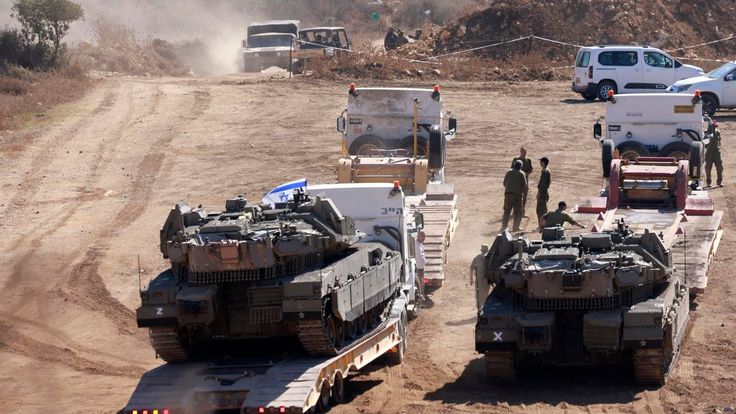
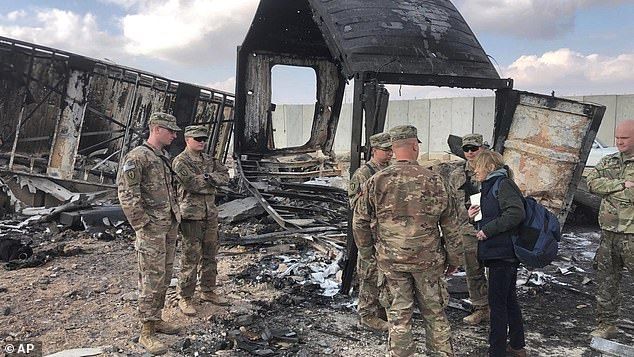
The Global Conflict Crisis 2026 is unfolding as one of the most complex and dangerous geopolitical periods in recent history. Multiple wars and regional tensions are happening at the same time, creating a ripple effect across global economies, security systems, and diplomatic relations.
From the Middle East to Eastern Europe and South Asia, these conflicts are no longer isolated. Instead, they are increasingly interconnected, raising fears of a prolonged global instability.
Recent developments show that conflicts involving Iran, the United States, Israel, Pakistan, Afghanistan, and Russia are influencing each other in unexpected ways.
Iran-US-Israel War at the Center of Global Conflict Crisis 2026
The most critical flashpoint in the Global Conflict Crisis 2026 is the ongoing war involving Iran, the United States, and Israel.
The conflict began in February 2026 when the US and Israel launched coordinated strikes on Iranian military and nuclear facilities. In response, Iran carried out missile and drone attacks targeting Israel, US bases, and allied countries across the region.
The war has already caused significant casualties and destruction, with thousands reported dead and widespread damage across cities.
Despite claims from Donald Trump that the war may be nearing completion, fighting continues, and tensions remain high.
Peace efforts are also uncertain. Iran has signaled that it will only consider ending the war under strict conditions, while the US has attempted to push diplomatic proposals through intermediaries.
Economic Impact of the Global Conflict Crisis 2026
The Global Conflict Crisis 2026 is not just about war—it is also creating severe economic consequences worldwide.
One of the biggest effects has been disruption in global oil supply, especially due to tensions in the Middle East. This has triggered fuel shortages in several Asian countries, including Pakistan, India, and Bangladesh.
Reports indicate panic buying, rising fuel prices, and even violence linked to shortages in some regions.
Experts warn that if the conflict continues, inflation, food insecurity, and economic instability could worsen, particularly in developing countries.
Pakistan-Afghanistan Tensions Escalate
Another major part of the Global Conflict Crisis 2026 is the rising tension between Pakistan and Afghanistan.
The two neighboring countries have experienced increasing border clashes and security concerns. Pakistan has accused Afghan authorities of allowing militant groups to operate from their territory, while Afghanistan has denied these claims.
Recently, both countries have entered diplomatic talks in China to try to reduce tensions and reach a ceasefire agreement.
The situation remains fragile, with previous airstrikes, cross-border attacks, and civilian casualties adding to the mistrust between both sides.
These tensions highlight how regional conflicts can quickly escalate and become part of a larger global crisis.
Russia-Ukraine War Still Reshaping Global Conflict Crisis 2026
While newer conflicts dominate headlines, the war between Russia and Ukraine continues to play a major role in the Global Conflict Crisis 2026.
Now entering another year, the war has drained military resources, impacted global food supply chains, and reshaped alliances.
Recent analysis suggests that the Iran war and Ukraine war are becoming interconnected. Russia has reportedly supported Iran with intelligence, while benefiting economically from rising oil prices caused by Middle East instability.
At the same time, Ukraine has been providing military expertise to counter Iranian drone attacks, showing how conflicts are overlapping and influencing each other globally.
This interconnected nature of wars is one of the most dangerous aspects of the current global situation.
Global Alliances and Power Shifts
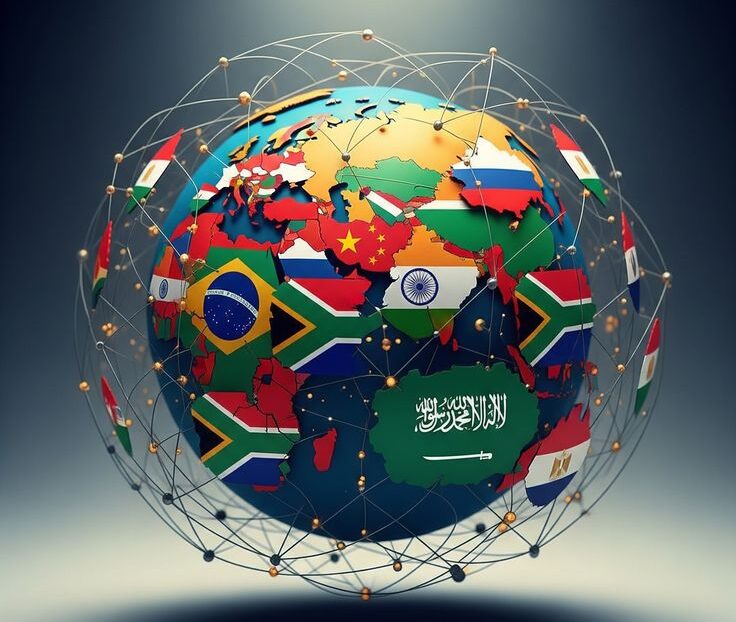
The Global Conflict Crisis 2026 is also reshaping international alliances.
Countries like Pakistan are emerging as key diplomatic players, attempting to mediate between major powers. Meanwhile, China is increasingly involved in facilitating talks, especially in South Asia.
At the same time, traditional alliances are being tested. Differences in strategy between the US and Israel regarding Iran highlight how even close allies can have diverging goals.
These shifts could redefine global power structures in the coming years.
Is the World Heading Toward a Larger Conflict?
With multiple wars happening simultaneously, concerns about a broader global conflict are growing.
Experts warn that overlapping crises increase the risk of escalation, especially when major powers are indirectly involved in multiple regions.
The combination of military conflict, economic instability, and political tensions makes the Global Conflict Crisis 2026 one of the most unpredictable periods in modern history.
While diplomacy continues behind the scenes, the situation remains highly volatile, and the possibility of further escalation cannot be ruled out.
A Critical Moment for Global Stability
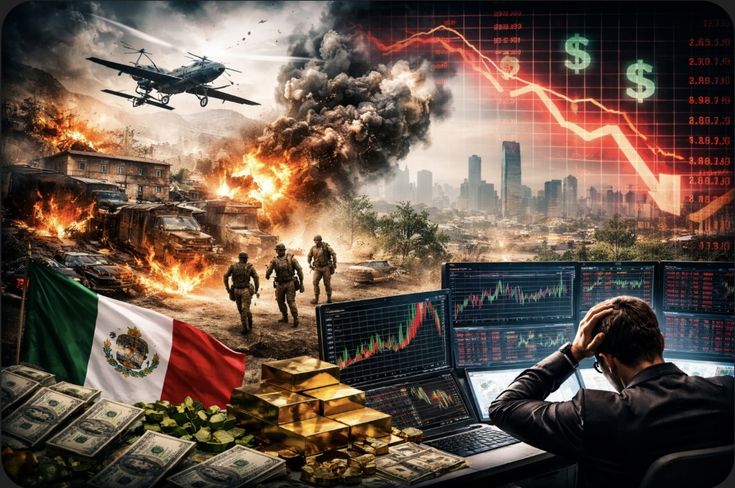
The Global Conflict Crisis 2026 represents a turning point for the world. From the Iran-US-Israel war to Pakistan-Afghanistan tensions and the ongoing Russia-Ukraine conflict, the global landscape is shifting rapidly.
What makes this moment particularly dangerous is how interconnected these conflicts have become. Actions in one region are now directly affecting others, creating a chain reaction of instability.
The coming months will be crucial. Whether through diplomacy or continued conflict, the decisions made now will shape the future of global peace and security.
For more global updates, visit the FFRNEWS world news section. This article is based on verified reporting from Reuters, Al Jazeera, The Guardian, and global conflict trackers analyzing Iran war developments, Pakistan-Afghanistan talks, and the Russia-Ukraine situation.