
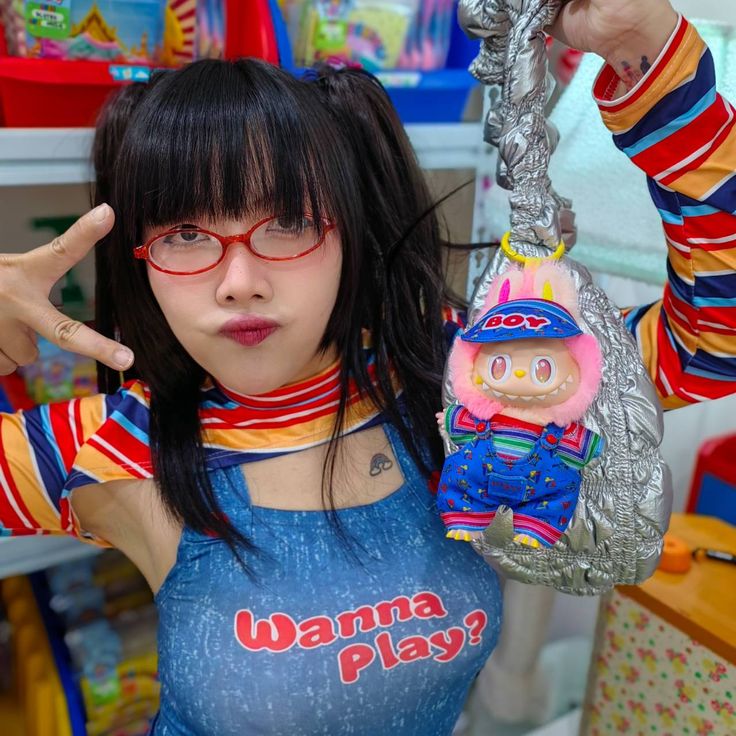
The Labubu Luxury Trend has captured the imagination of luxury buyers worldwide. Once known only as a quirky $27 collectible toy, Labubu has now emerged as a cultural icon and status symbol, often seen paired with Louis Vuitton, Hermès, and other top-tier fashion houses.
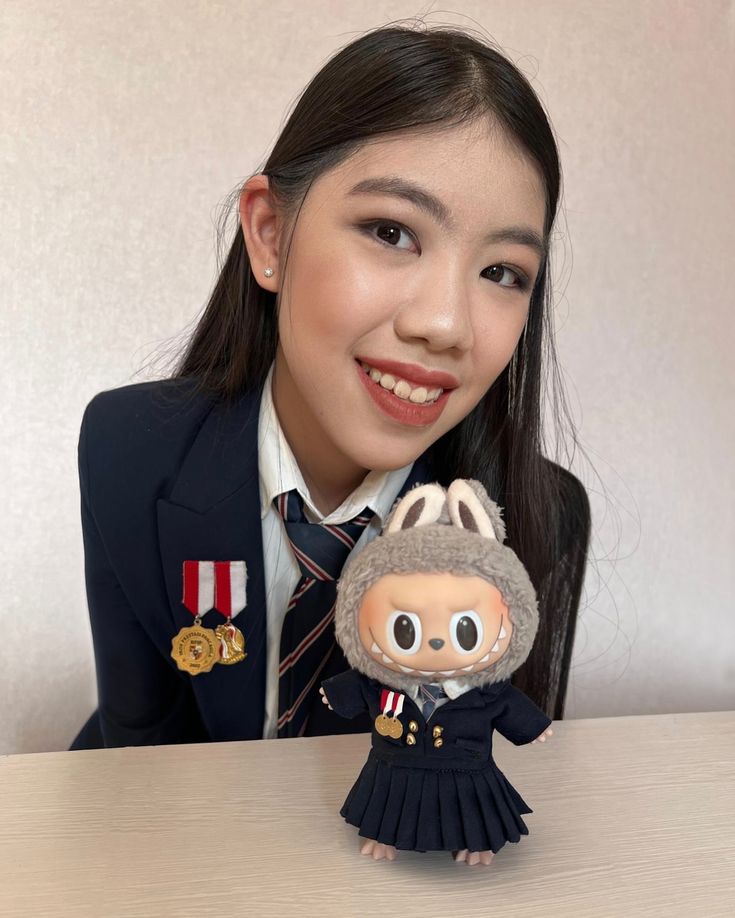
Labubu’s jagged-toothed, rabbit-like design may not fit the traditional mold of beauty, but that’s precisely why it resonates with a new generation of luxury shoppers who crave authenticity, playfulness, and emotional connection in their purchases. For luxury brands, this trend represents a radical shift—blending heritage craftsmanship with the power of “ugly-cute” characters to reach Gen Z and younger millennial consumers.
From Blind Boxes to Luxury Auctions
The rise of the Labubu Luxury Trend can be traced back to the toy’s humble origins as a blind-box collectible. Priced at around $27, Labubu quickly grew into a must-have accessory, often reselling for premiums online. But what began as an affordable status symbol soon entered the world of high fashion.
In June 2025, a collection of 14 customized Labubu dolls dressed in designs by Carhartt and Japanese label Sacai fetched an astonishing $337,500 at auction. The top lot sold for $31,250, highlighting how much collectors and fashion enthusiasts were willing to pay.
At the US Open later that summer, tennis champion Naomi Osaka showcased the craze by carrying crystal-encrusted Labubus designed by A-Morir, priced at $500 each. Dubbed “Lablingblings,” these bedazzled creations had waiting times of up to six weeks due to overwhelming demand. Clearly, the Labubu Luxury Trend had transcended toys and entered high fashion’s inner circle.
Moynat’s Leap into Labubu Luxury
French luxury maison Moynat, founded in 1849, is the latest heritage brand to embrace the Labubu phenomenon. Its collaboration with artist Kasing Lung, the Hong Kong-Dutch creator of Labubu, is set to launch in October 2025.
The limited-edition collection includes handbags, leather goods, and signature bag charms featuring Labubu alongside Lung’s other characters. Prices start at $2,150 for monogrammed canvas totes and $450 for bag charms. The capsule will roll out one boutique at a time, making availability scarce and heightening exclusivity—a hallmark of luxury branding.
For Bertrand Le Gall, Moynat’s image and communication director, this partnership balances cultural relevance with the maison’s 176-year legacy. “We are playing on emotional value,” he explained. “This emotional value is so important when it comes to a house like ours with a very long background.” The Labubu Luxury Trend gives even historic brands like Moynat the opportunity to remain fresh and connected to a younger audience.
The Strategic Power of Cute
Luxury industry experts agree that “cute” is more than just a passing fad—it’s a deliberate strategy. Collaborations featuring characters like Pikachu, Totoro, and Snoopy have long proven successful. Tiffany’s Pokémon pendants, Loewe’s Studio Ghibli-inspired purses, and Omega’s “Silver Snoopy” watches are all examples of how brands harness character-driven nostalgia to expand their appeal.
“Cute is not trivial. It is strategic,” said Jeff Lindquist, a partner at Boston Consulting Group. “It performs incredibly well on platforms like TikTok where virality and cultural relevance drive visibility and desirability.”
The Labubu Luxury Trend exemplifies this perfectly: a blend of nostalgia, novelty, and storytelling that resonates with Gen Z consumers in ways traditional luxury products sometimes cannot.
Gen Z and the Emotional Value of Luxury
Today’s Gen Z buyers see luxury differently. Instead of focusing solely on craftsmanship, exclusivity, or status, they value items that mirror their identities, beliefs, and cultural touchpoints. The Labubu Luxury Trend caters directly to this shift.
By blending the playful with the prestigious, luxury houses capture both emotional and financial loyalty. The collaborations also create highly shareable moments on TikTok and Instagram, where much of Gen Z’s fashion discovery occurs. Owning a Labubu-infused item is not just about consumption—it’s about belonging to a story and community.
The Hype and the Hunt
Part of the Labubu Luxury Trend’s power lies in the thrill of the hunt. Limited releases, boutique exclusivity, and scarcity-driven drops mimic the excitement of Labubu blind boxes. For consumers, this transforms shopping into a game, where securing an item feels like an accomplishment.
“Everyone who has a Labubu can tell a personal story about how they got them,” luxury strategist Daniel Langer explained. He compared characters like Labubu to celebrities, noting that they come with built-in fan bases and emotional resonance. The sense of adventure attached to collecting makes the items even more desirable.
Risks of Trend Chasing
Despite its momentum, the Labubu Luxury Trend is not without risks. Pop Mart, the manufacturer of Labubu dolls, has seen its stock decline by over 20% since August 2025 as analysts fear the craze could fade. Some experts warn that luxury houses chasing fleeting trends risk alienating their core audiences.
For instance, while Loewe’s collaborations with Studio Ghibli were widely celebrated, more traditional luxury houses might struggle if they attempted similar crossovers. As NYU professor Thomai Serdari noted, not every brand can pull off “cute” without damaging its identity.
A Deeper Reflection of Cultural Mood
Ultimately, the success of the Labubu Luxury Trend says as much about consumers as it does about brands. In a world filled with economic uncertainty, rising inflation, and social tension, buyers are gravitating toward whimsical, wholesome symbols of joy.
Alexander Thiel, a retail consultant, described the trend as a reflection of people seeking “innocent distractions from anxiety.” The embrace of cute characters by luxury fashion houses is not random—it speaks to a broader human desire for optimism, connection, and lightheartedness in difficult times.
Will the Labubu Luxury Trend Last?
Whether Labubu has true staying power remains to be seen. Fads can collapse as quickly as they rise, and the luxury industry is littered with short-lived crazes. However, even if Labubu’s popularity fades, the Labubu Luxury Trend has already left its mark by proving that character collaborations can be both profitable and culturally significant.
For now, Labubu sits at the intersection of pop culture and luxury—a jagged-toothed mascot redefining what it means to be fashionable in 2025.
Source: CNBC