
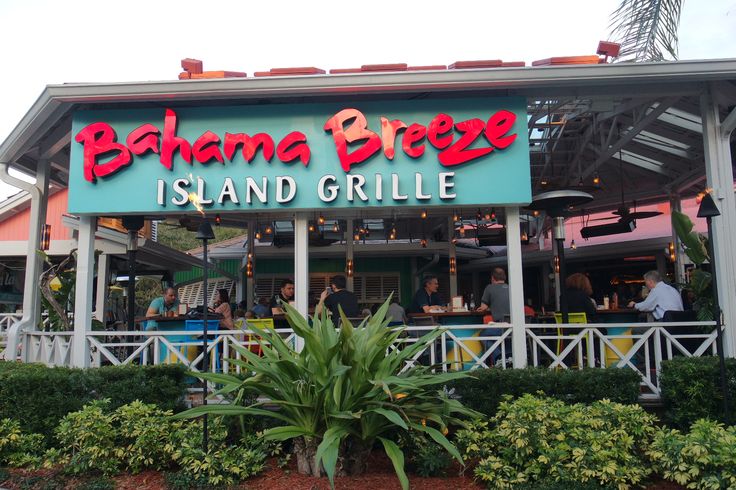
Bahama Breeze Closure – Bahama Breeze, the Caribbean-themed dining chain, has announced that it will shut down all of its remaining locations across the United States. The parent company, Darden Restaurants, has cited corporate restructuring and a need to optimize its portfolio as the primary reasons for the decision. This closure marks the end of an era for a chain known for its tropical décor, vibrant menu, and casual dining experience.
Overview of the Closure
Bahama Breeze has been a recognizable name in the casual dining sector for years, attracting customers with its Caribbean-inspired dishes, including seafood specialties, tropical cocktails, and festive atmospheres. However, despite its popularity, the chain has faced declining foot traffic over recent years. The competitive landscape of the U.S. restaurant industry, combined with rising operational costs, has led the parent company to make a strategic decision to focus on more profitable brands within its portfolio.
The closures are expected to impact hundreds of employees nationwide. Some staff may be reassigned to other Darden properties, while others could face layoffs. The company has pledged to support affected employees during the transition, but the full implications of the closure are still unfolding.
Industry Implications
The Bahama Breeze shutdown is indicative of broader trends affecting the restaurant and hospitality sector. Industry experts point to several factors that have contributed to the closure:
- Changing Consumer Behavior: There has been a significant shift toward fast-casual dining, online ordering, and delivery services. Traditional sit-down restaurants have struggled to compete with the convenience of these models.
- Economic Pressures: Rising labor costs, inflation, and supply chain challenges have increased the operating costs for restaurant chains. Many casual dining establishments are reevaluating their locations and profitability.
- Portfolio Optimization: Large restaurant groups, such as Darden Restaurants, are reassessing their brand strategies to allocate resources toward the most profitable and scalable operations. The closure of underperforming brands allows them to invest in innovation and digital offerings.
Analysts note that Bahama Breeze’s closure could serve as a signal for other mid-sized casual dining chains to evaluate their operations. The restaurant industry is undergoing a transformative period, where companies must adapt quickly to survive in a highly competitive and changing market.
Corporate Background
Bahama Breeze is part of Darden Restaurants, which also owns other well-known chains such as Olive Garden and LongHorn Steakhouse. The company has focused on growing its flagship brands while also exploring ways to modernize its operations, including the integration of digital ordering, delivery platforms, and loyalty programs.
The decision to close Bahama Breeze aligns with Darden’s larger strategy to concentrate on high-performing brands that show consistent profitability. While the chain has cultivated a loyal customer base, it has not delivered the same revenue growth as other Darden properties.
Customer and Community Impact
The closure of Bahama Breeze locations will affect not only employees but also loyal customers who have frequented the restaurants for years. The Caribbean-inspired atmosphere and unique menu offerings made the chain a favorite for families, celebrations, and casual dining experiences. Local communities will feel the absence of these locations, as many of them served as gathering points for social events and local dining culture.
The Future of Casual Dining
The Bahama Breeze closure highlights the challenges faced by the casual dining segment in the United States. Analysts suggest that restaurants will need to adopt innovative approaches to survive, such as:
- Strengthening online presence and delivery options
- Offering seasonal or limited-time menus to attract repeat visits
- Enhancing customer engagement through loyalty programs and experiences
- Streamlining operational efficiency to manage costs
As consumer expectations continue to evolve, restaurants must adapt to new trends while maintaining the essence of their brand. Bahama Breeze’s closure serves as a cautionary tale for the broader industry, emphasizing the need for agility and strategic planning.
The closure of Bahama Breeze marks a significant shift in the U.S. hospitality and restaurant industry. While it reflects the challenges of operating a mid-sized casual dining chain in a competitive market, it also illustrates the strategic focus of Darden Restaurants on its most profitable brands. For employees, customers, and the wider business community, this closure is a moment of reflection on the changing dynamics of dining preferences and corporate strategy.
Restaurants must continue to innovate, adapt to economic pressures, and respond to shifting consumer behavior to remain relevant in an increasingly competitive environment.

Read more about Business in the FFRNEWS Business Section and follow continuing updates from Bloomberg and Yahoo Finance for global reporting on restaurant industry trends.