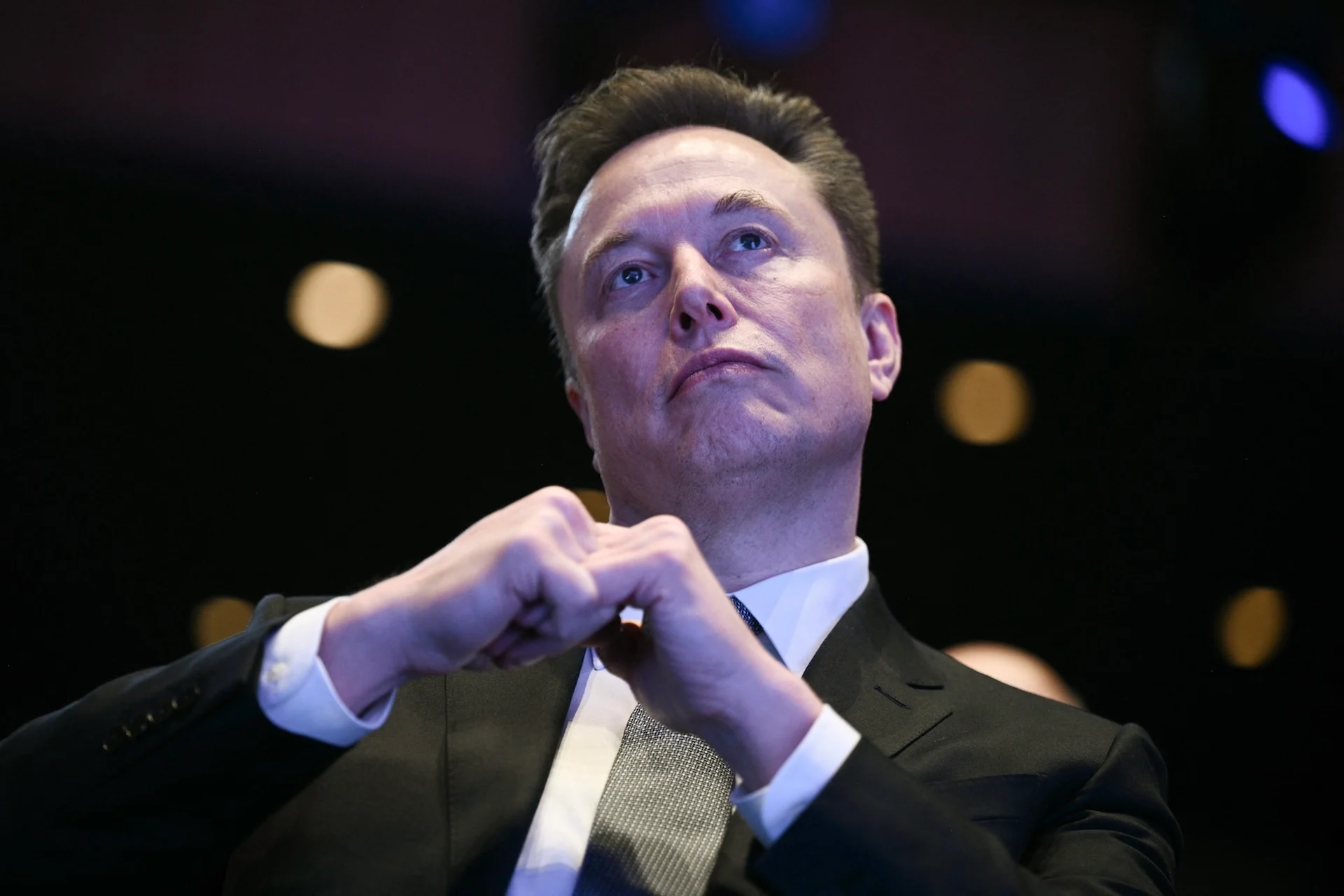
Elon Musk Anthropic AI criticism is making major headlines after Elon Musk publicly labeled AI systems developed by Anthropic as “misanthropic and evil.” The strong language used in his social media post has intensified an already heated global debate about artificial intelligence bias, neutrality, and safety standards.
The controversy comes at a pivotal moment for the AI industry. Governments are drafting regulatory frameworks. Investors are pouring billions into generative AI. Businesses are integrating AI tools into daily operations. Against this backdrop, Elon Musk Anthropic AI criticism has amplified concerns about whether advanced AI systems can truly remain neutral and aligned with public interest.
Why Elon Musk Anthropic AI Criticism Matters Now
Elon Musk Anthropic AI criticism is significant because Musk is not just a commentator — he is one of the most influential technology leaders in the world. His opinions shape markets, policy discussions, and public perception.
By describing Anthropic’s AI models as “misanthropic and evil,” Musk implied that the systems may produce outputs that are ideologically biased or harmful. Although he did not release technical evidence alongside his claim, the accusation itself triggered widespread discussion among technologists, policymakers, and AI researchers.
This criticism also reflects Musk’s long-standing warnings about AI development. He has repeatedly called for strong regulatory oversight and emphasized the dangers of unchecked artificial intelligence advancement.
H3: Elon Musk Anthropic AI Criticism and the Bias Allegations
Elon Musk Anthropic AI criticism centers on alleged bias within large language models. Bias in AI can arise from several sources:
- Training data that reflects societal inequalities
- Human reviewers influencing reinforcement learning
- Content moderation guardrails
- Model fine-tuning based on company principles
Anthropic has publicly emphasized its focus on AI alignment and safety. The company uses structured frameworks to guide how its models respond to sensitive topics. However, what one group considers “responsible guardrails,” another may interpret as ideological filtering.
This difference in perception lies at the heart of Elon Musk Anthropic AI criticism.
Anthropic’s AI Alignment Philosophy
Anthropic has built its brand around responsible AI development. The company promotes a “constitutional AI” approach, where models are trained to follow structured guiding principles intended to reduce harmful outputs.
Supporters argue that this method increases reliability and prevents misinformation. Critics argue that strong alignment frameworks may inadvertently introduce value-based filtering.
Elon Musk Anthropic AI criticism directly challenges whether these frameworks achieve neutrality or create unintended bias.
The Larger AI Industry Debate
The Elon Musk Anthropic AI criticism is not occurring in isolation. Across the industry, AI companies face similar scrutiny:
- Are AI systems politically neutral?
- Should AI avoid controversial topics entirely?
- How transparent should training processes be?
- Who defines “harmful” content?
As generative AI becomes integrated into education, media, healthcare, and finance, the stakes of these questions continue to rise.
Investors are also watching closely. Public disputes among AI leaders can influence market confidence, startup valuations, and regulatory timelines.
Regulatory Implications
Elon Musk Anthropic AI criticism may accelerate regulatory conversations. Lawmakers worldwide are already working on AI accountability standards. Public controversies increase pressure for:
- Greater transparency in AI training data
- Clear reporting of alignment methodologies
- Independent auditing of AI models
- Defined liability standards for AI-generated harm
If high-profile leaders continue publicly questioning competitor models, regulators may respond with stricter oversight frameworks.
Market and Competitive Impact
The AI sector is intensely competitive. Public criticism between major players can shape brand perception and influence enterprise adoption decisions.
For enterprise clients evaluating AI providers, Elon Musk Anthropic AI criticism raises practical concerns:
- How aligned are these models with business values?
- Could bias affect customer-facing outputs?
- How transparent is the development process?
These concerns may impact procurement decisions and future partnerships.
Public Reaction and Industry Response
Online reaction to Elon Musk Anthropic AI criticism has been divided. Some users praise Musk for challenging potential bias. Others argue that labeling a competitor’s AI system as “evil” oversimplifies complex alignment issues.
Industry experts note that bias detection in AI is extremely difficult. Measuring neutrality depends on context, prompt design, cultural background, and evaluation criteria.
Anthropic has not publicly escalated the exchange but continues emphasizing its commitment to safe and reliable AI systems.
The Future of AI Trust
Ultimately, Elon Musk Anthropic AI criticism underscores a broader issue: trust.
Artificial intelligence is increasingly embedded in decision-making systems that influence hiring, content moderation, finance, and public discourse. Trust in these systems depends on transparency, accountability, and balanced oversight.
As competition intensifies, public disputes among tech leaders may become more common. However, they also bring critical issues into public view — forcing deeper conversations about how AI should be built and governed.
Elon Musk Anthropic AI criticism highlights the fragile balance between innovation and responsibility in the AI sector. While Musk’s language was controversial, it has reignited necessary debates about bias, neutrality, and alignment in advanced AI systems.
Whether this controversy leads to regulatory reform, industry transparency improvements, or further polarization remains to be seen. What is clear is that AI governance is no longer a niche technical issue — it is a central global business and policy challenge.
This report is part of FFRNEWS Business coverage analyzing major platform developments and release trends. For more Business updates, visit FFRNEWS Business section.